

In my coaching practice, I constantly hear clients say, “Sofia, I’m mentally exhausted, but my body hasn’t moved all day.” It is an eerie paradox of modern life: we finish a nine-hour shift parked at a computer feeling utterly drained, yet physically under-stimulated. While pursuing my Master’s in Health Promotion, I spent years studying epidemiological trends, and what always stood out wasn’t just how sitting weakens posture or strains our cardiovascular system, but how rapidly it dulls the mind.
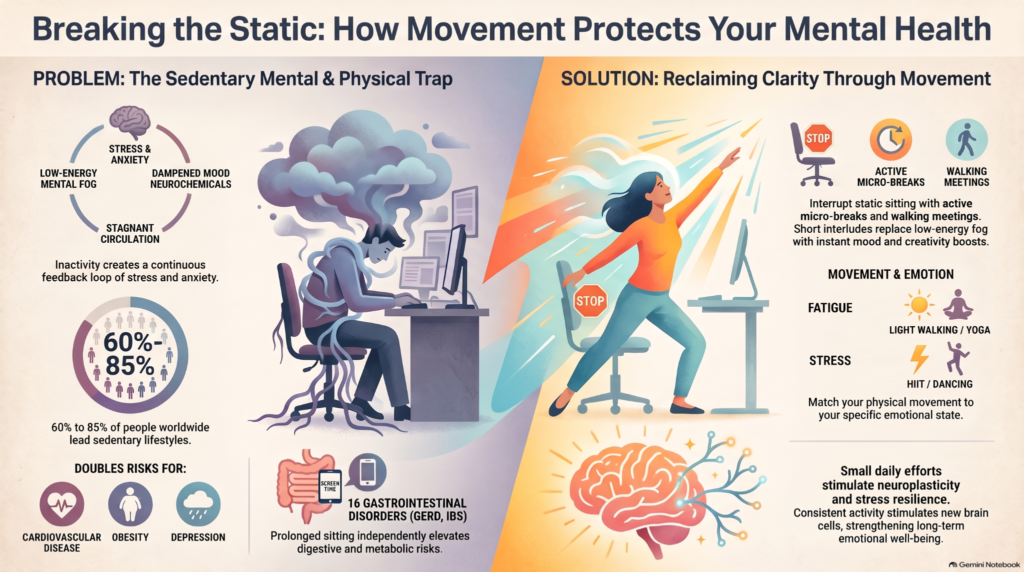
Inactivity isn’t merely neutral rest; prolonged sedentary time actively traps us in a low-energy fog that invites anxiety and depressive ruts. When you are stationary behind a screen, your brain interprets the lack of stimulation and stagnant circulation as lethargy, dampening mood-regulating neurochemicals and heightening baseline stress. I see so many high-achieving professionals blame themselves for a lack of willpower or emotional burnout, without realizing their daily setup is starving their nervous system of essential physical input.
When we look at large-scale health data, the message is clear: your mind cannot thrive while remaining static. Recognizing how sedentary patterns quietly chip away at your emotional bandwidth is the very first step toward breaking that exhausting cycle and reclaiming your daily vitality.
Epidemiological studies highlight the stark connection between a sedentary lifestyle and increased anxiety and depression. Prolonged inactivity diminishes overall well-being and can create a detrimental feedback loop, amplifying mental distress. Conversely, regular exercise releases mood-boosting endorphins and enhances cognitive functions, demonstrating its importance for mental health resilience. By understanding these dynamics, you can actively counteract the effects of inactivity. Discovering effective strategies for incorporating movement into your routine might further elevate your mental wellness.
KEY TAKEAWAYS
- Sedentary lifestyles are linked to increased risks of obesity, cardiovascular disease, anxiety, and depression, emphasizing the need for regular exercise.
- Epidemiological studies show that prolonged inactivity contributes to negative mental health outcomes, creating a feedback loop of anxiety and depression.
- Regular physical activity can improve mood, cognitive function, and resilience against stress, highlighting its importance for mental wellness.
- Incorporating movement throughout the day—like active breaks or walking meetings—can enhance productivity and mental clarity.
- Understanding the risks of a sedentary lifestyle motivates individuals to prioritize exercise, fostering a healthier mindset and improved overall well-being.
WHAT IS A SEDENTARY LIFESTYLE?
An inactive lifestyle means long hours sitting or lying down with little physical activity outside of your sleeping schedule. Sedentary hours also don’t need to be consecutive to impact your health.
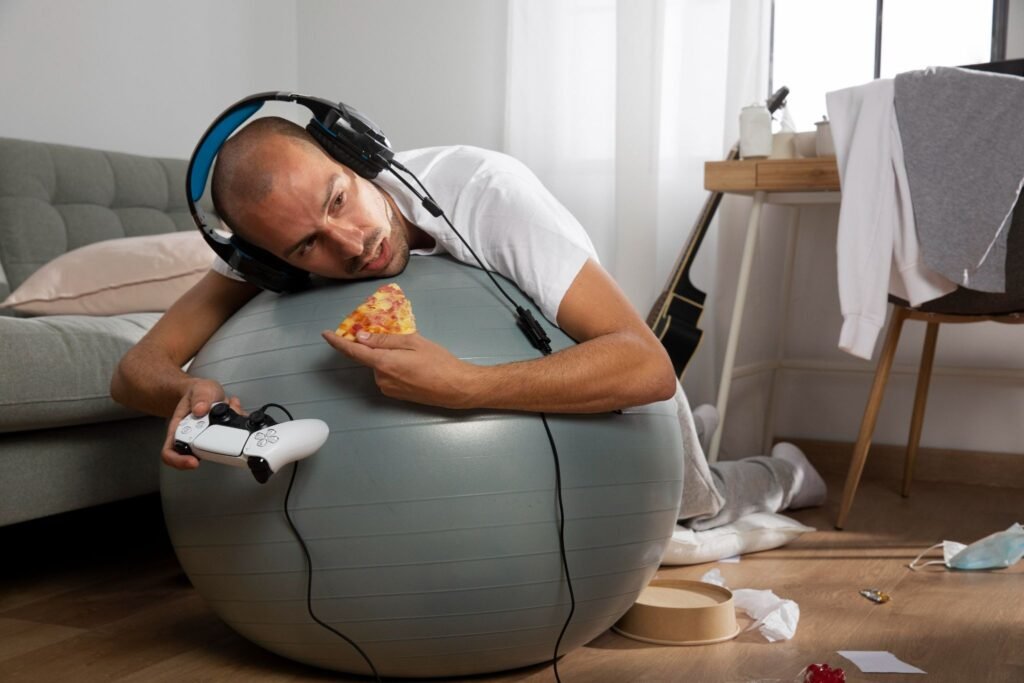
A sedentary lifestyle typically refers to a pattern of living characterized by prolonged periods of inactivity, often involving extended sitting or lying down. You might find yourself engaging in sedentary behavior when you spend hours on the couch, at your desk, or in front of a screen.
These lifestyle choices can greatly impact your physical health, but what about your overall well-being? Research indicates that the more time you spend inactive, the greater the risk of various health issues, including obesity and cardiovascular disease.
It’s crucial to question how these choices shape your daily life and long-term health outcomes. Can you identify patterns of inactivity in your routine? By becoming aware of your habits, you gain the freedom to make conscious decisions that promote a more active lifestyle.
Adjusting your choices mightn’t only enhance your physical health but could also empower you to live more vibrantly.
Sedentary Lifestyle and Its Impact on Mental Health
Sedentary lifestyles increase all causes of mortality, double the risk of cardiovascular diseases, diabetes, and obesity, and increase the risks of colon cancer, high blood pressure, osteoporosis, lipid disorders, depression and anxiety. According to WHO, 60 to 85% of people in the world—from both developed and developing countries—lead sedentary lifestyles, making it one of the more serious yet insufficiently addressed public health problems of our time. It is estimated that nearly two-thirds of children are also insufficiently active, with serious implications for their future health.
While you might associate a sedentary lifestyle primarily with physical health issues, the connection to mental health is equally significant. Research indicates that prolonged sedentary behavior can negatively impact your mental wellness by increasing feelings of anxiety, stress, and depression. Engaging in regular physical activity, on the other hand, is linked to improved mood and cognitive function.
Here’s a quick look at the relationship between sedentary behavior and mental health:
| Sedentary Behavior | Mental Health Impact |
| Increased screen time | Higher anxiety levels |
| Long periods of sitting | Elevated risk of depression |
| Lack of movement | Decreased overall well-being |
How Physical Inactivity Contributes to Anxiety and Depression
A poor participation in physical activity is speculated to be influenced by multiple factors. Some environmental factors include traffic congestion, air pollution, shortage of parks or pedestrian walkways, and a lack of sports or leisure facilities. Television viewing, video viewing, and cell phone usage are positively correlated with an increasingly sedentary lifestyle. Sedentary behaviors are projected to continue to rise on the basis of this socio-cultural background.
When you lead a physically inactive lifestyle, the risk of developing anxiety and depression greatly increases. Research shows that inactivity can create a feedback loop where anxiety triggers become more pronounced. For instance, lack of movement may lead to feelings of isolation, which can amplify anxiety.
Additionally, physical inactivity often correlates with poor sleep, further exacerbating depression symptoms. Your body produces fewer endorphins without regular exercise, which can diminish your mood and resilience against stressors. This decline in physical health can lead to a perception of helplessness, making it harder to engage with the world.
Moreover, when you’re not active, you might miss out on social interactions that provide support, creating a breeding ground for negative thoughts. Understanding these connections highlights the vital need to break the cycle of inactivity, as addressing physical health is essential for mental well-being.
How Can Exercise Help Your Mental Health?
Engaging in regular exercise can greatly enhance your mental health by fostering a range of physiological and psychological benefits. Research shows that physical activity releases endorphins, which can uplift your mood, reduce stress, and combat feelings of anxiety and depression. Research on how fitness reduces anxiety scientific evidence supports the link between regular physical activity and improved mental health, showing that exercise can help reduce stress, ease anxiety symptoms, and promote emotional well-being.
By incorporating exercise into your routine, you’re not just improving your physical fitness—you’re also experiencing profound exercise benefits that contribute to mental clarity.
Consider how even moderate exercise can enhance cognitive function, sharpen focus, and boost creativity. It stimulates the growth of new brain cells, enhancing your brain’s resilience against stress.
This begs the question: how can you leverage these benefits in your daily life? By exploring different forms of exercise, you can find what resonates with you, allowing for a more joyful and liberated approach to mental well-being.
Ultimately, making exercise a priority can lead to a happier, healthier mindset.

TOP EXERCISES TO ENHANCE MENTAL WELL-BEING
Whenever I design training programs for busy clients, I always emphasize that we must treat movement as mindful nervous system regulation, not an exhausting punishment. When epidemiological research discusses breaking up inactivity, people frequently assume they need to jump straight into grueling daily workouts. But that all-or-nothing mindset usually leads to rapid abandonment. The real magic happens when you intentionally match movement to your mental state.
On days when mental fatigue feels heavy and overwhelming, forcing yourself through an aggressive gym session might only elevate your cortisol. Instead, stepping outside for a brisk walk in natural light or rolling out a mat for a grounding yoga flow can completely re-anchor your focus and relieve tension. On the flip side, when pent-up work frustration or restless anxiety sets in, that is the perfect time for an efficient 15-minute HIIT circuit or an upbeat dance session to burn through excess adrenaline and stimulate fresh endorphin flow.
As an avid hiker and salsa dancer myself, I have experienced firsthand how rhythm, pace changes, and outdoor air disrupt toxic thought loops far faster than sitting on a sofa ever could. Movement is simply dynamic mindfulness—it gets you out of your overactive head and back into your body.
Physical activity not only elevates mood but also serves as a powerful tool for enhancing mental well-being. Engaging in mindful movement, like yoga or tai chi, promotes a sense of calm and awareness, grounding you in the present moment. These practices have been shown to reduce anxiety and improve emotional regulation.
Moreover, participating in group activities, such as dance classes or team sports, fosters social connections that can greatly boost your mental health. The camaraderie experienced during these activities can enhance feelings of belonging and support.
Consider experimenting with different exercises to discover what resonates with you. Whether it’s a brisk walk in nature or a high-energy group workout, the key is to find joy in movement and make exercise an enjoyable self care activity that supports your mental and emotional well-being.
Practical Ways to Add Movement to Your Daily Routine
Incorporating movement into your daily routine doesn’t have to be a challenging task; small adjustments can yield significant benefits for your mental health.
Consider replacing traditional meetings with walking meetings. Research indicates that walking not only stimulates creativity but also enhances mood, making discussions more dynamic.
You might also explore the concept of active breaks. Instead of scrolling your phone during downtime, take a few minutes to stretch, walk around, or do some light exercises.
These brief interludes can reduce stress and increase productivity, creating a positive feedback loop for your mental well-being.
Creating a Sustainable Exercise Plan for Mental Health
Finding ways to incorporate movement into your daily life can set the foundation for a more sustainable exercise plan. Start by identifying your personal fitness goals—whether it’s reducing stress, improving mood, or enhancing overall well-being. Research shows that goal setting can greatly increase your commitment to exercise. A consistent exercise routine can support fitness and brain health neuroplasticity, helping strengthen neural connections, improve cognitive function, and promote long-term mental well-being.
Next, consider activity tracking. Using apps or journals, monitor your progress; this not only provides accountability but also offers insights into what works for you.
Are you more motivated by group activities or solo workouts? Experiment to find what keeps you engaged. Flexibility is key; allow yourself to adapt your plan as your interests evolve.
Remember, a sustainable exercise plan doesn’t need to be rigid. Instead, it should foster enjoyment and freedom, making it easier to stick with long-term.
RELATED STUDIES ABOUT SEDENTARY LIFESTYLE RISKS EPIDEMIOLOGY
In light of the compelling evidence linking sedentary lifestyles to mental health struggles, it’s clear that even modest movement can serve as a gentle nudge towards emotional well-being. By embracing exercise as an essential companion in your daily life, you can transform potential pitfalls into stepping stones. So, consider weaving physical activity into your routine; it’s not just about fitness, but nurturing your mental landscape. Ultimately, a little effort can yield significant benefits for your overall mental health.
The “things” we adjust for in greenness epidemiology: relationships between greenness and lifestyle and environmental factors in the Swedish SCAPIS cohort
This cross-sectional investigation from the Swedish CardioPulmonary bioImage Study (SCAPIS) evaluates the interrelationships between residential greenness, environmental co-exposures (air pollution and road traffic noise), and lifestyle behaviors (smoking, alcohol consumption, sedentary lifestyle), while utilizing waist circumference as an illustrative cardiometabolic outcome to examine confounding, mediation, and effect modification.
Conceptual Framework & Methodological Context
- Greenness and the Exposome: Residential greenness has been consistently associated with beneficial health outcomes, traditionally conceptualized through three primary domains: mitigation of harmful environmental hazards, instoration of physical activity and social capacities, and restoration of psychological resources.
- The Adjustment Dilemma in Greenness Epidemiology: Environmental epidemiological studies often adjust for environmental exposures (air pollution, traffic noise) and lifestyle behaviors without clearly establishing whether these factors operate as true mutual confounders, biological intermediates (mediators), or effect modifiers. High collinearity between natural vegetation and lower urban environmental pollution creates methodological uncertainty in isolating the independent health effects of greenness.
- Study Objectives:
- Quantify associations between satellite-derived residential greenness and environmental co-exposures (fine particulate matter [PM2.5], respirable particulate matter [PM10], nitrogen dioxide [NO2], and road traffic noise [Lden]) across six Swedish study centers.
- Examine associations between greenness and lifestyle behaviors (tobacco smoking, alcohol consumption, leisure-time sedentary behavior).
- Evaluate waist circumference as an illustrative cardiometabolic outcome using directed acyclic graphs (DAGs) to identify confounding, mediation, and effect modification pathways.
- Assess the population representativeness of the cohort regarding national greenness exposure distributions.
Methodology & Exposure Assessment
- Study Cohort: Analyzed 29,376 men and women aged 50 to 65 years (97% of the total 30,154 participants in SCAPIS recruited between 2013 and 2018) across six study sites: Gothenburg, Linköping, Malmö, Stockholm, Umeå, and Uppsala.
- Residential Greenness Assessment:
- Evaluated via the Normalized Difference Vegetation Index (NDVI; 25 m 25 m resolution) derived from Landsat 5 TM, 7, and 8 summer satellite imagery across the 2000–2018 period.
- Calculated 5-year average annual median NDVI values within circular buffers of 100 m, 250 m, and 500 m surrounding geocoded residential addresses, with cloud-contamination smoothing and exclusion of water surfaces. NDVI at 250 m (mean 0.47, range 0.08–0.79) was selected as the primary exposure metric due to high correlation with the 500 m buffer (=0.942).
- Environmental Co-Exposures & Built Environment:
- Air Pollution: Annual residential exposure to PM2.5, PM10, and NO2 modeled using high-resolution regional dispersion models (down to 50 m grids) combined with chemical transport modeling.
- Traffic Noise: Road traffic noise (Lden, day-evening-night equivalent sound level in decibels) estimated at the most exposed facade of each residential building.
- Urbanicity & Socioeconomic Status: Urbanicity was categorized using Demographic Statistical Areas (DeSO; urban central vs. non-urban). Area-level median household income, individual education, and self-reported financial strain (ability to raise 20,000 SEK in one week) were captured.
- Lifestyle & Anthropometric Outcomes:
- Lifestyle Variables: Current/ever smoking, alcohol consumption frequency (4 times/week, 1 time/week), and leisure-time physical activity/sedentary behavior.
- Illustrative Health Outcome: Waist circumference measured in centimeters, with central obesity defined as 80 cm in women and 94 cm in men.
- Statistical Modeling: Linear and logistic regressions were fitted with crude models, models adjusted for socioeconomic status, urbanicity, and study site, and models incorporating interaction terms (NDVI site and NDVI urbanicity). Counterfactual mediation analysis evaluated indirect effects through air pollution and traffic noise.
Key Empirical Findings
- Strong Negative Correlation with Environmental Hazards:
- Across the cohort, residential greenness (NDVI 250 m) was inversely correlated with air pollution (PM2.5: =-0.546; PM10: =-0.540; NO2: =-0.676) and road traffic noise (Lden: =-0.636).
- The strength of these inverse associations was site-dependent: NDVI-PM2.5 correlations ranged from r=-0.29 in Malmö to r=-0.76 in Linköping, with stronger inverse associations in less dense, less urbanized municipalities (Linköping, Umeå, Uppsala).
- In linear models, the combination of residential NDVI, study site, and urbanicity explained 90% of the population variance in PM2.5 and PM10 exposures, and 84% of the variance in NO2.
- Associations with Lifestyle Behaviors:
- Smoking: Living in the lowest greenness quartile (Q1) was associated with significantly higher odds of being a current smoker (OR=1.50, 95% CI: 1.32–1.70) and an ever-smoker (OR=1.41, 95% CI: 1.30–1.53) compared to the highest greenness quartile (Q4), independent of individual and area-level socioeconomic status.
- Alcohol Intake: Lower greenness was associated with elevated odds of frequent alcohol consumption (4 times/week: OR=1.63, 95% CI: 1.41–1.89).
- Physical Inactivity: Residential greenness was not associated with leisure-time sedentary behavior or regular physical activity in adjusted models. While individuals with lower education were more frequently sedentary, greenness levels did not modify this relationship.
- Socioeconomic Interaction: Formal interaction models revealed that education significantly modified the greenness-smoking association (p<0.05): the protective association between higher greenness and lower smoking rates was pronounced among university-educated individuals, but absent among participants with an elementary school education.
- Illustrative Outcome Analysis (Waist Circumference):
- Confounding: In crude models, higher greenness was weakly associated with lower waist circumference in men (=-1.20, 95% CI: -2.59 to 0.18), but this association disappeared after adjusting for education, individual financial strain, area income, urbanicity, and study site (=0.56, 95% CI: -1.07 to 2.20 in men; =1.58, 95% CI: -0.18 to 3.33 in women), demonstrating strong confounding by socioeconomic status and geography.
- Mediation: Counterfactual mediation modeling showed that air pollution (PM2.5) and traffic noise (Lden) accounted for only weak, clinically negligible partial mediation of the greenness-waist circumference relationship. Physical activity showed no mediating role because it was unrelated to residential greenness.
- Effect Modification: Alcohol frequency was the sole significant effect modifier: higher greenness was inversely associated with waist circumference among participants consuming alcohol 4 times/week (=-3.75, 95% CI: -7.55 to -0.05), but positively associated among those drinking less frequently (=1.56, 95% CI: 0.29 to 2.84; pinteraction=0.030).
- National Population Representativeness:
- SCAPIS participants exhibited consistently lower residential greenness (median NDVI 100 m: 0.45) compared to the general population residing in the same six counties (median NDVI 100 m: 0.50–0.51).
- The cohort had a higher urban residency proportion (86% overall; up to 100% in Malmö and 98% in Stockholm) than the broader regional populations, indicating that multi-center urban cohorts can systematically underrepresent rural, highly vegetated environments.
Methodological & Epidemiological Implications
- Deconstructing “Confounders” in Environmental Models: The strong spatial collinearity between greenness, low air pollution, and reduced noise indicates that treating pollution and noise strictly as standard confounders can lead to overadjustment bias if vegetation physically removes particulates or buffers noise transmission (acting as a mediator). Investigators must articulate causal assumptions using directed acyclic graphs before specifying multivariable models.
- Lifestyle Pathways Beyond Physical Activity: The lack of association between greenness and physical activity challenges the assumption that green space primarily improves health by increasing exercise volume. Instead, observed links with reduced smoking and lower alcohol consumption suggest alternative behavioral pathways, including stress reduction, craving attenuation, and lower spatial density of tobacco/alcohol retail outlets.
- Geographic Heterogeneity in Multi-Center Studies: Because the association between greenness and environmental pollutants varies widely across municipalities (e.g., weaker inverse correlations in dense urban areas like Malmö vs. stronger correlations in Linköping), multi-center studies must account for spatial heterogeneity and urbanicity rather than assuming uniform nationwide exposure relationships.
Study Limitations
- Surrogate Exposure Metrics: NDVI captures total surface green vegetation biomass from satellite reflectance but does not distinguish vegetation type (canopy trees vs. grass lawns), aesthetic quality, biodiversity, or public usability.
- Absence of Time-Activity Tracking: Exposure was assigned strictly to residential addresses, omitting occupational exposures, commuting transit routes, and actual time spent visiting nature.
- Self-Reported Lifestyle Data: Tobacco use, alcohol intake, and physical activity were measured via self-administered questionnaires, which may be subject to recall inaccuracies and social desirability bias.
- Cross-Sectional Confounding: While residential histories spanned five years, the cross-sectional evaluation of lifestyle behaviors and waist circumference prevents establishing longitudinal causal directionality.
| REFERENCE: Emmanouela Sdona, Andrei Pyko, Cecilia Stenfors, Christian Asker, Mehjar Azzouz, Anna Oudin, Johan Nilsson Sommar, Magnus Svartengren, Mikael Ögren, Petter Ljungman, Leo Stockfelt, Mare Lõhmus, The “things” we adjust for in greenness epidemiology: relationships between greenness and lifestyle and environmental factors in the Swedish SCAPIS cohort, Environment International, Volume 205, 2025, 109876, ISSN 0160-4120, https://doi.org/10.1016/j.envint.2025.109876. (https://www.sciencedirect.com/science/article/pii/S0160412025006270) |
Sedentary lifestyle, physical activity, and gastrointestinal diseases: evidence from mendelian randomization analysis
This outcome-wide Mendelian randomization (MR) and multivariable Mendelian randomization (MVMR) study evaluates the potential causal associations of sedentary behavior (proxied by leisure screen time) and moderate-to-vigorous physical activity with the risk of 24 distinct gastrointestinal, hepatobiliary, and pancreatic diseases, while dissecting the mediating role of cardiometabolic and glycemic traits.
Conceptual Framework & Rationale
- Epidemiological Context: Physical inactivity and sedentary behavior affect over 27% of the global population (and up to 42% in high-income nations), contributing substantially to the non-communicable disease burden.
- The Sedentary vs. Active Paradigm: While observational epidemiology indicates that regular physical activity correlates with lower incidence of gastrointestinal (GI) disorders, observational designs are vulnerable to unmeasured residual confounding, reverse causation, and health-behavior clustering. Crucially, independent biological risks conferred by prolonged sedentary posture cannot be fully offset by intermittent exercise alone, yet the direct causal impact of sedentary time on digestive pathologies remains largely uncharacterized.
- Study Objectives:
- Determine the univariable causal associations of genetically predicted leisure screen time (LST, an established proxy for sedentary leisure behavior) and genetic liability to moderate-to-vigorous physical activity (MVPA) across 24 digestive outcomes.
- Perform mutually adjusted multivariable MR (MVMR) to isolate the independent causal effects of LST and MVPA.
- Control for potential pleiotropic behavioral confounders (smoking initiation, smoking heaviness, alcohol intake).
- Quantify the mediation proportions attributable to body mass index (BMI), waist-to-hip ratio (WHR), type 2 diabetes mellitus (T2D), and fasting insulin.
Methodology & Genetic Architecture
- Study Design & Data Sources: Two-sample univariable and multivariable Mendelian randomization utilizing summary-level genome-wide association study (GWAS) data restricted to individuals of European ancestry.
- Exposure Instruments: Selected from a GWAS meta-analysis of 51 European cohorts (LST: N=606,820; MVPA: N=526,725). At genome-wide significance (P<510-8) and linkage disequilibrium clumping (r2<0.01), 132 independent single-nucleotide polymorphisms (SNPs) served as instruments for LST (all instrument-specific F-statistics>10; weighted SD 1.9hours/day) and 17 SNPs for MVPA.
- Outcome Consortia: Evaluated across the UK Biobank (>330,000 participants), FinnGen study (R9 release; >300,000 participants), International Inflammatory Bowel Disease Genetics Consortium (IIBDGC; Crohn’s disease and ulcerative colitis), and the Genetic Epidemiology Research on Aging (GERA; irritable bowel syndrome). Estimates across independent sources were meta-analyzed using fixed-effects models.
- Mediator Datasets: Publicly available European GWAS summary statistics for BMI and WHR (N694,649), fasting insulin (N=151,013), T2D liability (148,726 cases; 965,732 controls), and smoking/alcohol phenotypes from the GSCAN consortium (N1.2million).
- Statistical Modeling & Sensitivity Analyses:
- Primary MR effect sizes were calculated using the inverse-variance weighted (IVW) method under multiplicative random effects, corrected for multiple testing using the Benjamini-Hochberg false discovery rate (FDR; adjusted P<0.05).
- Pleiotropy and Robustness Checks: Weighted median, MR-Egger regression (intercept testing for directional horizontal pleiotropy), MR-PRESSO (outlier detection and removal), MR Steiger directionality tests, leave-one-out sensitivity analyses, and instrument pruning via PhenoScanner V2.
- Mediation Framework: Evaluated via multivariable MR; mediation proportion calculated as: 1-(directeffectaftermediatoradjustment/totalunivariableeffect) when both effects aligned directionally.
Key Empirical Findings
- Sedentary Behavior (Leisure Screen Time) Across the Digestive System:
- Genetically predicted longer LST (per 1 SD increase, 1.9h/day) was causally associated with an elevated risk for 16 of the 24 examined gastrointestinal diseases after FDR correction:
- Upper GI Disorders: Gastroesophageal reflux disease (GERD; OR = 1.28, 95% CI: 1.20–1.37), gastric ulcer (OR = 1.26, 95% CI: 1.12–1.42), duodenal ulcer (OR = 1.41, 95% CI: 1.23–1.62), and chronic gastritis (OR = 1.23, 95% CI: 1.08–1.40).
- Lower GI Disorders: Irritable bowel syndrome (IBS; OR = 1.24, 95% CI: 1.13–1.35), diverticular disease (OR = 1.26, 95% CI: 1.19–1.34), Crohn’s disease (OR = 1.18, 95% CI: 1.02–1.37), ulcerative colitis (OR = 1.18, 95% CI: 1.06–1.32), and acute appendicitis (OR = 1.09, 95% CI: 1.01–1.18).
- Hepatobiliary & Pancreatic Disorders: Non-alcoholic fatty liver disease (NAFLD; OR = 1.61, 95% CI: 1.32–1.96), alcoholic liver disease (ALD; OR = 1.24, 95% CI: 1.02–1.51), cholangitis (OR = 1.36, 95% CI: 1.09–1.69), cholecystitis (OR = 1.31, 95% CI: 1.14–1.51), cholelithiasis (OR = 1.32, 95% CI: 1.23–1.41), acute pancreatitis (OR = 1.39, 95% CI: 1.22–1.59), and chronic pancreatitis (OR = 1.47, 95% CI: 1.20–1.80).
- Independence from Physical Activity: In MVMR models simultaneously adjusting for genetic liability to MVPA, longer LST remained an independent causal risk factor for GERD, gastric ulcer, duodenal ulcer, diverticular disease, NAFLD, cholelithiasis, acute pancreatitis, and chronic pancreatitis (P<0.05).
- Genetically predicted longer LST (per 1 SD increase, 1.9h/day) was causally associated with an elevated risk for 16 of the 24 examined gastrointestinal diseases after FDR correction:
- Protective Effects of Moderate-to-Vigorous Physical Activity (MVPA):
- Genetic predisposition to MVPA was significantly associated with reduced risk across 8 gastrointestinal diseases:
- GERD (OR = 0.70, 95% CI: 0.58–0.85).
- Gastric ulcer (OR = 0.59, 95% CI: 0.46–0.76).
- Chronic gastritis (OR = 0.74, 95% CI: 0.59–0.92).
- Irritable bowel syndrome (OR = 0.60, 95% CI: 0.47–0.77).
- Cholecystitis (OR = 0.52, 95% CI: 0.31–0.88).
- Cholelithiasis (OR = 0.61, 95% CI: 0.51–0.73).
- Acute pancreatitis (OR = 0.52, 95% CI: 0.38–0.71).
- Chronic pancreatitis (OR = 0.50, 95% CI: 0.29–0.87).
- MVMR Adjustment for LST: After adjusting for LST, associations directionally persisted for all conditions and remained statistically significant for GERD, IBS, cholecystitis, cholelithiasis, and acute pancreatitis, though gastric ulcer and chronic gastritis attenuated to non-significance.
- Genetic predisposition to MVPA was significantly associated with reduced risk across 8 gastrointestinal diseases:
- Absence of Associations with Gastrointestinal Cancers:
- Neither genetically predicted LST nor MVPA showed significant causal associations with colorectal cancer, esophageal cancer, gastric cancer, liver cancer, or pancreatic cancer (P>0.05), likely due to lower statistical power from limited case numbers relative to non-malignant outcomes.
- Mediation via Adiposity and Glycemic Disruption:
- Adiposity Measures (BMI & WHR): General and abdominal adiposity emerged as the dominant biological mediators. BMI accounted for 37.83% of the LST effect on cholelithiasis, 32.57% on cholangitis, 29.10% on NAFLD, and 44.80% on acute appendicitis. For MVPA, BMI and WHR separately mediated over 61% of the protective effect against cholelithiasis, 67.66% against acute pancreatitis, and 47.46% against gastric ulcer.
- Metabolic Traits (T2D & Fasting Insulin): Fasting insulin mediated up to 38.63% of the effect of MVPA on gastric ulcer and 15.77% of the effect of LST on alcoholic liver disease. Type 2 diabetes liability accounted for substantial proportions of the protective effect of MVPA against chronic gastritis (49.82%), cholecystitis (10.43%), and cholelithiasis (33.51%).
- Pleiotropy Adjustments for Substance Use:
- Adjusting for genetically proxied smoking initiation, cigarettes smoked per day, and alcohol intake modestly attenuated effect estimates for alcoholic liver disease and cholangitis, confirming partial behavioral confounding, but 14 of the 16 LST disease associations remained statistically significant.
Biological Mechanisms & Pathophysiological Pathways
- Lipid Metabolism and Low-Grade Inflammation: Prolonged seated posture suppresses skeletal muscle lipoprotein lipase (LPL) activity, impairing triglyceride clearance and glucose uptake. This metabolic stasis triggers chronic systemic low-grade inflammation, driving microvascular endothelial dysfunction, bile acid dysregulation, and tissue injury across the hepatobiliary axis and pancreas.
- Gut Barrier & Microbiome Integrity: Regular physical activity modulates gut microbiota composition and diversity, upregulates short-chain fatty acid production, preserves mucosal barrier tight junctions, and maintains bile acid homeostasis. In contrast, prolonged sedentary time promotes gut hypomotility, intestinal dysbiosis, and mucosal ischemia, predisposing individuals to inflammatory bowel diseases, diverticulosis, and reflux.
- Postural Hemodynamics & Glycemic Control: Breaking up sedentary time stimulates postural muscular contractions, enhancing shear stress-mediated nitric oxide production, insulin sensitivity, and mitochondrial respiratory capacity. This explains why LST exerts pathogenic effects on digestive health independent of whether an individual meets leisure exercise thresholds.
Methodological Considerations & Limitations
- Ancestry Constraints: The genetic instruments and outcome data were restricted to European-ancestry populations, which limits direct generalizability to other ancestries with differing genetic architectures and baseline disease burdens.
- Sample Overlap Considerations: Partial participant overlap (~67%) existed between the exposure GWAS and the UK Biobank outcome cohort, which could theoretically bias MR estimates toward observational findings. However, high instrument strength (F>10) and fully replicated associations within the non-overlapping FinnGen cohort mitigated this concern.
- Phenotypic Resolution: Both LST and MVPA instruments were derived from self-reported questionnaires rather than continuous accelerometry, and the binary operationalization of MVPA precluded evaluating non-linear dose-response curves, minimum activity thresholds, or upper-boundary saturation points.
- Residual Horizontal Pleiotropy: Although extensive sensitivity tests (MR-Egger, MR-PRESSO, outlier exclusion) confirmed directional consistency, unmeasured non-metabolic biological pathways could still contribute residual pleiotropy.
Clinical & Public Health Implications
- Dual-Target Lifestyle Prescriptions: Gastrointestinal prevention guidelines cannot focus solely on achieving target exercise minutes; clinicians must explicitly advise patients to disrupt prolonged sedentary bouts throughout the day.
- Targeting High-Risk Metabolic Phenotypes: Because BMI, fasting insulin, and type 2 diabetes mediate substantial proportions of the relationship between sedentary behavior and digestive disease, physical activity promotion yields critical preventive efficacy in patients with obesity or prediabetes to avert severe hepatobiliary and pancreatic morbidity.
| REFERENCE: Jie Chen, Xixian Ruan, Tian Fu, Shiyuan Lu, Dipender Gill, Zixuan He, Stephen Burgess, Edward L. Giovannucci, Susanna C. Larsson, Minzi Deng, Shuai Yuan, Xue Li, Sedentary lifestyle, physical activity, and gastrointestinal diseases: evidence from mendelian randomization analysis, eBioMedicine, Volume 103, 2024, 105110, ISSN 2352-3964, https://doi.org/10.1016/j.ebiom.2024.105110. (https://www.sciencedirect.com/science/article/pii/S2352396424001452) |
Impact of sociodemographic factors, sleep, physical activity, and sedentary lifestyle on central obesity in schoolchildren aged 6–12 years in Marrakech, Morocco
This cross-sectional epidemiological investigation evaluates the prevalence of central obesity and examines its associations with sociodemographic characteristics, family structure, physical activity, sedentary behaviors, and sleep duration among primary school children in Marrakech, Morocco.
Conceptual Framework & Public Health Context
- Childhood Obesity as an Emerging Regional Priority: Globally, childhood and adolescent obesity rates have risen sharply since the 1970s, contributing to non-communicable disease burdens across both developed and middle-to-low-income nations. In the Middle East and North Africa (MENA) region, urbanization, dietary transitions, and lifestyle changes have accelerated excessive weight gain in school-aged cohorts.
- Central Obesity vs. General Body Mass Index (BMI): While BMI is standardly used to index overall body mass, it does not distinguish between lean mass and regional fat distribution. Central (abdominal) adiposity reflects visceral fat accumulation and is more strongly correlated with cardiometabolic dysregulation, insulin resistance, type 2 diabetes, and early vascular changes in children.
- Waist-to-Height Ratio (WtHR) Utility: The waist-to-height ratio has emerged as a practical, culturally adaptable, and age-independent anthropometric index for visceral adiposity screening, with a cutoff of 0.5 widely recognized as an international threshold for elevated cardiometabolic risk.
- Regional Evidence Gap: Despite recognized shifts toward physical inactivity and digital screen use in Morocco, population-level epidemiological data specifically investigating central obesity and its behavioral correlates in North African primary school populations have remained scarce.
- Core Objective: Determine the prevalence of central obesity using WtHR and identify its sociodemographic and lifestyle determinants among children aged 6–12 years in the urban and rural public school districts of Marrakech.
Methodology & Sampling Architecture
- Study Design & Scope: A school-based cross-sectional survey conducted between June 2020 and June 2021 within the Marrakech Prefecture, Morocco.
- Sampling Base & Frame: The target sampling universe encompassed 321 public primary schools (186 rural, 135 urban), comprising 2,052 classes and 104,621 enrolled students aged 6–12 years during the 2020–2021 school year.
- Multi-Stage Stratified Cluster Sampling:
- Stratum 1 (Schools): Stratified random selection of 9 primary schools (one from each of the 9 administrative divisions across urban and rural zones) based on functional capacity and functional school health service access.
- Stratum 2 (Classes): Stratified random selection of 6 classes (representing all 6 primary grades) within each of the 9 selected schools (54 classes total).
- Stratum 3 (Students): Systematic random selection of 22 students per class, targeting an initial calculated sample of 1,188 students (based on a conservative estimated 50% obesity prevalence to maximize power, $98\%$ confidence interval, $5\%$ margin of error, and a design effect of 2). Following 27 student absences, the final analytical cohort comprised 1,161 children.
- Anthropometric Measurements:
- Conducted on-site by trained school health nurses following standardized international protocols.
- Body Weight & Height: Measured to the nearest 0.1 kg and 0.1 cm using a calibrated SECA digital scale and stadiometer, with participants wearing minimal clothing and bare feet.
- Waist Circumference (WC): Measured at the end of a normal exhalation midway between the lowest palpable rib and the iliac crest using a non-elastic tape measure.
- Adiposity Definitions: BMI calculated as weight(kg)/height(m)2; central obesity defined as WtHR0.5.
- Survey Instrumentation: Structured questionnaires administered directly to children by trained nurses in the presence of teachers, capturing parental sociodemographic status, parental literacy and employment, household crowding, sleep duration, commute modes to school, sports participation, and sedentary digital media habits.
- Statistical Analysis: Analyzed using SPSS (version 23.0) via ANOVA, Chi-square tests, and univariate/multivariate binary regression (p<0.05 considered statistically significant).
Key Empirical Findings
- Prevalence of Central and General Adiposity:
- The mean age was 9.431.86 years (53.0% girls, n=615; 47.0% boys, n=546). The overall mean BMI was 15.343.44kg/m2, mean waist circumference was 59.339.26cm, and mean WtHR was 0.430.53.
- Central Obesity Rate: The overall prevalence of central obesity (WtHR0.5) was 9.0% (95% CI: 7.38%–10.75%; n=104).
- Sex Distribution: Central obesity was slightly higher in boys (9.3%, n=51) than in girls (8.6%, n=53), though this difference was not statistically significant (p=0.371).
- Sociodemographic Correlates of BMI vs. WtHR:
- General Adiposity (BMI): Significantly associated with older age groups (p<0.001; highest in the 10–12 age bracket at 16.35kg/m2), female sex (15.56 vs. 15.10kg/m2,p=0.023), urban residence (15.37 vs. 15.32kg/m2,p<0.001), and maternal illiteracy (15.64 vs. 15.07kg/m2,p=0.035).
- Central Adiposity Invariance: Interestingly, traditional sociodemographic factors—including age category (p=0.449), biological sex (p=0.371), urban vs. rural residence (p=0.178), housing crowding (p=0.454), paternal literacy (p=0.693), and maternal literacy (p=0.342)—showed no statistically significant associations with WtHR status.
- The Critical Influence of Family Structure:
- Single-Parent Households: Children raised in single-parent homes demonstrated both a significantly higher average BMI (16.664.47 vs. 15.253.34kg/m2,p=0.009) and a significantly greater prevalence of central obesity (18.7% vs. 8.3%, p=0.005) compared to children with two parents present.
- Only-Child Status: Single children exhibited a significantly higher average BMI (17.123.98 vs. 15.273.40kg/m2,p<0.001) and a three-fold higher prevalence of central obesity compared to children with siblings (25.0% vs. 8.3%, p=0.001). Birth order position (being the youngest child) had no significant association with adiposity.
- Lifestyle Behaviors (Sleep, Physical Activity, Sedentary Habits):
- Sleep Duration: Children sleeping less than 8 hours per night had a non-significant trend toward higher average BMI (15.63 vs. 15.23kg/m2,p=0.148) and a marginally significant elevation in central obesity rates (12.0% vs. 8.4%, p=0.087).
- Physical Activity Invariance: Mode of transport to school (active walking/cycling 90.8% vs. motorized passive 9.2%; p=0.161), active commuting duration (<30 vs. 30minutes;p=0.442), participation in regular gym exercises (p=0.082), and weekly family leisure activity (p=0.343) did not significantly differentiate central obesity prevalence.
- Sedentary Media Exposure: Daily screen viewing on school days ($>2\text{ hours/day}: 10.7\%$ vs. $\le 2\text{ hours/day}: 8.8\%; p = 0.502$), weekend screen time (p=0.837), having a television in the bedroom (p=0.608), and home internet access (p=0.498) were not significantly linked to central obesity. However, personal smartphone ownership was significantly associated with a higher mean BMI (15.613.30 vs. 15.153.53kg/m2,p=0.025), though it did not reach significance for central obesity (p=0.476).
Clinical, Public Health, & Policy Implications
- WtHR as a Universal Pediatric Screening Tool: Because standard BMI failed to detect variations in abdominal fat distribution across sociodemographic tiers, relying solely on BMI curves in pediatric health evaluations may underestimate visceral adiposity. Incorporating routine WtHR measurements (cutoff0.5) into school health check-ups provides an inexpensive, non-invasive method to identify children at elevated risk for subclinical metabolic syndrome.
- Targeting High-Vulnerability Family Units: Health education and community wellness interventions must look beyond broad demographic categories to provide targeted nutritional and lifestyle support to children in single-parent homes and only-child families, who demonstrated markedly elevated central obesity rates (18.7% and 25.0%, respectively).
- School-Based Sleep and Device Hygiene: Interventions should promote healthy sleep routines and monitor early personal smartphone access, addressing the behavioral cascades linking short sleep duration and screen device use to increased body mass.
Methodological Limitations
- Cross-Sectional Architecture: The observational design captures prevalence at a single cross-section, precluding longitudinal causal determinations regarding whether family disruption or sleep loss directly precedes visceral fat gain.
- Self-Reported Behavioral Telemetry: Physical activity, active commute times, sleep duration, and digital screen use were self-reported by young children in school interviews rather than quantified via objective actigraphy, accelerometry, or sleep diaries.
- Omission of Nutritional Tracking: Although survey data were collected regarding dietary habits, dietary composition, caloric intake, and meal patterns were excluded from the analysis, leaving potential nutritional confounders unexamined.
- Single-Region Scope: Data were gathered within public schools in the Marrakech Prefecture, meaning findings cannot be fully generalized to private school systems or distinct socio-economic regions across Morocco without further nationwide replication.
| REFERENCE: Youssef Lahyani, Latifa Adarmouch, Majda Sebbani, Ouassim Mansoury, Hicham EL Mouaddib, Mohamed Amine, Impact of sociodemographic factors, sleep, physical activity, and sedentary lifestyle on central obesity in schoolchildren aged 6–12 years in Marrakech, Morocco, Heliyon, Volume 11, Issue 1, 2025, e41176, ISSN 2405-8440, https://doi.org/10.1016/j.heliyon.2024.e41176. (https://www.sciencedirect.com/science/article/pii/S2405844024172076) |
CONCLUSION
If there is one guiding truth I return to in my health promotion work, it is that sustainable wellness is built through small, consistent rituals rather than radical overhauls. Looking at the epidemiological evidence linking physical inactivity to poor physical and mental health can feel daunting, but it should actually give you a tremendous sense of agency. You do not need to reshape your entire schedule tomorrow or spend two hours in a gym to spark positive neuroplasticity and emotional clarity.
You just need to interrupt the stasis. Start where you are: stand up and stretch during a phone call, take a ten-minute walking break between meetings, or unroll your mat for a few deep breathing postures before bed. Treat these pockets of physical activity not as another chore on your endless to-do list, but as a deliberate act of self-preservation.
When you embrace movement as an accessible, everyday ally for your mental health, physical vitality naturally follows. Be patient with your progress, give yourself grace on demanding days, and remember that every single step, stretch, and mindful breath is an investment in a calmer, clearer, and more energized version of yourself.