
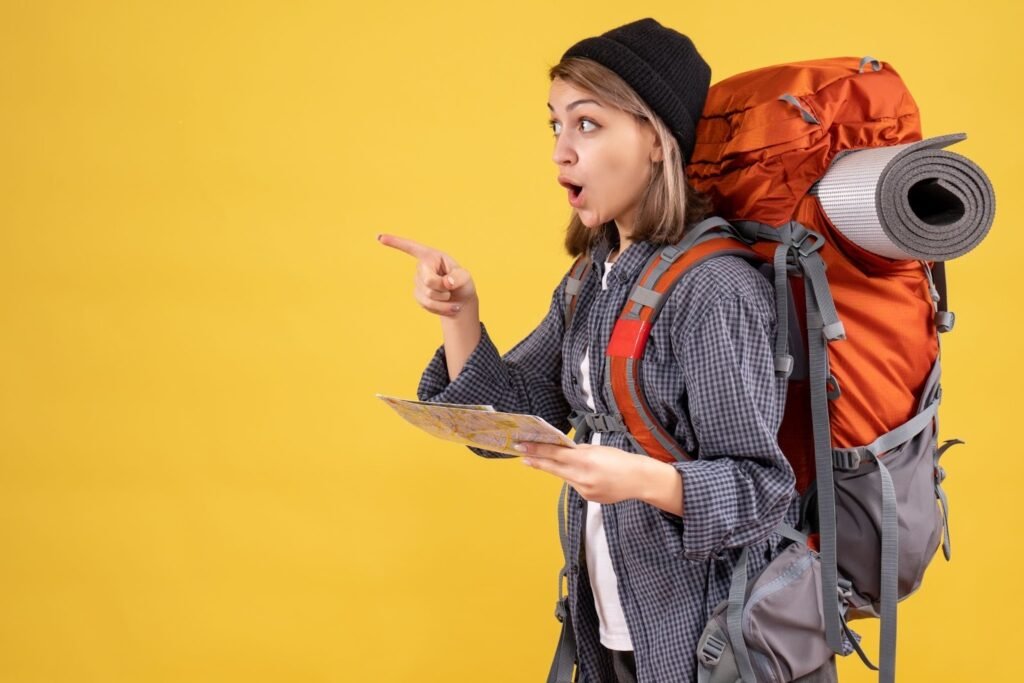
Backpacking on a budget doesn’t mean sacrificing adventure; it requires smart choices and a sense of exploration. Start by choosing the right backpack, ideally between 40 and 70 liters, for comfort and convenience. Pack light and smart—use multi-purpose gear and packing cubes for efficiency. Opt for budget-friendly accommodations like hostels or Couchsurfing to save money while meeting fellow travelers. When it comes to food, seek local markets and try street food to experience culture without overspending. Finally, navigate public transport efficiently and always stay aware of your surroundings. There’s so much more to uncover on your backpacking journey!
KEY TAKEAWAYS
- Choose a lightweight, multi-use backpack with adjustable straps for comfort and easy load distribution during your adventures.
- Pack smart by using packing cubes to stay organized and minimize weight, ensuring every item serves a purpose.
- Opt for budget-friendly accommodation like hostels or Couchsurfing to connect with locals and save money.
- Embrace local culture through affordable eating strategies, such as street food and cooking sessions with residents.
- Research public transport options before arrival to navigate efficiently and save on transportation costs while exploring.
CHOOSE THE RIGHT BACKPACK
Choosing the right backpack is essential for making your adventure both comfortable and enjoyable. With countless backpack types available, narrowing down your choices can feel overwhelming. Start by considering your travel style and the duration of your journey. If you’re planning a weekend getaway, a smaller daypack might suffice, while longer trips might require a larger, more robust backpack.
Size considerations play an important role in ensuring your gear fits and remains accessible. A backpack’s capacity is typically measured in liters; 40-50 liters is ideal for weekend trips, while 60-70 liters can accommodate longer excursions. Think about how much gear you’ll bring and whether you’ll need extra space for souvenirs or essentials. Striking a balance between size and weight is critical—you want a backpack that’s spacious enough without being cumbersome.
Next, explore the different backpack types: internal frame backpacks provide excellent weight distribution and stability, while external frame packs offer versatility and ventilation. If you’re a minimalist, a lightweight pack could be your best bet.
Remember to look for adjustable straps and hip belts that can enhance comfort and help you carry your load more efficiently.
Ultimately, choosing the right backpack is about finding the perfect fit for your adventures. When you’ve got the right gear on your back, you can focus on the freedom of exploration, knowing you’re well-prepared for whatever comes your way.
Pack Smart and Light
Packing smart and light isn’t just about efficiency; it can also be a form of self care, helping you manage stress and enjoy your adventure with ease.
By choosing multi-use gear, prioritizing lightweight essentials, and organizing for quick access, you’ll keep your load manageable and your adventures enjoyable.
Let’s explore how these strategies can enhance your journey while keeping your pack streamlined.
Choose Multi-Use Gear
Simplicity is key when it comes to maximizing your backpacking experience, and selecting multi-use gear can make all the difference. By opting for multi-use clothing, you’ll streamline your packing while enjoying the freedom of versatility.
Imagine a lightweight jacket that doubles as a raincoat or a pair of pants that convert into shorts; these items not only save space but also adapt to varying climates and activities.
When it comes to tools, choose versatile options that serve multiple purposes. A multi-tool can be a lifesaver, combining a knife, screwdriver, and bottle opener into one compact device.
This compactness means less weight and more room for what truly matters—your sense of adventure. Backpacking in the wilderness can be some of the most exhilarating and satisfying experiences of your life. A sense of wonder and curiosity, combined with heightened senses and just a hint of danger make it a habit worth getting addicted to. Nothing can replicate the satisfaction of being in the wilderness over an extended period of time, leaving the trappings of civilization behind. There are many factors that can determine whether the trip will be memorable or miserable. Planning is essential. I have been backpacking for over 36 years, rarely going to the same destination twice, and have learned a few valuable tips and tricks to help make your trip a positive one.
As you pack, keep in mind the beauty of minimalism. Every piece of gear should pull its weight, allowing you to travel lighter and with greater ease.
The freedom of movement you gain from smart choices will enhance your journey, making it all about exploration rather than encumbrance.
Prioritize Lightweight Essentials
When gearing up for your backpacking adventure, prioritizing lightweight essentials can dramatically enhance your experience on the trail. Embrace the freedom that comes with ultralight gear, allowing you to move swiftly and effortlessly. Every ounce matters, so consider investing in high-quality, lightweight items that offer maximum utility without the bulk.
Start with your backpack—opt for a model that’s designed for minimalist packing, striking the perfect balance between durability and weight.
Next, choose a sleeping bag that compresses well and keeps you warm without weighing you down. Look for a tent that’s lightweight but still provides protection from the elements, giving you peace of mind during your nights in the wild.
When it comes to cooking gear, consider compact options that can serve multiple purposes, contributing to your minimalist approach.
Don’t forget about clothing; select versatile, moisture-wicking fabrics that dry quickly and layer easily.
Organize for Quick Access
To guarantee you can quickly access what you need on the trail, organizing your gear is essential. Packing cubes are your best friends for this task. By categorizing your items—clothes in one cube, cooking gear in another—you’ll save precious time rummaging through your backpack.
Choose lightweight, compressible cubes that fit snugly in your pack, allowing you to maximize space while keeping everything orderly.
When it comes to gear organization, think about what you use most often. Keep essentials like your first aid kit, snacks, and a water bottle in external pockets for easy access. This way, you won’t need to dig deep into your backpack when you’re hungry or need to hydrate.
Use bright-colored packing cubes so you can easily spot what you need at a glance.
Lastly, familiarize yourself with your setup before hitting the trail. Practice packing and unpacking to ascertain everything flows smoothly. A well-organized pack not only brings efficiency but also adds to your freedom on the trail, letting you enjoy every moment without the hassle of disarray.
Embrace this freedom by packing smart and light!
Budget-Friendly Accommodation Options
When you’re on a budget, finding the right place to stay can make all the difference in your travel experience. Backpacking is an adventure that blends hiking with backcountry camping. It lets you broaden your horizons beyond the car campground to enjoy a richer, more immersive outdoor experience. A key distinction from day hiking is the size of your pack—your backpack (and you) must carry all of life’s essentials on your back. And you must choose those essentials with care.
Consider vibrant hostels and dormitories for a chance to meet fellow travelers, or embrace the great outdoors by camping at scenic nature sites.
You might also explore Couchsurfing and homestays, where you can connect with locals and immerse yourself in their culture without breaking the bank.
Hostels and Dormitories
Hostels and dormitories offer a vibrant atmosphere that’s perfect for budget-conscious adventurers. You’ll find a mix of travelers from all corners of the globe, enthusiastic to swap stories and tips. These budget-friendly accommodations often provide shared rooms, which means you can save money while making new friends.
But before you settle in, familiarize yourself with basic hostel etiquette—like keeping noise to a minimum during late hours and being respectful of others’ space.
When it comes to dormitory security, don’t overlook the importance of safeguarding your belongings. Use lockers provided by the hostel to store your valuables, and consider investing in a good-quality padlock. Keep your essentials close, and be mindful about who you let into your space.
Many hostels also host organized events or tours, giving you a chance to explore the local area and connect with fellow travelers.
With a little consideration and awareness, you can make the most out of your hostel experience. So, pack light, keep an open mind, and immerse yourself in the communal spirit that awaits you in these lively spaces!
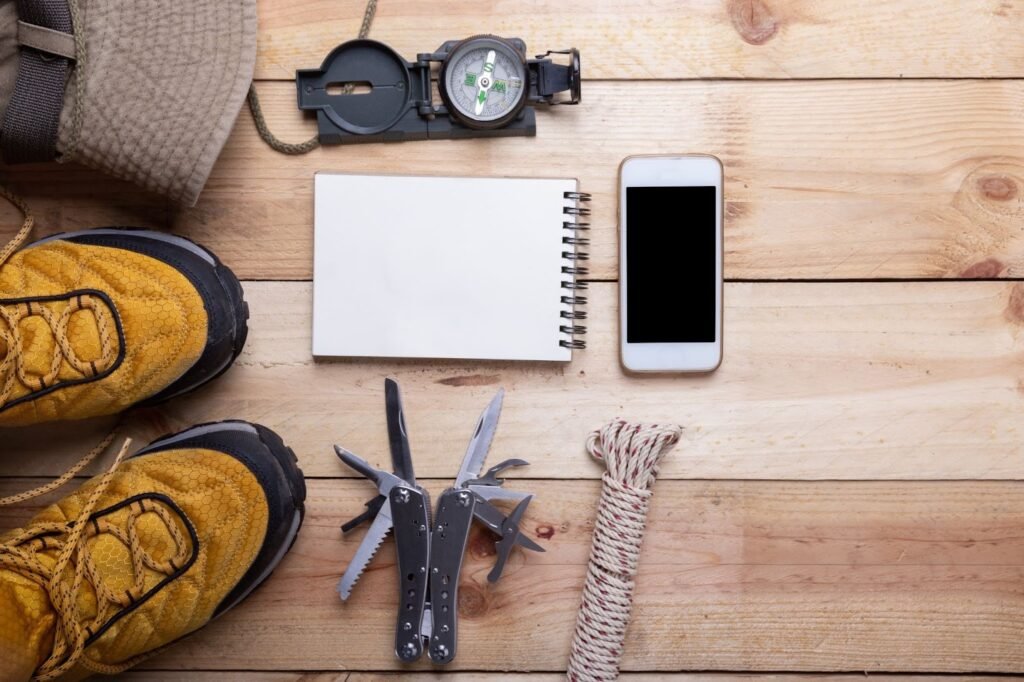
CAMPING AND NATURE SITES
Camping and nature sites offer an exhilarating way to immerse yourself in the great outdoors while keeping your travel expenses low. Picture yourself nestled among towering trees, breathing in the crisp, fresh air, and listening to the rustle of leaves.
Whether you’re pitching a tent in a national park or finding a peaceful spot by a lake, camping can be an unforgettable experience.
To make the most of your adventure, remember the importance of camping etiquette. Respect fellow campers by keeping noise levels down and maintaining cleanliness. Always leave your campsite as you found it, ensuring you practice nature conservation. This not only protects the environment but also preserves these beautiful sites for future travelers.
Research local regulations before you go; some areas might require permits or have specific guidelines.
Embrace the minimalist lifestyle by packing only the essentials, allowing you to travel light and free. Taking time to relax at your campsite can also be a soothing self care activity, letting you recharge amid nature’s tranquility. As you explore, take time to soak in the stunning landscapes, and don’t forget to document your journey.
With a little preparation and respect for nature, you’ll create lasting memories without breaking the bank. Happy camping!
Couchsurfing and Homestays
Embracing the spirit of adventure and connection, couchsurfing and homestays provide budget-friendly accommodation options that can transform your travel experience. By choosing to stay with locals, you not only save money but also immerse yourself in the culture like never before.
Imagine sharing stories over a home-cooked meal or discovering hidden gems that only locals know about.
Couchsurfing etiquette is essential to guarantee a positive exchange. Always send personalized requests to your hosts, be respectful of their space, and express gratitude for their hospitality. A little kindness goes a long way in building connections that can last a lifetime.
Homestay benefits extend beyond savings; you get a unique glimpse into everyday life in a new place. Whether it’s learning to cook local dishes or participating in family traditions, these experiences enrich your journey.
Plus, hosts often become friends, providing valuable insights and tips for your adventures.
Affordable Eating Strategies
When you’re on the road, finding ways to eat well without breaking the bank can feel like a formidable challenge. But with a little creativity and resourcefulness, you can enjoy delicious meals while keeping your budget in check. Start by embracing meal prepping. When you plan your meals in advance, you can save both time and money.
Head to local markets for fresh, affordable ingredients. Not only will you support local farmers, but you’ll also discover unique flavors that’ll elevate your culinary experience. Here’s a handy table to guide you through some affordable eating strategies:
| Strategy | Description |
| Meal Prepping | Prepare meals ahead of time to save money and reduce food waste. |
| Local Markets | Shop for fresh produce and local delicacies for lower prices. |
| Street Food | Indulge in local street vendors for authentic and budget-friendly meals. |
| Cooking with Locals | Join locals for a cooking session to learn new recipes and share costs. |
Don’t shy away from trying street food; it’s often the most authentic way to taste the local culture and can even inspire simple self care ideas by turning meals into mindful, enjoyable moments during your travels. Additionally, consider cooking with locals. It’s a great way to bond and share expenses. Remember, every meal is an opportunity to connect with the place you’re visiting. So, get adventurous, keep your meals simple, and let your taste buds guide you on a flavorful journey while staying within your budget!
Navigating Local Transport
Mastering local transport can transform your travel experience from overwhelming to exhilarating. Imagine gliding through bustling streets, feeling the pulse of a city as you hop on and off buses or trains. Embracing local transport options not only saves you money but also immerses you in the everyday life of your destination.
Start by researching the public transport system before you arrive. Many cities have apps or websites that provide routes, schedules, and fare details. This knowledge empowers you to steer confidently. Public transport tips include purchasing a day pass if you plan to travel frequently—it can be a game-changer for your budget.
Don’t shy away from asking locals for advice; they can often point you to the most efficient routes or hidden gems. If you’re in a place where the transport system seems complicated, consider using taxis or rideshares for longer distances, but keep an eye on your budget.
Always keep your belongings secure while on public transport, especially in crowded areas. During a recent trip in British Columbia, a new friend offered a confession about why she didn’t hike in the Bay Area, where she works alongside Strava-obsessed tech bros: She couldn’t share their excitement about gear, about enthusiastically amassing things in a city for a journey into the woods. I couldn’t agree more. Most gear is secondary or even tertiary to getting outside. Sure, the hiking-industrial complex is real and, to an extent, important, forever concocting a better widget for you to take into the wilderness. But the equipment you need to start hiking is pretty minimal—a backpack packed with snacks, water, a rain jacket, a layer or two should the weather change, a simple first aid kit, and maybe a headlamp in case you don’t finish as soon as you expected.
And remember, the journey can be part of the adventure—take time to enjoy the scenery, people-watch, or strike up a conversation with a fellow traveler.
Ultimately, maneuvering local transport opens up a world of possibilities. You’ll discover neighborhoods that tourists rarely see, explore vibrant markets, and taste authentic cuisine—all while feeling the sweet freedom that comes with exploring on your own terms.
Embrace Cultural Experiences
Cultural experiences elevate your travels from mere sightseeing to profound connections with the places you visit. When you immerse yourself in local customs and traditions, you’ll discover the heartbeat of a destination.
Attend cultural festivals, where vibrant colors, regional music, and passionate performances reveal the spirit of the community. These events are a gateway to interaction, allowing you to engage with locals who are enthusiastic to share their stories and heritage.
Don’t shy away from authentic cuisine; it’s a delicious way to connect with the culture. Seek out street food stalls and family-run restaurants where you can savor dishes that tell a story, crafted from recipes passed down through generations.
If language barriers seem intimidating, embrace them! A few words in the local tongue can spark genuine smiles and meaningful exchanges.
Consider volunteering during your travels, as it opens doors to unique community interactions. Working alongside locals not only gives back but also provides a firsthand look at the challenges and triumphs they face.
You’ll gain insights into traditional arts and crafts that might otherwise remain hidden from a tourist’s view.
Stay Safe While Traveling
Experiencing the rich tapestry of local cultures can be exhilarating, but it’s just as important to prioritize your safety while traveling. Before you set off on your adventure, consider investing in travel insurance. This isn’t just a safety net; it’s peace of mind. You never know when a sudden illness or unexpected event may arise, and having that coverage can save you from financial headaches.
Next, create a list of emergency contacts. These should include the local embassy, your accommodation, and friends or family back home. Store these numbers in your phone and jot them down on a piece of paper to keep in your wallet. This way, you’ll have easy access to help if something goes wrong.
Stay aware of your surroundings. While you’re immersed in new experiences, don’t let excitement cloud your judgment. Trust your instincts—if a situation feels off, it probably is. Use a money belt for your valuables, and keep your belongings close.
Lastly, familiarize yourself with the area. Know the safe neighborhoods and the ones to avoid, especially after dark. Research public transportation options and understand local customs. This knowledge can help you navigate your environment confidently and avoid potential pitfalls.
RELATED STUDIES ABOUT BACKPACKING TIPS
As you commence your budget-friendly adventure, remember that 70% of travelers find that embracing local experiences enriches their journey far more than luxury accommodations. By choosing the right backpack, packing light, and seeking affordable eats, you’re not just saving money—you’re opening yourself up to authentic connections. Stay savvy while exploring your new surroundings, and let the world unfold its wonders before you. Adventure awaits, and it’s yours for the taking!
How Would Travel Contexts Affect People’s Perceptions and Evaluations of Urban Green Space?
Background:
Urban green space is widely recognized for its positive effects on mental health, well-being, and life satisfaction. However, the pathways through which green space exerts these benefits are complex and context-dependent. While considerable research has examined green space exposure at residential locations, how travel contexts—such as travel purpose, mode, and duration—shape people’s real-time perceptions and evaluations of green space remains underexplored. This gap limits the ability of urban and transport planners to allocate green resources efficiently across different mobility settings.
Objective:
This study investigates whether and how travel contexts moderate the relationship between objectively measured green space exposure and individuals’ self-reported perceptions and evaluations of green space during travel. It further examines whether these associations are consistent across different green space indicators and robust to methodological uncertainties (e.g., recall bias, geographic context, individual heterogeneity).
Methodology:
- Study Area: Hong Kong, China—a highly urbanized, compact city with diverse travel modes and evergreen vegetation.
- Sample: 800 participants recruited via stratified sampling from four representative communities (old towns, new towns, and a renovated area).
- Data Collection:
- Activity-travel diaries (2 days: 1 working, 1 non-working) capturing travel events, modes, purposes, durations, and real-time green space perception (yes/no) and evaluation (6-point scale).
- GPS-derived trajectories (1-second resolution) for rigorous cross-validation to correct recall biases in self-reported event timing.
- Green Space Exposure:
- Derived from 3 m resolution PlanetScope imagery (NDVI and binary green space inventory).
- Eight exposure indicators per travel event: mean, max, standard deviation, and entropy of NDVI and green space area ratio (GSAR) along GPS-verified routes.
- Statistical Analysis:
- 80 regression models (binary/ordinal logistic + mixed effects) across three analytical phases, controlling for socio-demographics, geographic/temporal contexts, and random intercepts for individuals.
- Examined main effects, direct effects of travel contexts, and interaction effects (travel context × green space exposure).
Key Findings:
- Green Space Exposure Robustly Predicts Perception and Evaluation:
- Higher objective green space exposure during travel is consistently and significantly associated with higher probability of perceiving green space and more positive evaluations.
- Effects are robust across model specifications, exposure indicators, and after controlling for confounders and individual heterogeneity.
- Mean exposure (E avg ) is the most stable and interpretable indicator; variation-based indicators (SD, entropy) show no significant associations.
- Travel Contexts Directly Affect Green Space Perception and Evaluation:
- Travel purpose: Commuting, shopping, picking up children, and especially outdoor exercise are associated with significantly higher green space perception and positive evaluation.
- Travel mode:
- Walking: Strongly and consistently promotes positive perception and evaluation.
- Bus: No significant association.
- Metro train (MTR): Significantly depresses green space perception (negative effect); no significant effect on evaluation.
- Travel time: Longer travel time is associated with lower green space perception and evaluation, particularly for motorized modes.
- Travel Contexts Moderate the Effect of Green Space Exposure:
- Exercise purpose significantly amplifies the positive effect of green space exposure on both perception and evaluation.
- Bus travel significantly attenuates the effect of green space exposure on perception (negative interaction).
- Travel time in buses and taxis negatively moderates the exposure–perception relationship.
- No significant moderation effects for metro trains, cars, or most other travel purposes.
- Methodological Contributions:
- Demonstrates the critical importance of cross-validating self-reported travel data with GPS trajectories to mitigate recall bias.
- Highlights algorithmic and representational uncertainties in green space exposure measures; not all indicators perform equally.
- Confirms the uncertain geographic context problem (UGCoP) and neighborhood effect averaging problem (NEAP) in mobility-oriented environmental health research.
Interpretation & Theoretical Implications:
- Walking enables sensory engagement with green space (slower speed, wider field of view), facilitating restoration and positive appraisal—consistent with Attention Restoration Theory.
- Metro trains constrain visual access (limited field of view, high speed, underground segments), depriving users of potential green space benefits.
- Buses occupy an intermediate position; exposure matters less than travel time, suggesting discomfort or stress may override environmental inputs.
- Travel for exercise reflects motivated, attentive engagement with green space, amplifying its restorative potential.
- The findings challenge the assumption that green space is uniformly beneficial across all activity contexts; benefits are context-dependent and mediated by mobility.
Policy & Planning Implications:
- Prioritize walkable green space: Allocate limited urban green resources along pedestrian routes and enhance connectivity between green spaces and walking networks.
- Reconsider green investments along metro corridors: Greening along rail lines yields limited perceptual or evaluative returns; resources may be better deployed elsewhere.
- Promote active travel: Encourage walking and cycling for daily commuting and leisure to maximize the mental health co-benefits of urban greening.
- Innovate in compact cities: Where land is scarce, consider rooftop gardens, green sky corridors, and vertical greening to enhance walkable green space density.
- Integrate mobility into environmental health frameworks: Green space exposure assessments must move beyond residential buffers to incorporate dynamic, activity-based, and context-aware measures.
Limitations & Future Research:
- Cross-sectional design precludes causal inference on accumulated or long-term effects.
- Seasonal variation not examined (Hong Kong’s evergreen context).
- Socio-demographic disparities in exposure–perception pathways not elaborated.
- Limited sample size for cars and taxis; future studies should recruit larger, more diverse samples across cities with different geographic and climatic contexts.
- No street view imagery used due to privacy and data availability constraints along non-walking routes.
Conclusion:
This study provides robust, empirically grounded evidence that travel contexts significantly shape how urban residents perceive and evaluate green space. Walking facilitates positive green space experiences; metro trains suppress them. These findings carry urgent implications for sustainable urban planning, particularly in high-density cities where competition for land is intense. To maximize the mental health and well-being benefits of limited green resources, planners must move beyond residential availability and consider where, how, and why people move through the city. A mobility-oriented, context-sensitive approach to green space planning is not merely beneficial—it is essential.
| REFERENCE: Yang Liu, Jianying Wang, Mei-Po Kwan, Dong Liu, Liuyi Song, How would travel contexts affect people’s perceptions and evaluations of urban green space?, Geography and Sustainability, 2026, 100419, ISSN 2666-6839, https://doi.org/10.1016/j.geosus.2026.100419. (https://www.sciencedirect.com/science/article/pii/S2666683926000143) |
Upper Limb Manual Dexterity, Strength and Blood Flow after Walking with Backpack Load
Background:
Military personnel, first responders, and rescue workers routinely carry heavy backpacks (up to 60% body weight) while walking, often followed by tasks requiring precise hand function—such as assembling equipment, administering medical care, or handling weapons. While lower limb biomechanics during load carriage are well studied, the effects of prolonged walking with heavy backpack loads on upper limb function remain poorly understood. Existing research has primarily assessed hand function while standing stationary with a backpack, which does not reflect real-world occupational demands.
Objective:
This study aimed to characterize the short-term effects of walking with a heavy backpack load on upper limb strength, manual dexterity, tactile sensation, and peripheral blood flow, with and without simultaneous simulated rifle carriage.
Methodology:
- Participants: 15 healthy males (mean age 26 years) with prior backpack load experience.
- Design: Repeated-measures, randomized crossover trial.
- Conditions (each 45-minute treadmill walk at 1.1 m/s):
- Control (CON): No load
- Backpack only (BP): Military-style external frame backpack loaded to 40% body weight
- Backpack + rifle carriage (BRC): Same backpack load plus a 3.01 kg weighted bat (simulating an M4 rifle) secured in a 2-point sling
- Outcome Measures (assessed pre-walk, post-walk, and after 10-min seated recovery):
- Grip strength (hand dynamometer)
- Lateral pinch strength (pinch dynamometer)
- Manual dexterity (grooved pegboard completion time)
- Digital blood flow volume (photoplethysmography, PPG)
- Light touch sensory threshold (Semmes-Weinstein monofilaments)
- Heart rate and rate of perceived exertion (RPE, Borg scale)
Key Findings:
- Grip Strength:
- No significant differences across conditions or time points.
- Hand grip strength remained stable despite heavy load carriage and elevated exertion.
- Pinch Strength:
- Significant main effect of time for dominant-hand maximum pinch strength (higher after recovery than immediately post-walk, p=0.0006).
- Non-dominant hand pinch strength was significantly lower in the BP condition compared to control at the recovery time point (p<0.05).
- Manual Dexterity:
- Grooved pegboard completion times were significantly faster after 10-minute seated recovery than immediately post-walk (p=0.026).
- No significant differences among load conditions (CON, BP, BRC).
- Blood Flow Volume:
- Immediate and dramatic reduction upon donning the backpack:
- BP: 52.3% of baseline (p=0.001)
- BRC: 41.3% of baseline (p<0.001)
- Blood flow returned to baseline immediately after doffing the backpack (post-walk).
- In the BRC condition, blood flow declined again during seated recovery (60.8% of baseline, p=0.017), suggesting sustained vasoconstriction or residual compression effects.
- Sensory Threshold:
- No significant changes in light touch sensation (median or ulnar nerve distributions) across conditions or time points.
- Physiological Response:
- Heart rate significantly increased from pre- to post-walk in both BP and BRC conditions (p<0.05), returning to baseline after recovery.
- RPE reached “hard” (14.8/20) after 45 minutes of load carriage, significantly higher than control.
Interpretation & Implications:
- Grip strength resilience: Despite substantial physical exertion and reduced digital blood flow, gross grip strength was unaffected, suggesting that short-duration, high-intensity manual tasks may still be feasible immediately after load carriage.
- Pinch strength vulnerability: Lateral pinch strength—critical for tasks such as weapon manipulation, equipment handling, and medical instrument use—showed subtle but significant decrements, particularly in the non-dominant hand. This may reflect muscle fatigue or altered motor unit recruitment rather than nerve compression alone.
- Manual dexterity recovers quickly: The significant improvement in pegboard performance after only 10 minutes of seated rest indicates that fine motor deficits are transient and reversible with brief recovery. This has practical implications for operational planning (e.g., rotating tasks, providing short rest periods).
- Blood flow compression vs. exercise hyperemia: The immediate drop in digital blood flow upon donning the backpack confirms subclavian artery compression by shoulder straps. However, blood flow normalized during walking, likely due to exercise-induced increases in systolic blood pressure overcoming external compression. The post-exercise decline in BRC condition warrants further investigation.
- No acute sensory loss: The absence of tactile threshold changes suggests that short-term load carriage does not produce immediate peripheral neuropathy, though repetitive or prolonged exposure may still contribute to cumulative injury (e.g., pack palsy).
Practical Applications:
- For military and first responder training:
- Tasks requiring fine motor precision (e.g., weapon assembly, medical care) should, where possible, be scheduled after brief recovery periods rather than immediately upon cessation of load carriage.
- Pinch strength may be a more sensitive indicator of upper limb fatigue than grip strength and should be considered in physical employment standards.
- For equipment design:
- Backpack strap systems that reduce subclavian artery compression (e.g., wider, padded straps; load-sharing hip belts) may mitigate acute blood flow reductions and long-term neurological risk.
- Rifle sling configurations that minimize sustained upper limb tension should be explored.
- For future research:
- Investigate sex-based differences in upper limb response to load carriage.
- Examine cumulative effects of repeated load carriage across days or weeks.
- Assess real-world task performance (e.g., simulated combat medicine, equipment repair) rather than isolated strength/dexterity tests.
- Explore biomechanical mechanisms underlying pinch strength decrements (e.g., scapular stabilizer fatigue, altered hand posture).
Conclusion:
Walking with a heavy backpack load (40% body weight) for 45 minutes produces selective, transient impairments in upper limb function. While gross grip strength and tactile sensation remain intact, pinch strength and manual dexterity are modestly but significantly affected, and digital blood flow is severely but reversibly reduced. These findings challenge the assumption that stationary assessments adequately capture load carriage effects and underscore the importance of dynamic, task-relevant, and recovery-sensitive evaluation protocols. For personnel whose duties require rapid transitions from load carriage to precision hand tasks, even small decrements in function may have operational consequences. This study provides empirical evidence to inform equipment design, training schedules, and occupational health guidelines for backpack-intensive occupations.
| REFERENCE: Jennifer L. Hein, Nicolas N. Sesno, Richard F. Armenta, Jeff A. Nessler, Deanna S. Asakawa, Upper limb manual dexterity, strength and blood flow after walking with backpack load, Applied Ergonomics, Volume 97, 2021, 103505, ISSN 0003-6870, https://doi.org/10.1016/j.apergo.2021.103505. (https://www.sciencedirect.com/science/article/pii/S0003687021001526) |
Impact of the COVID-19 Pandemic on Travel Medicine Services in Taiwan, 2019–2022
Background:
The COVID-19 pandemic caused unprecedented disruption to international travel and, consequently, to travel medicine services worldwide. While anecdotal and single-center reports described clinic closures, staff redeployment, and declining patient volumes, no nationwide longitudinal studies have comprehensively quantified how pandemic-era policies, travel restrictions, and vaccination campaigns reshaped travel medicine demand and service delivery. Taiwan’s centralized travel medicine network—comprising 32 contracted hospitals with mandatory electronic reporting—provided a unique opportunity to assess these dynamics at population scale.
Objective:
To evaluate changes in travel clinic visits, travel vaccination administration, and International Certificate of Vaccination or Prophylaxis (ICVP) issuance across four phases of the pandemic (pre‑pandemic, early pandemic, mid‑pandemic, late pandemic) and to derive evidence‑based recommendations for future pandemic preparedness.
Methodology:
- Design: Population-based longitudinal study using nationwide mandatory surveillance data.
- Setting: All 32 Taiwan CDC Travel Medicine Contract Hospitals, 2019–2022.
- Data Sources:
- Vaccination and Certificate System (VACC): individual-level records of all travel clinic visits, vaccine administrations (yellow fever [YFV], meningococcal ACWY [4MCV], typhoid [TyV], IPV, COVID‑19), and ICVP issuances.
- National Immigration Agency: monthly outbound traveler counts.
- Analysis: Paired t-tests comparing 2019 (baseline) vs. 2020, 2021, and 2022; stratified analyses excluding COVID‑19 vaccinations and free‑campaign doses; examination of traveler demographics and travel purposes.
Key Findings:
- Travel Clinic Visits:
- Declined 52% in 2020 (18,430 vs. 38,340; p<0.05).
- Increased 80% in 2021 (68,949) and 143% in 2022 (92,981)—significantly exceeding pre‑pandemic levels.
- Visits per 10⁵ outbound travelers rose 3‑fold (2020), 95‑fold (2021), and 30‑fold (2022)—reflecting that those who did travel sought pre‑travel care at unprecedented rates.
- Travel Vaccinations:
- Total doses: –70% (2020), +229% (2021), –22% (2022; NS).
- After excluding COVID‑19 vaccines and free‑campaign doses, true travel vaccine demand showed a sustained decline through 2021 (–75%) and 2022 (–66%).
- YFV and 4MCV doses, when excluding free campaigns, remained significantly below 2019 levels in both 2021 and 2022 (p<0.05).
- TyV and IPV never recovered, remaining 59% and 51% below baseline in 2022.
- ICVP Issuance:
- –74% in 2020; then +312% (2021) and +541% (2022).
- Surge driven almost entirely by COVID‑19 vaccination documentation (77% of ICVPs in 2021; 87% in 2022).
- After removing COVID‑19 and free‑campaign certificates, ICVP volumes were similar to or lower than 2019 (‑6% in 2021, NS; –31% in 2022, NS).
- Shift in Traveler Profile & Purpose:
- 2019: Predominantly tourists (44%), young adults, receiving YFV.
- 2020: Shift to education (41%, ages 18–29) and 4MCV (96%)—students pursued overseas studies despite pandemic.
- 2021: Dominance of business travelers (49%, ages 30–49) receiving COVID‑19 vaccine (92%).
- 2022: Return toward 2019 profile, but tourism proportion remained suppressed (33% vs. 44% in 2019).
- Vaccine Wastage Mitigation:
- Sharp demand drop in 2020 created high risk of YFV/4MCV expiry.
- Taiwan CDC launched free vaccination campaigns (May–Nov 2021, May/Jul 2022), which:
- Increased YFV doses 18% (2021 vs. 2019; NS) and 4MCV doses to near‑baseline;
- Minimized wastage while maintaining population protection.
Interpretation & Policy Implications:
- Demand for “True” Travel Medicine Contracted, but System Capacity Expanded:
- Underlying demand for traditional travel vaccines (YFV, 4MCV, TyV, IPV) never recovered to pre‑pandemic levels by end‑2022.
- The observed surge in clinic visits and ICVP issuance was a pandemic‑specific artifact—driven by COVID‑19 vaccination and free campaigns, not a rebound in routine travel health care.
- Implication: Travel clinics should not interpret 2021–2022 volumes as a new baseline; instead, they must prepare for prolonged suppression of routine travel vaccine demand in future global health emergencies.
- Vaccine Stockpile Management Requires Agility:
- Multi‑year, fixed‑quantity procurement contracts failed under extreme demand shock.
- Flexible strategies—real‑time inventory monitoring (VACC), negotiated delivery adjustments, and targeted free campaigns—proved effective and should be institutionalized.
- Recommendation: Health authorities should establish pandemic‑triggered renegotiation clauses in vaccine procurement contracts and pre‑authorize “use‑or‑lose” donation/redistribution protocols.
- Travel Purpose Heterogeneity Must Inform Service Planning:
- Student travelers (4MCV) and business travelers (YFV, COVID‑19) continued traveling despite pandemic.
- Recommendation: Travel medicine messaging and vaccine stockpiling should segment by traveler profile, not merely total departure numbers.
- During crises, essential travel (education, business, humanitarian) becomes the core clientele; clinics should tailor hours, staffing, and vaccine inventories accordingly.
- Digital vs. Paper ICVP: A Missed Opportunity for Transition:
- Despite Taiwan’s early adoption of EU‑DCC and VCI‑SHC digital certificates, paper ICVP issuance exploded (541% increase).
- Drivers: traveler habit, privacy concerns, inconsistent international recognition of digital credentials.
- Recommendation: WHO member states must accelerate mutual recognition agreements for digital health credentials.
- Domestically, governments should invest in public education on digital certificate security and convenience, and incentivize electronic issuance (e.g., fee differentials, integration with passport systems).
- Workforce & Infrastructure Preparedness:
- Taiwan’s Contract Hospital network successfully absorbed a 143% increase in visits without service degradation—attributable to centralized reporting, pre‑existing relationships, and surge capacity.
- Recommendation: Other countries should consider formalizing public‑private partnerships with designated travel clinics, including pandemic‑role protocols (e.g., surge vaccine administration, certification services).
Limitations:
- Data limited to CDC‑contracted hospitals; private travel clinics or general practice visits not captured.
- Only four vaccines (YFV, 4MCV, TyV, IPV) systematically recorded; hepatitis A, MMR, and malaria prophylaxis not analyzed.
- Traveler “purpose” self‑reported; may conflate stated vs. actual reason.
- Findings reflect Taiwan’s unique geographic, political, and health system context; generalizability requires cross‑country comparisons.
Conclusion:
The COVID-19 pandemic fundamentally reshaped—but did not permanently expand—Taiwan’s travel medicine landscape. After accounting for pandemic‑specific interventions, baseline travel vaccine demand remained depressed, while administrative burden (ICVP issuance) soared. Taiwan’s experience demonstrates that centralized coordination, real‑time data surveillance, and flexible vaccine procurement can mitigate disruption and minimize waste. However, the massive shift toward paper certification highlights the urgent need for global interoperability of digital health credentials. As the world prepares for future public health emergencies, travel medicine systems must become more resilient, more data‑driven, and less paper‑dependent.
| REFERENCE: Szu-Hsuan Huang, Yung-Ching Lin, Yi-Li Shih, Jiun-Shian Kuo, Li-Li Ho, Impact of the COVID-19 Pandemic on Travel Medicine Services in Taiwan, 2019–2022, Travel Medicine and Infectious Disease, 2026, 102956, ISSN 1477-8939, https://doi.org/10.1016/j.tmaid.2026.102956. (https://www.sciencedirect.com/science/article/pii/S1477893926000062) |