
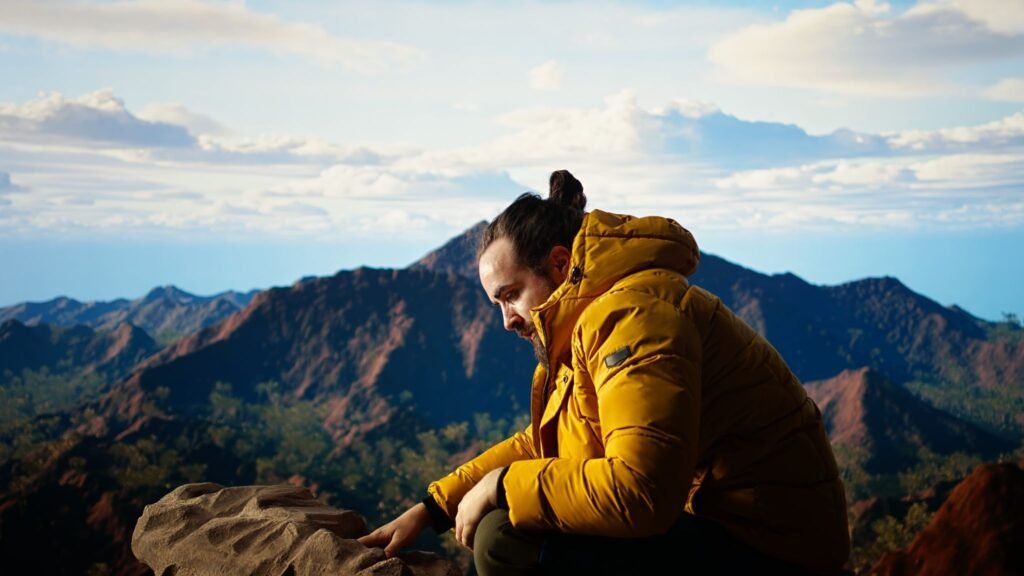
Whenever I sit down with readers or clients who feel completely emotionally depleted, their first impulse is often to book a flight somewhere far away, hoping the physical distance will magically reset their nervous system. But as someone who studies the intersection of psychology and travel, I always gently remind them: a destination is not an automatic cure. I still vividly recall the morning of my very first solitary expedition. I was sitting on my packed suitcase in a quiet apartment, my heart hammering against my ribs, caught in a spiral of anticipatory dread. What if I miss my train? What if I get hopelessly lost? What if I’m completely isolated with thoughts I’ve spent months avoiding?
Those worries are deeply human, especially when navigating existing mental health hurdles or burnout. Solo adventure isn’t about being fearless; it’s about choosing to carry your uncertainties into an environment where you finally have room to breathe and listen to them.
Travel only transforms our well-being when we pair the external journey with deliberate, internal self-care rituals like mindfulness and self-compassion. It is not an escape from yourself—it is a conscious invitation to meet yourself honestly on open ground.
Self-care psychology and solo adventures can truly transform your mental health and promote personal growth. By developing emotional resilience through practices like mindfulness and journaling, you’ll learn to navigate life’s unpredictability. Solo travel offers you the chance to embrace freedom, boost self-confidence, and discover hidden layers of yourself. Every journey becomes an opportunity for reflection and healing, revealing new perspectives. Explore how these experiences intertwine to enhance your well-being and enrich your life in meaningful ways.
KEY TAKEAWAYS
- Self-care practices like mindfulness and journaling enhance emotional intelligence and promote self-awareness for personal growth and healing.
- Solo travel fosters self-confidence and resilience by navigating unfamiliar environments, helping individuals adapt to life’s challenges.
- Engaging with nature and local cultures during solo adventures deepens connections and enriches experiences, supporting mental well-being.
- Documenting thoughts and reflections in a journal during travel aids in processing emotions and insights, promoting self-discovery.
- Prioritizing self-care in adventure planning ensures nourishing experiences that combat overwhelm and encourage authentic self-expression.
UNDERSTANDING SELF-CARE PSYCHOLOGY: A FOUNDATION FOR MENTAL HEALTH
When you think about mental health, it’s easy to overlook the importance of self-care, yet understanding self-care psychology is essential for your overall well-being.
Self-care isn’t just about pampering yourself; it’s about developing self-awareness techniques that help you recognize your emotional needs. By tuning into your feelings, you can identify what truly nourishes your mind and spirit.
Emotional intelligence plays an important role here. It allows you to navigate your emotions and understand how they affect your thoughts and actions.
When you practice self-care through mindfulness or journaling, you enhance your emotional intelligence, empowering you to make healthier choices.
These practices create a solid foundation for mental health, giving you the freedom to express yourself authentically.
Embrace self-care as a daily ritual, and watch how it transforms your perspective and resilience, leading you to a more fulfilled life.
You deserve this journey of self-discovery and growth.
How Self-Care Practices Enhance Personal Growth
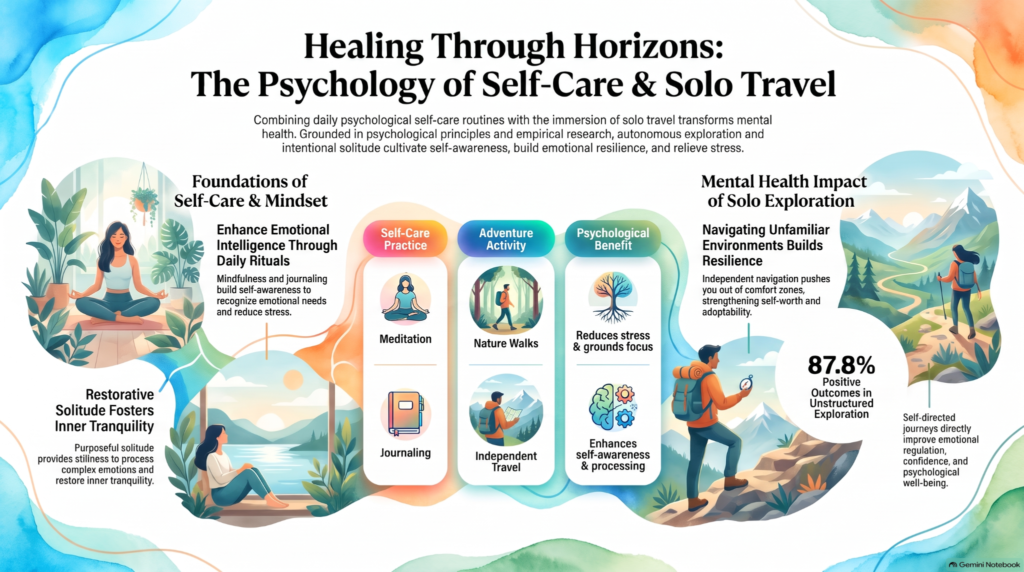
Solo activities enhance mental well-being through evidence-based practices like mindful walking, journaling, and meditation that build self-awareness, reduce stress, and develop healthy coping skills essential for emotional resilience and personal growth.
Self-care practices aren’t just beneficial for maintaining mental health; they also serve as powerful catalysts for personal growth. By incorporating self-care routines into your daily life, you create space for personal reflection, helping you understand your thoughts, feelings, and desires.
This awareness allows you to identify patterns that may hold you back and empowers you to make positive changes. Engaging in activities like journaling or mindfulness can deepen your connection to yourself, fostering a sense of freedom and authenticity.
As you prioritize self-care, you’ll likely notice increased confidence and resilience, which are crucial for personal development. Furthermore, these practices encourage you to set boundaries and prioritize your needs, fundamental for nurturing your growth journey.
Ultimately, self-care isn’t just about feeling good; it’s about becoming the best version of yourself, ready to embrace life’s adventures.
How Solo Travel Benefits Your Mental Health?
When you commence on a solo travel adventure, you’re not just exploring new places; you’re also discovering your own strengths. Spending time away from daily responsibilities and familiar stressors can help explain how travel lowers stress hormones, creating opportunities for relaxation, emotional balance, and personal growth.
This journey can greatly boost your self-confidence as you navigate unfamiliar environments and make decisions independently.
Additionally, facing challenges on the road enhances your emotional resilience, equipping you to handle life’s ups and downs with greater ease.
Boosts Self-Confidence
Starting on a solo travel adventure can greatly boost your self-confidence, as it pushes you out of your comfort zone and into new experiences. Maneuvering unfamiliar places, meeting new people, and facing challenges head-on empowers you. By engaging in self-affirmation techniques and confidence-building activities, you cultivate a stronger sense of self-worth.
Here’s a quick overview of how solo travel enhances your confidence:
| Activity | Confidence Boosting Benefit |
| Exploring a new city | Fosters independence and decision-making |
| Trying local cuisine | Expands your comfort zone and taste |
| Meeting locals | Enhances social skills and reduces anxiety |
| Overcoming travel mishaps | Builds resilience and adaptability |
| Reflecting on experiences | Reinforces self-affirmation and growth |
Embrace the freedom of solo travel to discover your true potential!
Enhances Emotional Resilience
While maneuvering the challenges of solo travel, you naturally build emotional resilience, an important aspect of maintaining mental health. Each decision you make—whether it’s steering through public transport or finding a place to eat—enhances your emotional regulation. You learn to adapt, face uncertainties, and embrace spontaneity, all vital for resilience building.
When obstacles arise, you might feel frustration or fear, but overcoming these moments fosters a deeper understanding of your emotions. This journey empowers you to respond rather than react, cultivating a sense of inner strength.
As you step out of your comfort zone, you discover that freedom lies not just in travel but in your ability to handle life’s unpredictability, reinforcing your mental well-being and resilience for years to come.
Tips for Meaningful Solo Adventures
How can you transform a solo adventure into a meaningful experience? Embrace the journey and let your soul roam free. Here are some tips to enrich your travels:
- Discover hidden trails, where rustling leaves whisper secrets.
- Engage with locals, sharing stories over a warm cup of coffee.
- Document your thoughts in a journal, capturing fleeting moments.
- Try a new activity, like painting a sunset or hiking a challenging path.
- Reflect in nature, allowing the serenity to wash over you. Taking time to journal, practice mindfulness, or enjoy a peaceful walk can turn a solo adventure into a rewarding self care activity that supports emotional healing and personal growth.
These solo travel essentials will help you craft meaningful experiences that resonate with your spirit.
By stepping outside your comfort zone, you open doors to self-discovery and personal growth.
Remember, every adventure is a chance to learn and heal; it’s about the journey as much as the destination.
Embrace the freedom, and let your heart guide you toward unforgettable moments.
EXPLORING NEW ENVIRONMENTS: THE MENTAL HEALTH BENEFITS OF TRAVEL
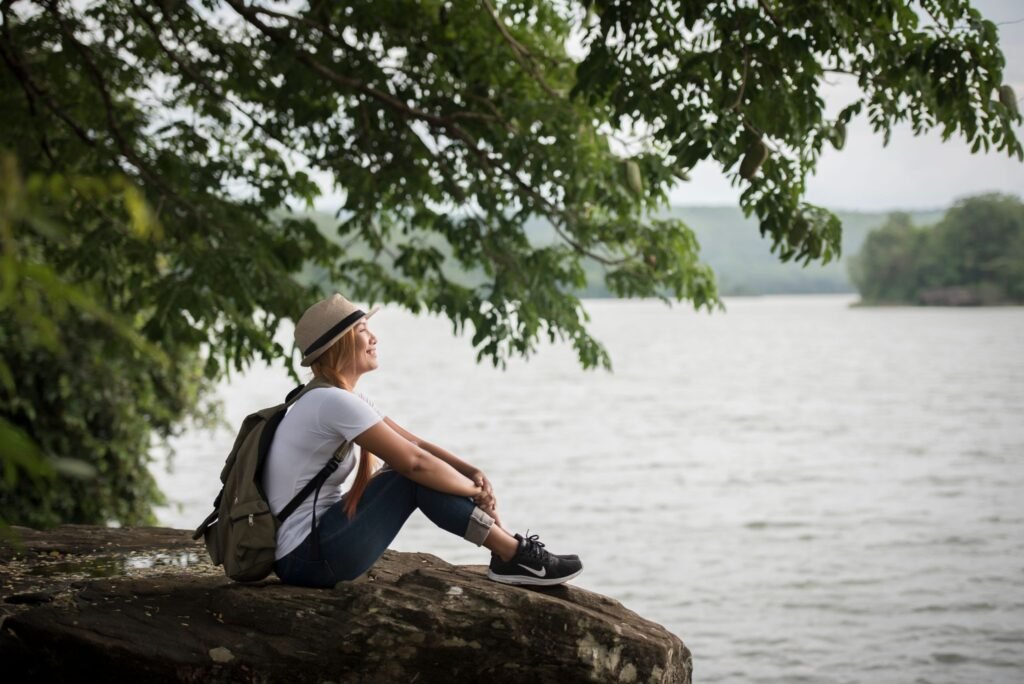
Early in my travel career, I used to pack my days from dawn until dusk with museum visits and transit schedules, mistaking constant movement for self-fulfillment. It took a quiet, damp afternoon sitting on the stone steps of a misty mountain town—travel-worn, completely exhausted, and sheltering under an awning with nothing but a pocket watercolor palette and my sketchbook—to realize how much I had been running from still moments. Sitting there, watching rainwater run across old cobblestones without anywhere urgent to be, a wave of profound calm washed over me that no crowded tourist landmark had ever provided.
When you strip away the familiar distractions of home, work obligations, and the expectations of travel companions, you are left in raw conversation with your own mind. That solitude can feel intimidating at first, and intrusive worries will inevitably bubble to the surface.
But when you slow down and cultivate grounded awareness—whether by sketching an unfamiliar doorway, jotting down reflections in a journal, or simply sitting with a warm tea—the quiet stops feeling lonely and begins to feel like home. You start learning that you can rely on your own intuition to navigate both an unfamiliar train station and your deepest personal emotions.
When you step into a new environment, it can feel like an invigorating change for your mind and spirit. Traveling offers you a chance to escape the routine, allowing for cultural immersion that broadens your perspective. Engaging with different customs, food, and people can ignite a sense of wonder, reminding you of the beauty in diversity. Experiencing unfamiliar cultures and navigating new surroundings can highlight the cognitive benefits of travel, encouraging mental flexibility, creativity, and a broader understanding of the world.
Moreover, nature therapy plays an essential role in your mental health. Whether it’s hiking through lush forests or wandering along serene beaches, being in nature helps reduce stress and anxiety. The sights and sounds of unfamiliar landscapes rejuvenate your senses, promoting mindfulness and a deep connection to the world around you.
As you explore, you’ll find that each new environment brings opportunities for growth and healing. Embrace the freedom that travel provides, and let these experiences shape your journey toward self-discovery and well-being.
Reflecting on Your Journey: Self-Discovery Through Solo Travel
Solo travel inevitably means you will be spending a significant amount of time on your own. While some may revel in the idea of potentially endless alone time, others may feel differently. But, those pesky and sometimes intrusive thoughts that creep in don’t have to put a damper on your adventure.
When you commence a solo travel adventure, you open the door to profound self-discovery.
Embracing solitude allows you to cultivate mindfulness, helping you connect with your surroundings and your inner thoughts.
Embracing Solitude’s Benefits
What if embracing solitude could lead you to profound self-discovery? In the quiet moments of being alone, you can explore the depths of your thoughts and emotions, revealing solitude benefits that foster personal reflection.
As you commence on this journey, picture yourself:
- Sitting by a serene lake, watching the sun dip below the horizon.
- Wandering through a vibrant forest, with leaves crunching underfoot.
- Staring at the vastness of the night sky, feeling the universe’s embrace.
- Enjoying a cup of coffee in a cozy café, lost in a book.
- Journaling your experiences on a sandy beach, waves lapping at your feet.
These moments of solitude don’t just provide peace—they reveal parts of yourself you may never have known.
Cultivating Mindfulness On-The-Go
Daydreaming provides a good balance to mindfulness, the practice of being aware of the present moment. Give your mind a short break by letting it wander freely for a few minutes – this helps release tension and anxiety and spur creativity.
How can solo travel transform your understanding of mindfulness? When you set out on a journey alone, you’re given the space to cultivate mindful breathing and sensory awareness.
Each moment becomes an opportunity to connect deeply with your surroundings. As you explore new landscapes, pay attention to the sounds, scents, and textures around you—feel the warmth of the sun or the cool breeze on your skin.
These experiences ground you in the present, enhancing your ability to embrace life’s little wonders. You’ll find that every step, every interaction, becomes a way to reflect on your journey.
This practice of mindfulness on-the-go fosters a sense of freedom and self-discovery, allowing you to truly appreciate the beauty of your adventure.
Journaling Your Travel Insights
As you immerse yourself in the experience of solo travel, the practice of journaling becomes a powerful tool for capturing the insights and emotions that arise along your journey.
By reflecting on your travel reflections, you allow yourself to process experiences and deepen your self-discovery. Here are some journaling techniques to enhance your journey:
- Capture the vibrant colors of a bustling market
- Describe the scent of fresh pine in a quiet forest
- Reflect on a stranger’s kindness that warmed your heart
- Note the lessons learned from getting lost
- Chronicle moments of solitude that sparked clarity
Embrace journaling as a means to articulate your thoughts and feelings, empowering you to grow and heal through your adventures.
How to Mix Self-Care With Solo Adventures in Your Life
While life often feels busy and overwhelming, mixing self-care with solo adventures can provide the perfect antidote. You deserve those moments of freedom and introspection. Start by integrating self-care routines into your adventure planning. Whether it’s a weekend hike or a solo trip to a new city, prioritize experiences that nourish your soul.
Here’s a simple table to guide you:
| Self-Care Activities | Adventure Ideas | Benefits |
| Meditation | Nature walks | Reduces stress |
| Journaling | Road trips | Enhances self-awareness |
| Reading | Exploring local cafes | Boosts creativity |
RELATED STUDIES ABOUT SOLO ADVENTURE MENTAL HEALTH
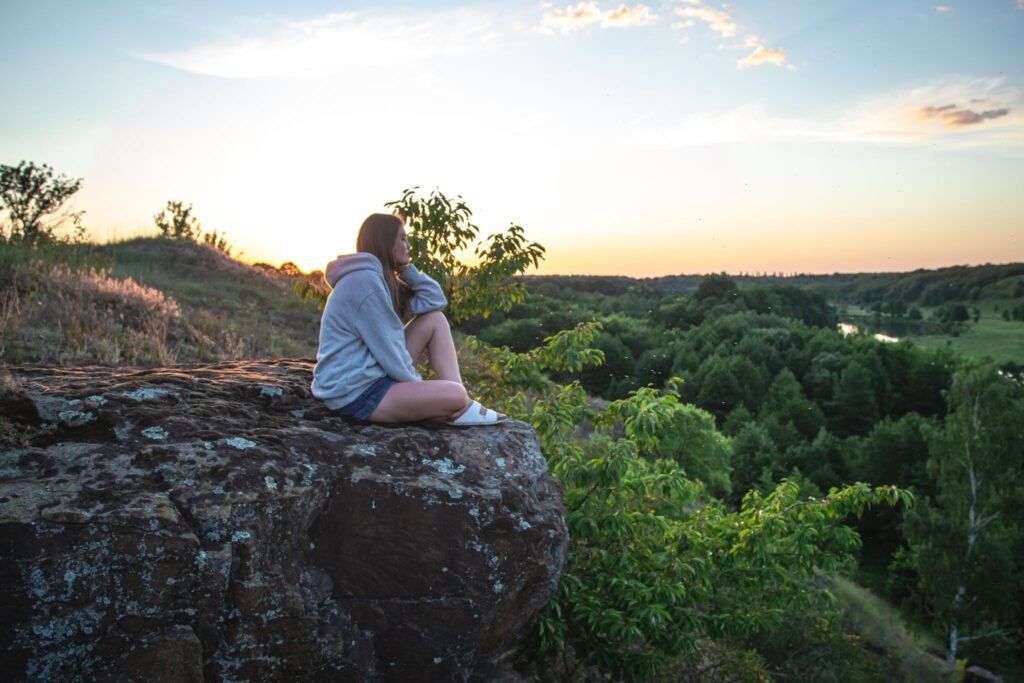
Incorporating self-care and solo adventures into your life can transform your mental health like a phoenix rising from the ashes. By embracing these practices, you access new dimensions of personal growth and self-discovery. Remember, every journey—whether it’s a trip to a new city or a quiet moment in nature—offers a chance to reconnect with yourself. So, pack your bags and your heart; the world is waiting to show you just how incredible you truly are.
Walking with purpose – Eight solo women’s pilgrimage hiking and wellbeing experiences on the via Francigena
This qualitative empirical study investigates the lived experiences, personal motivations, challenges, and perceived well-being impacts of women undertaking solo long-distance pilgrimage hiking along the via Francigena, utilizing interpretative phenomenological analysis (IPA).
Conceptual Framework & Theoretical Rationale
- The Expansion of Modern Pilgrimage: Over recent decades, long-distance pilgrimage walking has seen a marked resurgence across Europe, evolving from traditional, strictly religious devotion into a broader secular phenomenon. Contemporary pilgrims frequently undertake these journeys as an intentional response to the pressures of fast-paced urban living, seeking digital disconnection, personal reflection, and immersion in nature.
- The Distinct Infrastructure of the via Francigena: Unlike the highly popular Camino de Santiago—which offers dense commercial infrastructure, transport networks, and structured social camaraderie—the historic 1,180-mile via Francigena (Canterbury to Rome) is far less frequented. It features sparse walker-specific accommodations, remote rural segments, limited on-route guidance, and demanding Alpine topography, requiring travelers to demonstrate self-reliance, physical stamina, and navigational independence.
- Gaps in Solo Female Outdoor and Pilgrimage Scholarship: While literature on solo female leisure travel has grown, empirical investigations focusing on women engaged in solitary, multi-week long-distance walking remain scarce. Research addressing female solo experiences along quieter pilgrimage corridors like the via Francigena is non-existent, leaving unexamined the intersection between solitary endurance walking, gendered outdoor constraints, and psychological health.
- Multidimensional Well-Being Framing: Drawing upon the socio-ecological well-being models of McNaught (2011) and La Placa et al. (2013), well-being is conceptualized beyond individualistic positive psychology. The authors evaluate well-being as a dynamic construct spanning individual, physical, psychological, community, and social dimensions, conditioned by personal resilience and environmental interaction.
- Core Research Objectives:
- Identify the underlying drivers motivating women to undertake solo pilgrimage hiking on the via Francigena.
- Characterize the lived challenges, embodied experiences, and personal adaptations encountered during solitary travel.
- Understand how solo pilgrimage walking impacts participants’ multidimensional well-being, personal identity, and resilience.
Methodology & Phenomenological Architecture
- Qualitative Design: Employed Interpretative Phenomenological Analysis (IPA), an approach suited for exploring how individuals make sense of major life transitions and deeply personal, embodied experiences.
- Researcher Positionality & Shared Historicity: The study was conceived and led by the first author, an experienced long-distance pilgrim who had personally completed the via Francigena and multiple Caminos. This shared historicity provided insider perspective, facilitating rapport and nuanced interpretation of participants’ reflective accounts.
- Participant Cohort (N=8):
- Recruited purposively via social media communities dedicated to the via Francigena.
- Inclusion Criteria: Female solo walkers who had completed between 200 km and 1,800 km along the route.
- Demographic Profile: Diverse age spectrum ranging from 21 to 75 years old across eight distinct nationalities representing four continents.
- Walking Experience: Cumulative distance walked on the route ranged from 200 km to 1,662 km. Five participants had previously walked the Camino de Santiago, and all were regular long-distance walkers.
- Data Collection Protocol:
- In-depth, semi-structured interviews (25–30 minutes) conducted remotely via Zoom or WhatsApp, with one interview conducted while the participant was actively on the trail and seven completed post-hike.
- The interview guide centered on four open-ended thematic questions exploring motivations, personal aspirations, well-being investments, and spiritual/faith dimensions.
- Data Analysis & Ethical Oversight:
- Interviews were transcribed verbatim, subjected to marginal annotation and emergent memo-coding, and systematically clustered into subordinate and superordinate thematic structures in alignment with IPA standards.
- Ethical approval was granted by the University of Worcester Research Ethics Committee, ensuring full data anonymization and informed consent.
Key Empirical Findings
Four superordinate themes and associated subordinate clusters emerged from the phenomenological analysis:
- 1. Seeking Solitude (Alone, Silence, Simplicity):
- Intentional Solitude vs. Loneliness: Solitude was pursued as a purposeful, restorative state of mind that facilitated internal quiet, critical self-examination, and emotional processing away from modern distractions. However, one participant noted that extreme rural isolation occasionally blurred into loneliness, triggering concerns regarding personal physical safety.
- The Therapeutic Value of Silence: Participants valued external acoustic stillness—particularly within rural landscapes and ancient stone churches—as a catalyst for inner tranquility, emotional release, and spiritual grounding.
- Rejection of Material Complexity: Participants embraced a lifestyle reduced to fundamental essentials (pathway, hydration, basic shelter, and bodily movement). This functional simplicity served as a relief from urban consumerism and sensory overstimulation.
- 2. Seeking Adventure (Mindset, New Experience, Challenge):
- Adventure as an Internal Mindset: Rather than defining adventure through extreme physical peril, participants framed it as an attitude of curiosity, playfulness (e.g., comparing route navigation to a “treasure hunt”), and willingness to step into the unknown.
- Building Self-Efficacy Through Controlled Risk: Half the participants were driven to test their physical limits and outdoor navigation skills, while the other half sought experiential novelty. Successfully resolving trail difficulties (e.g., steep Alpine ascents, route-finding errors) generated intense feelings of pride, personal capability, and resilience.
- 3. Seeking Connection (Culture, Community, Spiritual):
- The Search for Community Among Solitary Walkers: Although walking alone, participants did not desire complete social isolation. Instead, they actively sought micro-communities of fellow pilgrims, finding solidarity, emotional openness, and non-judgmental listening in shared evening accommodations and hostels.
- The Communitarian Contrast with the Camino: Walkers who had previously completed the Camino de Santiago noted that the via Francigena felt less communal and more socially isolating, requiring greater emotional self-sufficiency.
- Secular and Nature-Based Transcendence: While two participants framed their journey within traditional religious faith (Catholicism), the remaining six derived profound spiritual transcendence from deep connections to the natural landscape, historical sacred sites, and shared human fellowship.
- 4. Seeking Connection to Oneself (Embodiment in Movement, Finding Oneself, Physical Benefits):
- Processing Grief, Burnout, and Life Transitions: Multiple participants undertook the walk in direct response to severe personal stress, including toxic work environments, somatic exhaustion (chronic headaches), major life transitions, or the active processing of profound grief and bereavement. The daily physical rhythm provided a safe container to experience and release suppressed emotions.
- Embodied Physicality and Somatic Healing: Six participants contended with chronic physical ailments or prior severe illnesses (e.g., arthritis, joint pain, leg conditions). Contrary to medical expectations, sustained multi-week walking fostered bodily trust, improved mobility, and reduced pain, shifting participants’ perceptions of their bodies from fragile or dysfunctional to capable and resilient.
Theoretical & Practical Implications
- Resolving the Dialectics of Solo Pilgrimage: The study demonstrates that solo pilgrimage is characterized by generative paradoxes. Women deliberately balance:
- Solitude and Community: Walking alone during the day to foster introspection, while seeking collective warmth and fellowship in shared spaces at night.
- Peace and Adventure: Pursuing meditative serenity while actively welcoming physical hardship, unpredictable terrain, and logistical uncertainty.
- Walking as a Modality of Somatic and Liminal Healing: Aligning with concepts of liminality in therapeutic outdoor recreation, prolonged walking operates as a dynamic, moving meditation. The repetitive physical movement engages the body, releasing nervous tension and allowing individuals to process psychological trauma, renegotiate social identities, and establish personal autonomy outside domestic and professional caregiving roles.
- Actionable Recommendations for Trail Authorities & Outdoor Providers:
- Preserve the Solitary Character While Enhancing Safety: Destination managers and pilgrimage associations (such as the European Association of the Via Francigena Ways) must balance route promotion with resource preservation, maintaining the rural tranquility that makes the trail restorative while improving safety signage, emergency contact access, and reliable trail markers.
- Support Communal Micro-Hubs: Developing low-cost, hospitable pilgrim refuges and hostels at regular stage intervals is critical to provide solo travelers with safe spaces to share stories, process experiences, and find mutual support.
- Incorporate Pilgrimage Walking into Social Prescribing: Healthcare practitioners and outdoor health facilitators should recognize long-distance, self-paced trail walking as an effective, non-clinical intervention for processing grief, burnout, and emotional fatigue.
Study Limitations
- Sample Size & Homogeneity of Disposition: The analytical sample was restricted to eight women. While providing qualitative depth, all participants demonstrated high baseline outdoor motivation, resilience, and positive mindsets, which may limit transferability to less confident or beginner walkers.
- Temporal Context: Data were gathered three years following the COVID-19 pandemic, a period characterized by heightened public desire for open-air activity and freedom from domestic confinement, potentially coloring participant reflections.
- Retrospective Reporting: Seven of the eight interviews were conducted after completion of the journey, introducing potential recall bias and positive memory reconstruction compared to real-time, on-trail experience sampling.
| REFERENCE: Sarah Grocutt, Colin Wood, Walking with purpose – Eight solo women’s pilgrimage hiking and wellbeing experiences on the via Francigena, Journal of Outdoor Recreation and Tourism, Volume 52, 2025, 100943, ISSN 2213-0780, https://doi.org/10.1016/j.jort.2025.100943. (https://www.sciencedirect.com/science/article/pii/S2213078025000891) |
The impact of free play on school-aged children’s mental wellbeing: A mixed-methods systematic review
This mixed-methods systematic review evaluates the extent, methodological quality, and impact directions of peer-reviewed empirical research examining the effects of free play on the mental well-being of school-aged children and adolescents (ages 4–20 years), serving as an evidence-based proxy for the playwork approach.
Conceptual Framework & Theoretical Rationale
- The Youth Mental Ill-Health Crisis & Prevention Timing: The global prevalence of mental health challenges among young people is rising. Because the majority of diagnosable mental disorders emerge prior to age 24, childhood and adolescence represent the critical developmental windows for implementing combined mental health promotion and prevention strategies.
- Playwork as a Promotive & Preventive Health Strategy: Originating in Denmark and prominent in the United Kingdom, playwork provides children with time, space, and permission to play freely through practice guided by the Playwork Principles. While widely recognized as a developmental necessity and a fundamental human right by the United Nations, playwork has historically lacked a consolidated empirical evidence base as a health intervention.
- Operationalizing Free Play Across the Play Spectrum: Due to challenges in nomenclature, the authors utilize Zosh et al.’s Play Spectrum. Free play is defined as child-directed, intrinsically motivated, autotelic (“play for play’s sake”), and ludic activity free from adult-directed explicit learning goals. It encompasses unstructured, adventurous, and risky play modalities.
- Multidimensional Mental Well-Being: Drawing upon Iasiello et al.’s positive mental health umbrella framework, mental well-being is examined across three core dimensions: well-being (affect, happiness), resilience/coping (stress response, self-regulation, autonomy), and quality of life (social relationships, functioning, and academic achievement as an indicator of future life quality).
- Core Research Objectives:
- Determine the extent and methodological characteristics of empirical literature linking free play to mental well-being in school-aged children (ages 5–18, capturing up to age 20).
- Synthesize the direction of impact (positive, negative, or no/unclear effect) across well-being dimensions.
- Appraise study quality, evaluate randomized trial risk of bias, and delineate an empirical research agenda for playwork.
Methodology & Review Architecture
- Systematic Review Protocols & Preregistration: Conducted following PRISMA guidelines and the Cochrane Handbook for Systematic Reviews of Interventions, preregistered on PROSPERO (CRD420251042607).
- Literature Search Strategy: Executed on June 18, 2025, across databases covering health, education, sport, and leisure. A preliminary search for the specific terms “playwork” and “playworker” yielded zero relevant empirical health studies, confirming the necessity of evaluating free play as a proxy.
- Inclusion & Exclusion Criteria:
- Inclusion: Peer-reviewed, English-language studies with post-intervention or exposure outcomes measuring mental well-being in school-aged populations (ages 5–18; studies with older adolescents or minor 4-year-old cohorts were retained when data disaggregated or predominantly school-aged); exposures/interventions containing child-directed, goal-free play.
- Exclusion: Preschool-only populations (<5 years), adult populations, clinically diagnosed health/behavioral conditions (e.g., ADHD, ASD, MDD), and play interventions with explicit adult-directed learning objectives.
- Study Pool & Characteristics:
- Screened 1,344 initial records; 18 studies (from 17 articles) met inclusion criteria, supplemented by 6 studies identified via snowballing, yielding 23 articles representing 24 unique studies with an approximate pool of 13,755 participants.
- Study Designs: 6 cross-sectional, 5 cluster randomized controlled trials (CRCTs), 5 cohort studies, 3 longitudinal studies, 3 pre-post studies, 1 randomized controlled trial (RCT), and 1 matched controlled trial.
- Methodological Distribution: 11 quantitative, 10 qualitative, and 3 mixed-methods.
- Age Representation: Heavily concentrated in primary school children aged 5–12 years; however, 8 studies captured older adolescent cohorts (up to age 20).
- Quality Appraisal & Bias Synthesis:
- Quality Assessment with Diverse Studies (QuADS): Evaluated all 24 studies across 13 domains (scores 0–39).
- Risk of Bias 2 (RoB 2): Assessed five CRCTs and one individual RCT across five methodological bias domains.
- Impact Direction Synthesis: Because high measurement heterogeneity precluded a quantitative meta-analysis, results were synthesized into impact directions (positive, negative, or no/unclear) across well-being dimensions.
Key Empirical Findings
- Overwhelmingly Positive Impact Direction (0 Negative Outcomes):
- Across all 24 studies, a total of 41 distinct mental well-being outcomes were identified:
- 36 outcomes indicated a positive impact direction (87.8%).
- 5 outcomes indicated no or an unclear effect (12.2%).
- 0 outcomes indicated a negative impact direction (0%).
- Breakdown Across Well-Being Dimensions:
- Well-Being (Affect & Emotion): 16 positive impacts, 2 no/unclear (e.g., increased happiness, positive affect, reduced internalizing symptoms, salivary oxytocin increases).
- Resilience & Coping: 8 positive impacts, 1 no/unclear (e.g., improved problem-focused coping, self-regulation, reduced trauma intrusion/hyperarousal).
- Quality of Life (Functioning & Academics): 12 positive impacts, 2 no/unclear (e.g., enhanced peer social connection, autonomy, non-inferior or improved academic performance).
- Contrasting Iatrogenic Risk: Unlike certain structured, cognitive adolescent mental health interventions that carry documented risks of symptom exacerbation or iatrogenic harm, free play demonstrated consistent therapeutic safety with zero negative effects.
- Across all 24 studies, a total of 41 distinct mental well-being outcomes were identified:
- Adult Initiation vs. Child Initiation:
- All 24 studies featured child-directed play without adult learning objectives, but initiation sources varied:
- Child-Initiated: 19 studies; yielded an 8:1 ratio of positive to no/unclear impacts.
- Adult-Initiated (adults providing materials, time, or “play stations” before stepping back): 5 studies; yielded a 4:1 ratio of positive to no/unclear impacts.
- This confirms that adult initiation of the play environment does not compromise the mental health benefits of free play, provided adults do not direct the play itself.
- All 24 studies featured child-directed play without adult learning objectives, but initiation sources varied:
- Quality Appraisal (QuADS Ratings):
- Study quality scores ranged from 23 to 38 out of 39 (mean = 32.5, median = 33.5), placing the literature within the upper two quartiles of methodological rigor.
- Systemic Weaknesses Identified:
- Lack of formal statistical power calculations or justified sample sizes.
- Insufficient stakeholder engagement (specifically children’s direct participation) during initial research design and planning phases.
- Risk of Bias in Randomized Trials (RoB 2):
- Two trials exhibited “some concerns” (Åvitsland et al., 2020; Wang et al., 2023).
- Four trials exhibited “high risk of bias” (Bundy et al., 2017; Farmer et al., 2017b; Metzler et al., 2023; Solberg et al., 2021).
- Primary Sources of Bias: Deviations from intended interventions (Domain 2; common in open-setting school interventions) and outcome measurement subjectivity (Domain 4; reliance on multiple unblinded, untrained observers).
Theoretical & Strategic Implications for Playwork
- Validating Playwork as a Universal Public Health Asset: The evidence demonstrates that unstructured free play functions as an effective, non-stigmatizing upstream mental health intervention that strengthens social connection, emotional resilience, and positive affect across childhood and adolescence.
- Legitimizing the Playworker Role: The finding that adult-initiated free play yields a 4:1 positive outcome ratio provides theoretical justification for the core playwork operational model—wherein adult practitioners intentionally curate environments, supply loose parts, and establish safe boundaries, yet remain non-directive during actual play.
- Adolescent Relevance: Demonstrating positive mental health associations among youth aged 13–20 refutes the assumption that free play benefits are restricted to early childhood, supporting the expansion of self-organized leisure and play spaces into secondary schools and youth communities.
Methodological Limitations of the Literature & Future Directions
- Paucity of Direct Playwork Terminology: None of the 24 identified studies explicitly labeled their interventions as “playwork,” reflecting an ongoing research-to-practice disconnect that requires playwork practitioners and researchers to co-design empirical studies using standardized keywords.
- Exclusion of the Physical Health Domain: Due to screening feasibility constraints, physical health metrics were omitted from the review scope. Because physical movement and neurobiological regulation are intertwined with mental well-being, future reviews should capture concurrent cardiovascular and somatic outcomes.
- Absence of Meta-Analytic Effect Sizes: Divergent outcome measurement tools (ranging from salivary oxytocin and standardized academic testing to self-report psychometrics and qualitative focus groups) precluded quantitative pooling of effect sizes.
- Setting Gaps: Traditional playwork settings—specifically staffed adventure playgrounds—were completely unrepresented in the empirical sample, which centered predominantly on school recess, loose-parts schoolyard interventions, and community leisure spaces.
| REFERENCE: Gabriel M. Glass Smith, Alexandra M. Long, Mike Wragg, Lachlan Kent, The impact of free play on school-aged children’s mental wellbeing: A mixed-methods systematic review, Mental Health & Prevention, Volume 43, 2026, 200520, ISSN 2212-6570, https://doi.org/10.1016/j.mhp.2026.200520. (https://www.sciencedirect.com/science/article/pii/S2212657026000474) |
Constrained mobilities in conservative societies: Gender, religion, and nationality in female solo travel
This qualitative empirical study investigates how gendered moral regulation, religious norms, and geopolitical restrictions shape female solo travel among Iranian Muslim women, extending classical leisure constraints theory through an intersectional framework.
Conceptual Framework & Theoretical Rationale
- Gaps in Female Solo Travel Scholarship: While independent travel is recognized as a catalyst for female autonomy and empowerment, literature has centered predominantly on Western or East/Southeast Asian settings. Research in conservative Muslim societies has only recently emerged, frequently treating women with travel experience while omitting those who have never traveled alone—thus obscuring the pre-emptive, invisible constraints that deter independent mobility before it begins.
- Extending Leisure Constraints Theory via Intersectionality:
- Classical Constraints Framework: Historically categorizes barriers into structural (financial/time), interpersonal (social interactions/disapproval), and intrapersonal (psychological fears/lack of confidence).
- Feminist & Intersectional Critique: Classical models often treat constraints as individual, negotiable hurdles to be managed personally. Drawing on Kimberlé Crenshaw’s intersectionality and post-structural feminist approaches, the authors conceptualize mobility as co-constituted by intersecting power structures—specifically gender, religion, nationality, marital status, and geopolitical positioning. In sanction-affected and patriarchal environments, these intersecting forces can transform what classical theory deems “negotiable” constraints into non-negotiable structural barriers.
- Core Research Questions:
- What constraints do Iranian Muslim women face when contemplating or undertaking solo travel?
- How does the intersection of their social identities influence their perceived or experienced constraints?
- How do Iran’s specific socio-cultural, religious, and political environments differentiate these constraints from those observed globally?
Methodology & Sample Architecture
- Epistemological Design: Grounded in an interpretive paradigm using Constructivist Grounded Theory (CGT) (Charmaz, 2014) to conduct iterative data generation, reflexive analysis, and constant comparative coding.
- Positionality and Collaborative Reflexivity:
- Lead Author: An Iranian Muslim woman whose insider attributes (language, cultural upbringing, religious background) facilitated trust and nuance, balanced by reflexivity practices regarding her outsider attributes (living abroad, Azari ethnicity, divorced status).
- Collaborative Co-Authors: Two European male non-Muslim academics contributed outsider analytical distance, ensuring interpretation remained grounded in Farsi transcript context while expanding concepts like “safety” into geopolitical precarity.
- Participant Cohort (N=25):
- Recruited purposively in Malaysia among Iranian women who had lived in Iran until at least age 18, ensuring safe, in-person trust-building and in-depth dialogue during a period of internet restrictions in Iran.
- Included 11 women with solo travel experience and 14 women without solo travel experience.
- Demographic Distribution: Ages 19 to 64; 11 married, 10 single, 3 in relationships, 1 widow; diverse educational and employment backgrounds, ranging from housewives and students to full-time professionals and postgraduates.
- Data Collection & Elicitation Protocol:
- Conducted between June 2023 and March 2024 using photo-elicitation as an initial reflective icebreaker.
- Deployed a serial interview model: all 25 participants completed at least two sessions (two completed three), resulting in 52 total in-depth interviews lasting 22 to 125 minutes (average 43 minutes).
- Analysis: Constant comparison, abductive initial coding, and focused theoretical coding in NVivo 14 alongside manual conceptual mapping.
Key Empirical Findings: The Four-Level Constraints Model
The authors refine classical models by introducing a four-tiered continuum of constraints (Intrapersonal, Intermediate, Interpersonal, Structural) across psychological, social, and geopolitical domains:
1. Intrapersonal Constraints (Psychological & Emotional)
- Gendered Ethics of Care & Guilt: Even without explicit familial prohibition, women experienced deep internal reluctance to travel alone. Married women felt guilty leaving husbands or children, driven by domestic self-sacrifice norms where women feel entitled to rest only after family needs are satisfied. Guilt extended to single women who felt remorse over leaving aging parents or departing from religious family expectations (such as removing the hijab while abroad).
- Reputational Vulnerability & “Good Girl” Stigma: Fear of harassment went beyond physical violence to encompass moral stigma and loss of family honor. Participants reported that society frequently interprets solo female travel as moral deviance or promiscuity (in one instance, an overseas Iranian solo traveler was mistaken for a sex worker).
2. Intermediate Constraints (Social & Traditional — A Novel Theoretical Construct)
- Conceptual Definition: Constraints that operate between intrapersonal and interpersonal levels. They are relationally produced, inwardly felt, and culturally normalized attachments that discourage solo travel without requiring explicit external prohibition or disapproval.
- Leisure Just with Familiar Companions: Iranian social life strongly prioritizes in-group gatherings. Companionship from husbands or family is internalized as emotionally safer, more comfortable, and socially appropriate, which pre-empts the very imagination of solo travel.
- Equating Solitude with Loneliness: In collectivist contexts, solitude is often viewed as unnatural loneliness, leading women to self-select out of independent dining and travel.
3. Interpersonal Constraints (Social Networks & Host Communities)
- Familial Gatekeeping (Fathers & Husbands): Paternal and spousal authority constrained mobility through overt restrictions (invoking legal permission requirements for passports/travel) or subtle emotional policing (guilt-tripping, silent treatment, complaints about neglected housework, or accusations of infidelity).
- Extended Family & Community Surveillance: Relatives and neighbors actively policed women’s mobility to protect collective family “reputation,” particularly in smaller towns and close-knit ethnic communities.
- Host Community Hostility, Islamophobia, & “Iranophobia”:
- Hijab-wearing women encountered Islamophobic prejudice abroad.
- Non-hijab-wearing women frequently encountered Iranophobia—xenophobic rejection, sudden conversational disengagement, or suspicion from locals in Western countries and Muslim-majority nations alike once their Iranian nationality was disclosed.
- Tourism Stakeholder Gatekeeping: Encounters with transport operators, hotel receptionists, and border officials ranged from verbal harassment and intrusive questions to explicit coercion and extortion at international borders.
4. Structural Constraints (Sociopolitical & Geopolitical)
- Economic Precarity & Sanctions: Severe national currency devaluation, rapid inflation, and high female unemployment under international sanctions made international travel unaffordable, pushing women toward domestic, non-flight alternatives.
- Financial Infrastructure Exclusion: Due to sanctions, Iranian nationals cannot use international banking networks (Visa/Mastercard). Women must carry physical cash or gold, which heightens the risk of theft and complicates emergency situations (such as booking safe lodging late at night).
- Securitized Visa Regimes: High visa refusal rates, costly application fees, and extensive documentation burdens created financial loss and emotional humiliation.
- Domestic Accommodation Gatekeeping: Within Iran, hotel policies often refuse accommodations to solo women unless they claim a business purpose or demonstrate accompaniment by a mahram (male guardian).
Agency, Situated Adaptation, & Practical Implications
- Everyday Practices of Negotiation:
- Concealment: Hiding travel itineraries or solo trip memories from relatives to avoid moral scrutiny and preserve family standing.
- Asset Improvisation: Carrying small pieces of physical gold as an emergency financial safety net to bypass international banking barriers.
- Destination Recalibration: Shifting aspirations from unattainable international routes to domestic destinations.
- Theoretical Contribution: Proves that mobility constraints in conservative societies are neither strictly individual nor exclusively state-imposed. Rather, they are produced through intersecting systems of power where nationality, sanctions, and moral regulation interact. The concept of intermediate constraints accounts for how culturally internalized companionship norms constrain mobility choices before overt negotiation ever takes place.
- Practical Recommendations:
- Domestic Accommodation Reform: Abolish discretionary hotel gatekeeping in Iran by enforcing standardized policies that prohibit requiring single female travelers to prove business intent or mahram accompaniment.
- International Visa & Financial Mechanisms: Consulates should establish transparent visa criteria with partial refund policies to lower the financial penalty of refusals. Travel providers should offer prepaid travel cards and secure non-Visa/Mastercard transaction pathways.
- Educational & Industry Initiatives: Facilitate women-only tours, travel-planning workshops, and public campaigns against victim-blaming to normalize independent female mobility.
Methodological Limitations
- Geographic Selection Bias: Sampling Iranian women residing in Malaysia over-represents individuals possessing higher baseline educational and mobility capital compared to non-mobile or rural residents within Iran.
- Ethnic & Demographic Representation: While the study included ethnic diversity (such as Kurdish and Azari participants), several major Iranian ethnic groups were unrepresented.
- Single Gender Focus: The study focused entirely on female experiences, leaving unaddressed how gendered familial expectations shape solo travel constraints among Iranian men.
| REFERENCE: Afsaneh Rostami, Alexander Trupp, Gary Daniels, Constrained mobilities in conservative societies: Gender, religion, and nationality in female solo travel, Annals of Tourism Research, Volume 119, 2026, 104224, ISSN 0160-7383, https://doi.org/10.1016/j.annals.2026.104224. (https://www.sciencedirect.com/science/article/pii/S016073832600109X) |
CONCLUSION
Looking back on years of exploring diverse landscapes and researching how movement influences our psychological resilience, I’ve come to see solo adventures as an ongoing, living practice of self-care rather than a one-time spiritual breakthrough. You don’t need to hike across an entire continent or embark on an intimidating multi-week trek across remote terrain to experience real personal growth.
In fact, if the thought of solo travel feels overwhelming, the healthiest thing you can do is start small: take an afternoon train to a nearby nature trail, book an overnight stay in a neighboring coastal village, or spend an entire Sunday wandering a local park with your notebook and an open mind. Every single time you navigate an unfamiliar street, ask a stranger for directions, or sit comfortably in silence at an outdoor café, you are gently retraining your brain to trust its own strength and adaptability.
Solo exploration will challenge your boundaries and surface your vulnerabilities, but it also gives you back your own voice. So take that deep breath, leave space on your calendar to simply wander, and trust that the journey ahead is ready to meet you wherever you are.