
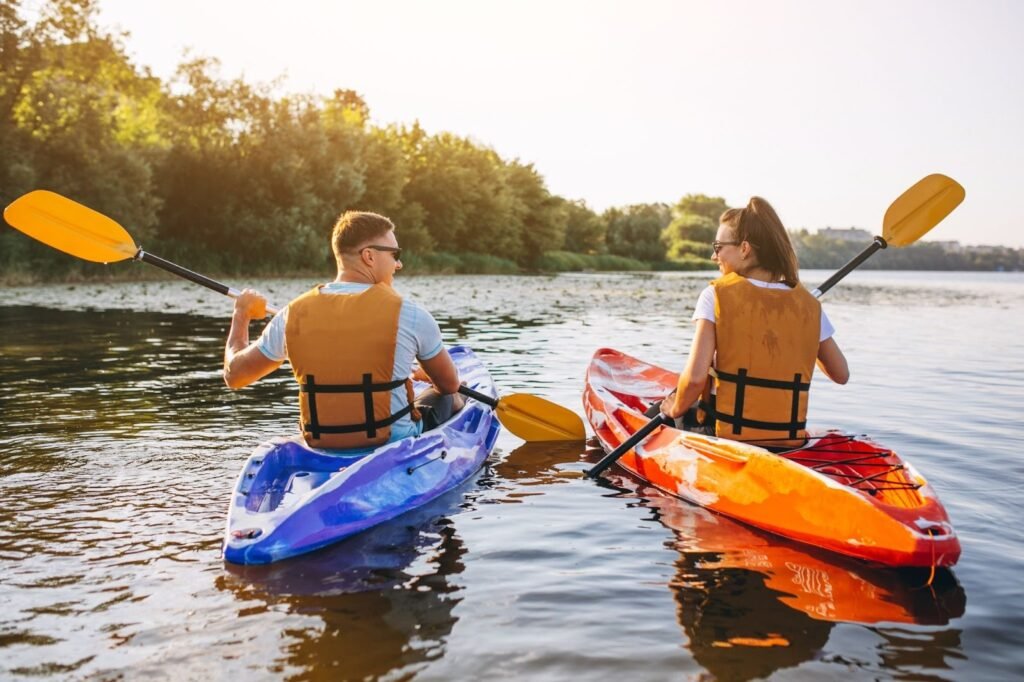
In my years of studying leisure at the University of Michigan, I’ve found that many people view recreation as a “luxury” or an afterthought to a productive day. But as I often advocate in my research, we need to flip that script. Recreation is not just a break from work; it is the essential work of maintaining our social and emotional health. When I first started long-distance cycling, I realized it wasn’t just about the physical exertion, it was a form of structured play that allowed me to reconnect with my own sense of agency and joy.
Structured play and outdoor adventure act as a vital bridge for social connection, fostering community bonding and creating lasting memories with those we care about. These shared experiences allow us to bond over challenges and triumphs, whether it’s navigating a new trail or collaborating on a watercolor painting. By engaging in these activities, we aren’t just passing time; we are building emotional resilience and boosting our self-esteem.
In this article, I want to explore how intentional recreation serves as a foundation for a flourishing life, transforming everyday moments into opportunities for deep, meaningful connection and personal growth. It is time we start treating our playtime with the same respect and intention as our professional lives.
Recreation is essential for your social and emotional health. It builds strong connections with others, letting you bond over shared experiences. When you engage in recreational activities, you boost your self-esteem and find joy in teamwork. These moments also help reduce stress and increase your emotional resilience, making it easier to face life’s challenges. Mindfulness practices, like yoga in nature, enhance your focus and well-being. Plus, you create lasting memories and cherished experiences with friends and family. There’s so much more to discover about how recreation enriches your life, so keep exploring!
KEY TAKEAWAYS
- Recreation enhances social connections by fostering community bonding and creating opportunities for friendship and networking through shared activities.
- Engaging in recreational activities boosts self-esteem by encouraging personal achievement and providing positive feedback from peers.
- Team-based recreation fosters teamwork skills, improving communication, trust, and conflict resolution among participants.
- Recreational pursuits help reduce stress levels, offering playful engagement and emotional outlets that transform stress into joy.
- Engaging in recreation promotes mindfulness, encouraging presence in the moment and enhancing overall emotional well-being.
ENHANCES SOCIAL CONNECTIONS
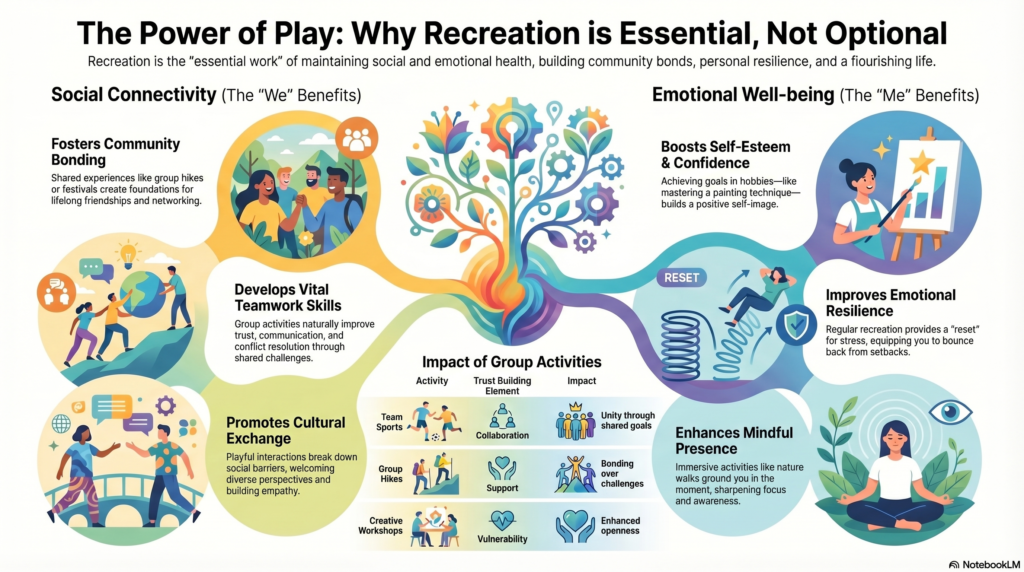
Recreation serves as a vibrant bridge to enhance social connections among individuals. When you engage in group activities, you’re not just having fun; you’re also fostering community bonding. These shared experiences create a foundation for friendship development, allowing you to connect with others on a deeper level.
Participating in recreational activities can greatly boost your social skills. Whether it’s joining a sports team, attending a local festival, or participating in a community workshop, you’ll find numerous networking opportunities that can lead to lifelong friendships. Playful interactions during these activities often break down barriers, making it easier to forge connections with diverse individuals. Research indicates that we are cognitively stimulated, more creative, energized, and relaxed with regular recreation, especially when we’re out in nature.
Moreover, engaging in recreational pursuits provides a platform for cultural exchange. You’ll meet people from different backgrounds, enriching your understanding of the world. This inclusion practice not only welcomes everyone but also promotes relationship building, ensuring that no one feels left out.
As you embrace these activities, remember that every moment spent together is an opportunity to strengthen your ties with others. You’ll find joy in shared laughter and mutual support, solidifying bonds that can last a lifetime.
Reduces Stress Levels
Engaging in social activities not only strengthens bonds with others but also plays a significant role in managing stress levels. When you immerse yourself in playful activities or outdoor adventures, you allow your body and mind to break free from daily pressures.
Picture yourself taking a nature walk, surrounded by greenery, as you practice mindful breathing. Each inhale fills you with peace, while each exhale releases tension.
Creative expression, whether through artistic projects or community service, serves as a powerful outlet for emotions. These activities not only provide an escape but also foster connections with like-minded individuals.
Engaging in shared experiences can lighten your load, transforming stress into joy. You’ll find that when you focus on the present moment, using relaxation techniques or simply enjoying a laugh with friends, the burdens of life seem to dissipate.
Moreover, outdoor adventures encourage you to step outside your routine. Whether it’s hiking a new trail or joining a group for a fun sports game, these experiences invigorate your spirit. They remind you that there’s life beyond work and responsibilities.
As you prioritize these recreational moments as a form of self care, you’ll notice a shift in your overall well-being. Stress levels diminish, replaced by a sense of freedom and fulfillment.
Boosts Self-Esteem
Many people find that participating in recreational activities can greatly boost self-esteem. Engaging in sports, arts, or outdoor adventures allows you to step outside your comfort zone and explore your capabilities. Each time you try something new or improve your skills, you initiate a self-discovery journey that highlights your strengths and potential.
When you set goals and achieve them—whether it’s finishing a marathon, mastering a new painting technique, or completing a challenging hike—you experience a significant boost in confidence. These personal achievements remind you of what you’re capable of, fostering a positive self-image that carries into other areas of your life.
Moreover, recreational activities often provide opportunities to receive positive feedback from peers, coaches, or fellow participants. This encouragement can reinforce your belief in yourself and your abilities, making you feel valued and supported. The camaraderie you build through these experiences helps to create a sense of belonging, further enhancing your self-esteem.
As you continue to engage in activities that resonate with you, you’ll find that your self-awareness deepens. You start to recognize not just your skills, but also your passions and interests. This holistic understanding of yourself nurtures a sense of empowerment, allowing you to embrace challenges with renewed vigor.
Ultimately, the freedom you gain from pursuing recreational activities can lead to lasting changes in how you view yourself and your place in the world. So, immerse yourself and discover the self-esteem waiting to be revealed within you!
Fosters Teamwork Skills
One of the most profound aspects of recreation is its ability to serve as a natural outlet for stress and frustration. In my own life, when the pressures of academic research feel overwhelming, I turn to my watercolor palette. The act of creative expression allows me to process complex emotions and step outside my comfort zone, which is a powerful way to boost self-esteem. Each new technique I master is a personal achievement that reinforces my confidence, a phenomenon that carries over into every other area of my life.
Beyond the individual benefits, group-oriented recreation is a masterclass in teamwork and communication. When we participate in group activities, we develop trust by learning to rely on one another in dynamic environments. Think about a group hike: you aren’t just walking; you are offering support, practicing active listening, and navigating shared challenges. These settings naturally foster empathy as we witness our peers’ struggles and triumphs, enriching our collective emotional intelligence.
Furthermore, the playful interactions we enjoy, like a shared laugh over a board game or the camaraderie of a local festival, break down social barriers and promote cultural exchange. By prioritizing these recreational moments as a form of self-care, we cultivate a support network that encourages us through life’s inevitable ups and downs.
Recreation isn’t just about fun; it’s a powerful way to build teamwork skills that can transform your interactions. Being active not only keeps children and young people fit and healthy, but provides all kinds of social, emotional and intellectual benefits.
As you engage in group activities, you’ll notice how trust develops, communication flows, and conflicts get resolved more smoothly.
These experiences not only strengthen your bonds with others but also equip you with essential skills for life.
Builds Trust Among Participants
Trust serves as the foundation for effective teamwork, and participating in recreational activities can help you build it among your peers. Engaging in trust building activities fosters a sense of camaraderie and strengthens group dynamics. When you play together, you learn to rely on each other, paving the way for deeper connections. Socialization opportunities through recreation are needed to support their social-emotional maturity into healthy adulthood.
Here’s a quick table to illustrate how different activities can enhance trust:
| Activity Type | Trust Building Elements | Group Dynamics Impact |
| Team Sports | Collaboration, competition | Unity through shared goals |
| Group Hikes | Support, encouragement | Bonding over challenges |
| Adventure Challenges | Shared risks, problem-solving | Increased interdependence |
| Creative Workshops | Idea sharing, vulnerability | Enhanced openness |
| Community Service | Altruism, shared purpose | Strengthened relationships |
Enhances Communication Abilities
Participating in recreational activities greatly enhances your communication abilities, which is essential for effective teamwork. When you engage in fun, group-oriented experiences, you naturally develop your conversational skills. You learn to articulate your thoughts clearly, allowing for better collaboration with others.
Active listening becomes important during these activities. By focusing on your teammates, you pick up on nonverbal cues, which can express feelings that words mightn’t convey. This keen awareness helps you respond appropriately, fostering emotional expression and deeper connections.
Additionally, these settings serve as excellent feedback mechanisms. You receive constructive criticism and encouragement, enhancing your ability to give and receive feedback gracefully. This relationship building is significant, as it cultivates trust and camaraderie, making everyone feel valued and understood.
Empathy development is another notable benefit. As you witness your teammates’ struggles and triumphs, you gain insight into their perspectives, enriching your emotional intelligence.
Together, these skills create a harmonious atmosphere where everyone feels empowered to contribute. So, engage in recreational activities—your enhanced communication abilities won’t only benefit you but also strengthen the entire team dynamic.
PROMOTES CONFLICT RESOLUTION SKILLS
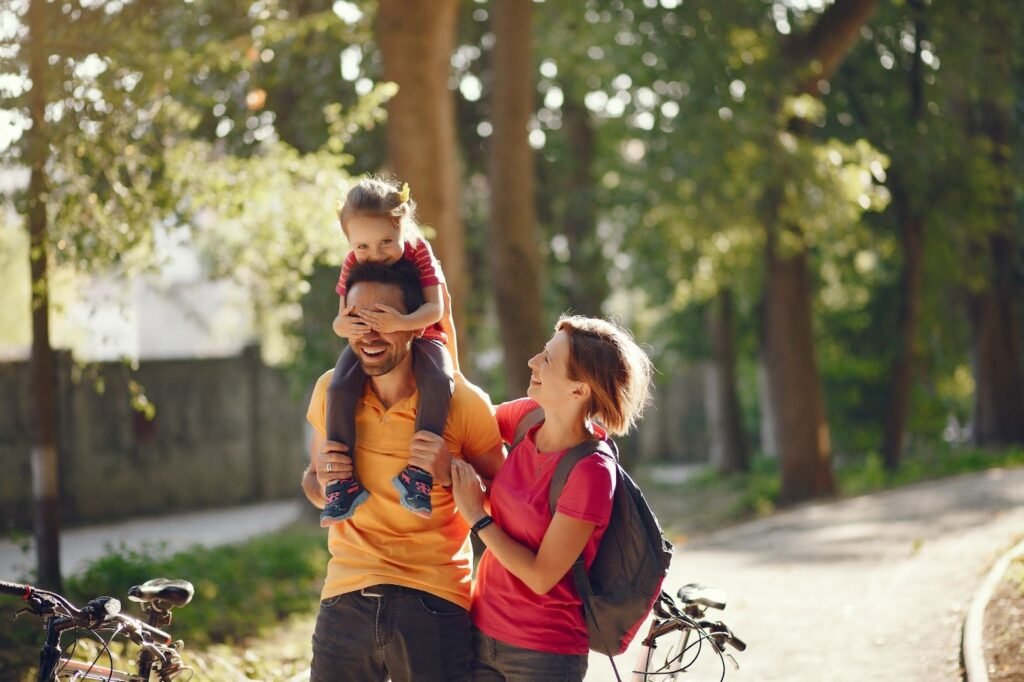
When disagreements arise during group activities, they often present valuable opportunities for growth. Instead of viewing conflict as a setback, you can embrace it as a chance to strengthen your teamwork skills.
Engaging in recreation helps you develop essential conflict resolution abilities that can benefit you in various aspects of life. Here are four key skills you can enhance:
- Active Listening: By truly hearing others, you cultivate emotional intelligence and foster understanding.
- Communication Strategies: Clear and open dialogue can lead to effective dispute negotiation, ensuring all voices are heard.
- Mediation Techniques: Learning the art of peer mediation offers tools for conflict de-escalation, allowing you to navigate tense situations calmly.
- Problem Solving Skills: Role-playing scenarios can help you practice assertiveness training, equipping you to find solutions collaboratively.
Improves Emotional Resilience
Engaging in recreational activities can greatly boost your emotional resilience, helping you navigate life’s challenges with greater ease. When you immerse yourself in fun and fulfilling pursuits, you create an environment that fosters emotional regulation. Whether it’s hiking, painting, or playing a sport, these activities provide a natural outlet for stress and frustration, allowing you to process your emotions more effectively.
Recreation teaches you valuable coping strategies. When you face setbacks—be it in your personal life or at work—having hobbies that you can turn to for relief makes a huge difference. You learn to channel your energy into something positive, transforming challenges into opportunities for growth. For instance, if you encounter a tough day, taking a walk or engaging in a creative project as a self care activity can serve as a reset, enabling you to approach problems with a clearer mind
Moreover, these activities often involve social interaction, which can further enhance your emotional resilience. Building connections with others while participating in recreational activities creates a support network that encourages you during tough times. You realize you aren’t alone in your struggles, fostering a sense of belonging and understanding.
Ultimately, by prioritizing recreation, you’re not just having fun; you’re equipping yourself with the essential tools to face life’s ups and downs. Embracing these moments of joy can empower you to bounce back stronger, making every challenge seem a little less intimidating.
Encourages Mindfulness and Presence
Recreation isn’t just about having fun; it can also help you tune into the present moment and sharpen your focus.
By engaging in activities you love, you can develop stress relief techniques that ground you and enhance your awareness.
This mindful approach not only boosts your enjoyment but also enriches your overall well-being.
Enhances Focus and Awareness
Often, immersing yourself in recreational activities can greatly enhance your focus and awareness, nurturing a sense of mindfulness and presence.
By engaging in activities that spark joy, you cultivate mindful engagement, allowing your mind to break free from distractions. This process not only boosts your ability to concentrate but also fosters cognitive flexibility, enabling you to adapt to new challenges with ease.
Here are four ways recreation can enhance your focus and awareness:
- Mindful Movement: Activities like yoga or dancing encourage you to be present in your body, sharpening your awareness of both physical and mental states.
- Nature Immersion: Spending time outdoors can ground you, enhancing your senses and helping you appreciate the beauty around you.
- Creative Pursuits: Engaging in art or music can shift your focus, allowing your mind to explore new ideas and perspectives.
- Social Activities: Connecting with others through group sports or games fosters a sense of community and keeps you engaged in the moment.
Embrace these moments of recreation to cultivate deeper focus and awareness, enriching your overall well-being.
Fosters Stress Relief Techniques
As you cultivate focus and awareness through various activities, you might also discover valuable stress relief techniques that promote mindfulness and presence. Engaging in mindful breathing during moments of stress can ground you, helping to center your thoughts.
Creative expression, whether through art therapy or journaling practices, offers practical self care ideas that allow you to release emotions and explore your inner self. Nature immersion is another powerful technique; outdoor adventures can rejuvenate your spirit and provide a revitalizing perspective.
Physical activity, too, is a fantastic outlet, releasing endorphins that naturally lift your mood. Guided relaxation sessions or laughter therapy can create a space for healing and connection, reminding you to embrace joy in the moment.
Participating in group reflection can deepen your understanding of shared experiences, fostering a sense of community and support. Remember, the journey toward mindfulness is personal yet shared; each step you take in these activities brings you closer to emotional freedom.
Creates Lasting Memories
Nostalgia thrives in the moments we share during recreational activities, as these experiences forge lasting memories that enrich our lives.
Whether it’s a simple weekend hike or a family game night, the bonds you create in these moments become cherished pieces of your personal history.
Here are four ways recreation helps you create lasting memories:
- Family Traditions: Engaging in regular bonding activities, like holiday celebrations or weekend outings, builds a sense of belonging and continuity.
These traditions offer a foundation for nostalgic moments you’ll look back on fondly.
- Adventure Experiences: Outdoor escapades and exciting adventures provide thrilling stories to share.
These experiences spark joy and create a treasure trove of memories, from climbing a mountain to exploring a new city.
- Shared Laughter: Playful interactions during recreational activities, like board games or sports, foster laughter and connection.
Those lighthearted moments often become the stories you recount for years to come.
- Creative Storytelling: The tales that arise from your adventures—whether it’s a mishap during a family camping trip or a funny moment at a cultural ritual—become part of your narrative, enriching your life and relationships.
RELATED STUDIES ABOUT BENEFITS OF RECREATION
Recreation isn’t just about having fun; it’s an essential part of your emotional and social well-being. By engaging in activities that enhance connections, reduce stress, and build self-esteem, you’re investing in yourself. Think about it—when was the last time you felt truly present and connected with others? Embracing recreation can lead to lasting memories and stronger bonds, so make it a priority in your life. You deserve the joy and growth it brings!
A Case Study on Defining Leisure Time Motivation of Recreation Students
Study Objective:
This 2014 case study aimed to investigate whether students enrolled in a university recreation program participate in leisure-time activities and to examine how their leisure motivation varies across different demographic factors. The study hypothesized that recreation students, due to their specialized education, would demonstrate high motivation toward leisure activities.
Methodology:
- Participants: 55 out of 70 recreation students from Trakya University in Turkey.
- Tool: A Turkish-adapted version of the Leisure Motivation Scale (Pelletier et al., 1991), using a 7-point Likert scale. The scale assessed five sub-factors: Amotivation, Knowing and Achieving, Stimulant Living, Identification/Introjection, and External Arrangement.
- Analysis: Descriptive statistics, t-tests, and ANOVA were used to analyze differences based on gender, daily leisure hours, weekly activity frequency, and spending on leisure activities. Reliability (Cronbach’s alpha) was 0.77.
Key Findings:
- Overall Motivation: Students scored highest in Stimulant Living and lowest in Amotivation.
- Gender Differences:
- Males scored significantly higher in Amotivation.
- Females scored higher in Knowing and Achieving, Stimulant Living, and Identification.
- Daily Leisure Time: Students with only 1–2 hours of daily leisure time showed significantly higher Amotivation compared to those with 5–6 hours or 7+ hours.
- No Significant Differences were found based on weekly participation frequency or amount spent on leisure activities.
Conclusions:
The study confirms that recreation students are generally motivated toward leisure activities, with notable gender-based differences in motivation types. Limited daily leisure time correlates with higher a motivation. However, the small, discipline-specific sample limits generalizability. The research serves as a foundational study for future investigations into leisure motivation, highlighting the need to consider demographic variables in promoting healthy leisure engagement among students.
| REFERENCE: Safak Aran, A Case Study on Defining Leisure Time Motivation of Recreation Students, Procedia – Social and Behavioral Sciences, Volume 152, 2014, Pages 734-739, ISSN 1877-0428, https://doi.org/10.1016/j.sbspro.2014.09.312. (https://www.sciencedirect.com/science/article/pii/S1877042814053798) |
Preliminary Investigation on Recreation and Leisure Knowledge Sharing by LINE
Study Objective:
This 2014 study aimed to explore how university students in Taiwan’s Department of Leisure and Recreation Management use the messaging app LINE for sharing recreation and leisure knowledge. The research sought to identify the key factors influencing their knowledge-sharing attitudes and behavioral intentions, based on an extended Technology Acceptance Model (TAM).
Methodology:
- Participants: 324 sophomore and junior students from four universities in southern Taiwan.
- Framework: An extended TAM incorporating self-efficacy and subjective norms.
- Tool: A 57-item questionnaire using a 7-point Likert scale, assessing perceived ease of use, perceived usefulness, self-efficacy, subjective norms, attitude toward knowledge sharing, and behavioral intention.
- Analysis: Data were analyzed using SPSS, including reliability tests, correlation analysis, and path analysis. The scale showed high reliability (Cronbach’s α = .940).
Key Findings:
- Usage Patterns: Students primarily used LINE because it is free, convenient, and peer-influenced. The most-used functions were non-verbal communication (e.g., stickers, images) and file sharing.
- High Satisfaction: Participants reported high satisfaction with perceived ease of use (mean = 6.38) and perceived usefulness (mean = 5.54) of LINE for knowledge sharing.
- Supported Hypotheses:
- Perceived ease of use and perceived usefulness positively influenced attitude toward knowledge sharing.
- Self-efficacy and subjective norms positively influenced attitude toward knowledge sharing.
- Attitude toward knowledge sharing strongly predicted behavioral intention to share knowledge.
- Motivation Drivers: Easy use of emoticons/stickers reduced communication barriers, enhanced social interaction, and encouraged sharing of leisure-related content.
Conclusions:
The study confirms that LINE is an effective and accessible platform for facilitating recreation and leisure knowledge sharing among students. The extended TAM—integrating ease of use, usefulness, self-efficacy, and social influence—successfully explains and predicts sharing behaviors. These insights can guide educators and platform developers in designing more engaging, socially-driven knowledge-sharing environments within digital communities.
| REFERENCE: Hsiu-Chu Huang, Sung-Shan Chang, Shi-Jer Lou, Preliminary Investigation on Recreation and Leisure Knowledge Sharing by LINE, Procedia – Social and Behavioral Sciences, Volume 174, 2015, Pages 3072-3080, ISSN 1877-0428, https://doi.org/10.1016/j.sbspro.2015.01.1100. (https://www.sciencedirect.com/science/article/pii/S1877042815011593) |
Promoting Collaboration Between Local Community and Park Management Towards Sustainable Outdoor Recreation
Study Objective:
This conceptual paper explores how collaboration between local communities and park management can enhance the sustainability of outdoor recreation. Focusing on Malaysia, it examines the challenges of increasing recreational use—such as ecological degradation, overcrowding, and user conflicts—and advocates for a shift from traditional, top-down planning to more inclusive, participatory approaches.
Key Themes and Arguments:
- Challenges in Outdoor Recreation Management:
- Rising participation in outdoor activities increases pressure on natural areas, leading to environmental damage, social conflicts, and strain on infrastructure.
- Traditional centralized planning often excludes local voices, limiting the effectiveness and long-term sustainability of park management.
- Need for Sustainability:
- Sustainable outdoor recreation requires balancing environmental, social, and economic goals.
- The inclusion of local communities in planning is critical to addressing sustainability challenges and fostering stewardship.
- Transactive Planning as a Solution:
- The paper proposes transactive planning—a participatory, dialogue-based model—as an effective framework for collaboration.
- This approach emphasizes social learning, mutual understanding, and consensus-building among stakeholders (e.g., park managers, local communities, businesses).
- It involves face-to-face communication, shared knowledge, and cooperative decision-making to create actionable, widely accepted plans.
Proposed Model and Implications:
- The adapted transactive planning model encourages continuous engagement and cooperative partnerships between park authorities and local communities.
- Benefits include improved trust, reduced conflicts, better resource management, and plans that reflect diverse needs and local knowledge.
- The paper calls for empirical research in the Malaysian context to test and refine this collaborative approach.
Conclusion:
To achieve sustainable outdoor recreation, park planning must evolve from expert-driven processes to inclusive, collaborative frameworks. Transactive planning offers a viable pathway to integrate community insights, address sustainability concerns, and ensure that parks remain resilient and valuable for present and future generations.
| REFERENCE: A.G. Arni, W.A. Khairil, Promoting Collaboration between Local Community and Park Management towards Sustainable Outdoor Recreation, Procedia – Social and Behavioral Sciences, Volume 91, 2013, Pages 57-65, ISSN 1877-0428, https://doi.org/10.1016/j.sbspro.2013.08.401. (https://www.sciencedirect.com/science/article/pii/S1877042813025329) |
CONCLUSION
As we’ve explored, the benefits of recreation extend far beyond simple “fun.” It is a fundamental investment in your emotional and social well-being. Whether it’s through mindful movement like yoga or the simple peace of a nature walk, these activities ground us in the present moment and enhance our overall focus. I’ve personally found that volunteering at local parks or cycling through new landscapes provides a revitalizing perspective that work alone can never offer. It reminds us that there is a vibrant, beautiful life waiting beyond our daily responsibilities.
I encourage you to look at your schedule and ask: when was the last time I felt truly present and connected?. Don’t wait for a “perfect” time to start. Whether you are building family traditions through weekend outings or seeking out new adventure experiences, every moment spent in joyful recreation strengthens your ties with others and empowers you to bounce back stronger from challenges.
We all deserve the growth, laughter, and lasting memories that come from a life balanced with intentional play. Let’s make recreation a non-negotiable part of our self-care routines, ensuring we remain resilient, connected, and authentically ourselves for years to come.