
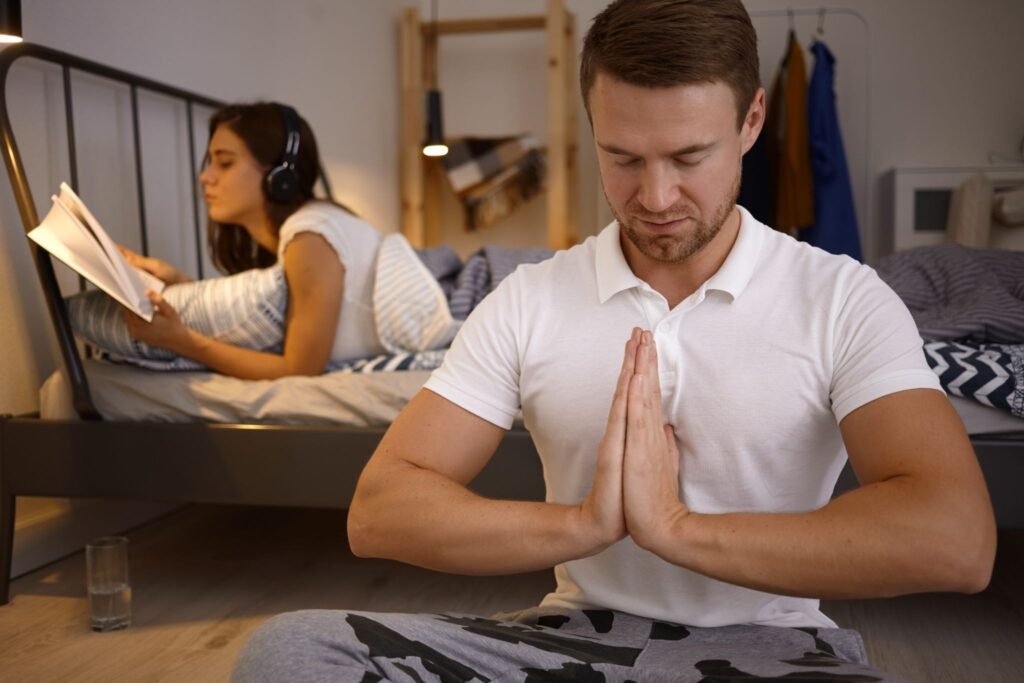
Over the past decade of consulting for professionals in high-velocity, high-stress corporate settings, I have watched the cultural definition of “self-care” drift far away from what our nervous systems actually need. We are frequently told that decompressing requires luxury retreats, elaborate weekend escapes, or purchasing another consumer wellness product. In reality, working with overwhelmed executives, healthcare workers, and creative teams has demonstrated that genuine stress reduction is grounded in simple, reliable self-regulation techniques.
When your calendar is packed and cognitive demands are relentless, adding an elaborate self-care checklist often creates performance anxiety rather than calm. Emotional balance does not happen through escapism; it emerges when we train the mind to engage differently with daily pressures right as they unfold.
The neuroscience behind mindfulness is compelling precisely because it takes relaxation out of the realm of wishful thinking and grounds it in measurable biology. By learning how intentional pauses, guided visualization, and breath regulation recalibrate the autonomic nervous system, we shift self-care from an occasional indulgence into an accessible daily baseline. True inner equilibrium does not demand an empty schedule; it demands the self-awareness to pause, breathe, and reclaim your attention amidst the noise.
Self-care psychology and evidence-based meditation techniques are essential for achieving emotional balance. Regular self-care builds resilience, lowers stress, and enhances decision-making by promoting self-awareness. Meditation greatly alters brain structure, fostering emotional regulation and reducing stress responses. Practices like mindful breathing and mantra meditation enhance focus and emotional clarity. As you integrate self-care and meditation into your daily routine, you’ll discover profound improvements in your mental health and well-being. You’ll soon uncover more strategies to support your journey.
KEY TAKEAWAYS
- Self-care practices enhance emotional resilience and create a buffer against stress, promoting better mental health.
- Regular meditation reduces amygdala activity, improving emotional regulation and stress response.
- Mindful breathing and body scans increase body awareness and promote emotional balance effectively.
- Setting realistic self-care goals fosters a sense of accomplishment and enhances overall well-being.
- Incorporating meditation into daily routines encourages consistency, leading to long-term emotional growth and clarity.
UNDERSTANDING SELF-CARE PSYCHOLOGY FOR EMOTIONAL BALANCE
People have been meditating for thousands of years, often as part of a spiritual practice. But in more recent years, mindfulness has become a popular way to help people manage their stress and improve their overall well-being—and a wealth of research shows it’s effective. Psychologists have found that mindfulness meditation changes our brain and biology in positive ways, improving mental and physical health.
While you may often hear about the importance of self-care, it’s essential to understand its psychological underpinnings for achieving emotional balance.
Self-care isn’t just about pampering yourself; it’s a crucial practice rooted in self-awareness strategies. By developing a keen understanding of your emotions and triggers, you empower yourself to make choices that foster emotional resilience.
Research shows that individuals who engage in consistent self-care practices report lower stress levels and improved mood. This isn’t merely anecdotal; psychological studies highlight that self-awareness can lead to better decision-making and enhanced coping skills.
When you actively prioritize your mental health, you create a buffer against life’s challenges, allowing you to navigate stress more effectively.
Ultimately, embracing self-care is about reclaiming your freedom to thrive emotionally, equipping you with the tools needed to face adversity with strength and clarity.
The Science of Meditation: Impact on the Brain
Meditation has a history that goes back thousands of years, and many meditative techniques began in Eastern traditions. The term “meditation” refers to a variety of practices that focus on mind and body integration and are used to calm the mind and enhance overall well-being. Some types of meditation involve maintaining mental focus on a particular sensation, such as breathing, a sound, a visual image, or a mantra, which is a repeated word or phrase. Other forms of meditation include the practice of mindfulness, which involves maintaining attention or awareness on the present moment without making judgments.
As you explore the science of meditation, you’ll find compelling evidence illustrating its profound impact on brain function. Neuroscience findings reveal that regular meditation can lead to significant alterations in brain structure and connectivity, enhancing areas related to emotional regulation and self-awareness.
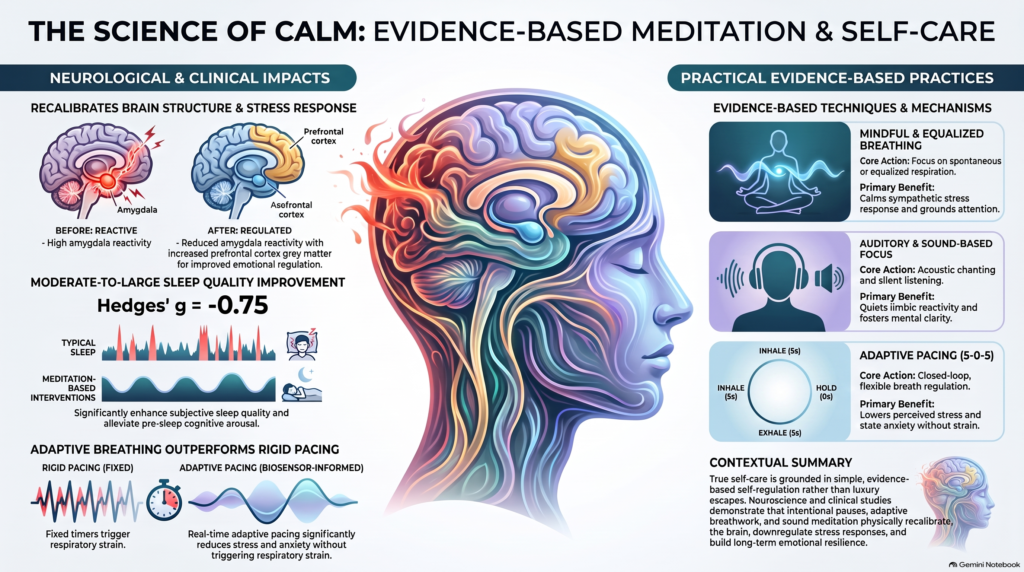
These changes reflect brain plasticity, the brain’s remarkable ability to adapt and reorganize itself. You may notice that practices like mindfulness meditation reduce activity in the amygdala, the region associated with stress responses, while increasing grey matter in the prefrontal cortex, linked to higher cognitive functions.
These adaptations not only promote emotional balance but also empower you to navigate life’s challenges with greater resilience. Embracing meditation opens the door to a freer, more balanced emotional state, allowing you to cultivate a deeper understanding of yourself and your responses to the world around you.
Self-Care Through Effective Evidence-Based Meditation Techniques
Effective self-care through meditation involves implementing evidence-based techniques that not only enhance well-being but also foster resilience. By practicing mindful breathing, you can ground yourself in the present moment, alleviating stress and anxiety. This technique encourages a deeper connection to your breath, promoting emotional balance. Practicing parasympathetic nervous system relaxation through mindful breathing and meditation can help calm the body’s stress response, encourage relaxation, and support emotional balance. Additionally, guided imagery can transport you to calming mental spaces, allowing your mind to visualize peace and tranquility.
| Technique | Benefits | How to Practice |
| Mindful Breathing | Reduces stress and anxiety | Focus on your breath, inhale deeply, exhale slowly |
| Guided Imagery | Enhances relaxation | Visualize a serene environment, engage all senses |
| Body Scan | Increases body awareness | Mentally scan your body from head to toe |
| Loving-Kindness | Fosters compassion and empathy | Repeat positive affirmations for yourself and others |
| Mantra Meditation | Improves focus and clarity | Repeat a calming phrase or word |
Incorporating these techniques into your routine empowers you to cultivate emotional balance and foster a deeper sense of freedom.
How to Create a Personalized Self-Care Plan
Mindfulness is a state of being mindful and aware of the present moment. It is a type of meditation in which you focus on your thoughts, feelings, body and surroundings. You do this without judgment. There’s only awareness of the moment as it is. Research has shown that mindfulness can support both mental and physical well-being. Almost anyone can benefit from the practice of mindfulness.
To create a personalized self-care plan, start by evaluating your current needs and identifying areas where you feel most challenged.
This evaluation allows you to set realistic goals that align with your unique circumstances and aspirations.
Assess Your Current Needs
How well do you understand your current needs when it comes to self-care? Evaluating your needs is essential for creating a personalized self-care plan.
Start with self-assessment tools that help you identify your emotional and physical priorities. Here are three areas to reflect on:
- Emotional Well-Being: Reflect on your stress levels and emotional triggers.
- Physical Health: Evaluate your energy levels and any physical discomfort.
- Social Connections: Contemplate your relationships and support systems.
Set Realistic Goals
Setting realistic goals is an essential step in crafting a personalized self-care plan that genuinely meets your needs. When you establish realistic expectations, you’re more likely to stay motivated and committed.
Start by identifying areas in your life that require attention and set achievable milestones that align with your values. For instance, if stress management is a priority, aim for a daily 10-minute meditation rather than an hour-long session. This approach fosters a sense of accomplishment and builds confidence.
IDENTIFYING AND OVERCOMING COMMON SELF-CARE BARRIERS
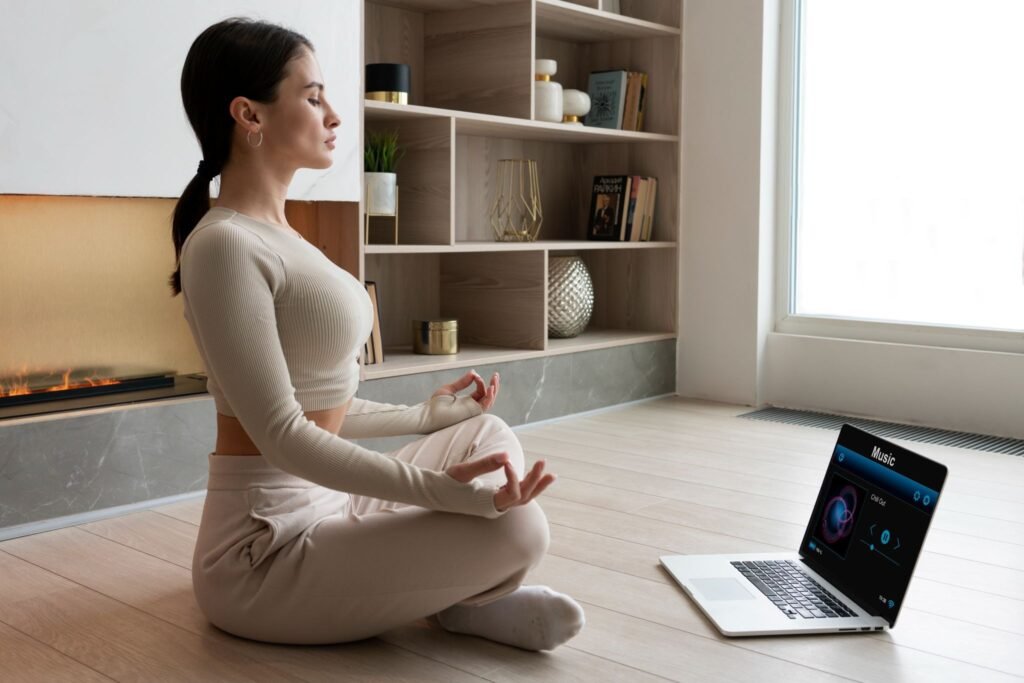
When people attempt to establish a meditation habit, the most frequent obstacle I witness is rigid perfectionism. Many professionals sit down on a cushion expecting instant mental silence, only to get frustrated when their thoughts race toward unfinished deadlines and overflowing inboxes. In my workshops, I constantly remind practitioners that meditation is not an aggressive effort to empty the mind, nor is it a rigid test you pass or fail.
Much like the steady rhythm of pedaling along a quiet trail or shaping a piece of timber in the workshop, genuine mindfulness is about patient, rhythmic engagement. If a structured breath-holding technique such as 4-7-8 induces strain or feels suffocating on an already anxious day, do not force it. Recent clinical research shows that rigid pacing can occasionally backfire, whereas gentle, equalized breathing or adaptive biofeedback consistently settles the nervous system without triggering extra stress.
The real objective across any evidence-based technique—be it mindful breathing, a seated body scan, or focused acoustic meditation like the Nadamay protocol—is simply learning how to step out of involuntary cognitive reactivity. When you stop wrestling with your thoughts and simply notice them without judgment, your body naturally downregulates tension, paving the way for deep physiological restoration.
While many people recognize the importance of self-care, various barriers can prevent them from fully engaging in these essential practices. To overcome common self-care obstacles, it’s vital to identify what’s holding you back.
Emotional barriers often stem from guilt, fear of judgment, or the belief that self-care is selfish.
Consider these strategies to navigate those challenges:
- Acknowledge Your Needs: Understand that prioritizing your well-being isn’t a luxury; it’s necessary for a balanced life.
- Set Boundaries: Learn to say no to activities or people that drain your energy.
- Shift Your Mindset: Foster a positive perspective on self-care as a fundamental aspect of your overall health.
Bringing Mindfulness Into Your Everyday Life
Incorporating mindfulness into your daily routine can greatly enhance your emotional well-being.
Simple practices, like mindful breathing or focused attention during everyday tasks, can transform your perspective.
Daily Mindfulness Practices
Bringing mindfulness into your daily life is a powerful way to enhance your overall well-being and reduce stress. Making mindful breathing, gratitude journaling, or mindful walking a regular self care activity can help you reduce stress, improve emotional balance, and maintain your overall well-being.
By integrating simple practices, you can foster a greater sense of awareness and emotional balance.
Consider these daily mindfulness techniques:
- Mindful breathing: Take a few moments each day to focus solely on your breath. Inhale deeply, hold, and exhale slowly. This calms your mind and centers your thoughts.
- Gratitude journaling: Write down three things you’re grateful for each day. This practice shifts your focus toward positivity and abundance.
- Mindful walking: During a brief walk, pay attention to each step. Observe the sensations in your body and the environment around you.
These practices can help liberate your mind, allowing you to navigate life with clarity and peace.
Incorporating Meditation Techniques
Meditation techniques can seamlessly fit into your daily routine, enhancing your mindfulness practice and overall mental health. By incorporating mindfulness exercises, you cultivate a deeper awareness of your thoughts and feelings, allowing you to navigate daily challenges with greater ease.
Start small; even a few minutes of focused breathing can shift your mindset. Practicing breathwork and cortisol reduction techniques regularly may help manage stress, promote relaxation, and improve emotional balance over time. Guided meditations, accessible through apps or online platforms, provide structured support, helping you develop your practice without feeling overwhelmed.
Aim to integrate these practices during mundane moments—while commuting or waiting in line. This approach not only fosters emotional balance but also empowers you to reclaim your time and attention.
Ultimately, embracing meditation isn’t just about finding peace; it’s about releasing your potential for freedom and resilience in everyday life.
Long-Term Benefits of Self-Care and Meditation Techniques
While you may initially view self-care and meditation as temporary escapes from daily stress, their long-term benefits reveal a profound transformation in mental and emotional well-being. Over time, these practices enhance your emotional resilience, enabling you to navigate life’s challenges with greater ease.
Consider the following long-term benefits:
- Improved Mental Clarity: Regular meditation fosters sharper focus and decision-making, empowering you in both personal and professional spheres.
- Enhanced Emotional Regulation: As you practice self-care, you’ll find it easier to manage your emotions, reducing instances of anxiety and depression.
- Stronger Relationships: By nurturing your well-being, you’ll naturally cultivate empathy and connection, enriching your interactions with others.
Incorporating self-care and meditation into your routine isn’t just about temporary relief; it’s about building a foundation for a more balanced, fulfilling life.
Embrace these techniques to reveal lasting emotional freedom.

RELATED STUDIES ABOUT EVIDENCE BASED MEDITATION TECHNIQUES
As you commence your self-care journey, remember that the path to emotional balance isn’t always straightforward. You might encounter hurdles that challenge your resolve, but the evidence-based meditation techniques you’ve learned can be your guiding light. Imagine the profound transformation that awaits you as you integrate these practices into your daily life. Will you embrace the challenge and uncover the hidden strength within? The choice is yours, and the rewards could be life-changing.
Development and validation of Nadamay meditation: A sound-based protocol for psychosocial well-being
This study details the formulation and initial quantitative content validation of Nadamay Meditation, an evidence-informed, seven-step sound-based meditative protocol derived from classical Nada Yoga principles found in the Nada Bindu Upanishad and adapted for modern psychosocial health promotion.
Study Overview & Methodology:
- Scriptural Foundation & Design Concept: Classical Nada Yoga models describe a progressive transition from gross external sounds (Ahata Nada) to subtle internal vibrations (Anahata Nada) and ultimately thoughtless mental absorption (the unmani state). The authors adapted these concepts into a standardized, teacher-led 32-minute sequence that incorporates modern psychological frameworks, affective priming, and accessibility modifications (e.g., omitting restrictive traditional postures like Siddhasana or Vaishnavi Mudra in favor of supported seating).
- Protocol Architecture (7 Sequential Stages):
- Opening Prayer (30 seconds): Establishes psychological intention, reverence, and boundary setting.
- Kapalbhati (1 minute): Three rounds of 30–50 rapid breaths to physiologically activate and alert the nervous system.
- Breath Awareness (4 minutes): Mindful observation of spontaneous respiration to cultivate interoceptive sensitivity and downregulate sympathetic tone.
- Contemplation on Bhava (6 minutes): Intentional generation of prosocial, positive emotions (gratitude, compassion, surrender) grounded in broaden-and-build affective models.
- Concentration on Sound / AUM (15 minutes): Core Nada Yoga immersion combining active chanting and focused auditory listening to anchor attention externally and quiet limbic reactivity.
- Silence / Ajapa Japa (5 minutes): Receptive internal focus attending to subtle internal vibrations and entering unmani (inner stillness).
- Shanti Mantra (30 seconds): Closing peace invocation facilitating cognitive integration and transition back to external awareness.
- Expert Validation Panel: Assembled a multidisciplinary panel of 21 subject matter experts (SMEs) with 5 to 20 years of research and clinical experience across Yoga Therapy (n = 7), Psychology (n = 5), Ayurveda (n = 4), Integrative Medicine (n = 3), and Contemplative/Meditation Science (n = 2).
- Validation Analytics: Evaluated each component using Lawshe’s Content Validity Ratio (CVR; critical threshold = 0.42 at p < 0.05 for 21 panelists) and Polit and Beck’s Item-level Content Validity Index (I-CVI; benchmark >= 0.78), alongside the Scale-level Content Validity Index Average (S-CVI/Ave; benchmark >= 0.90).
Quantitative Validation & Expert Consensus:
- Scale-Level Validity: The overall protocol achieved an S-CVI/Ave of 0.92, surpassing established benchmarks for excellent scale-level validity and confirming the comprehensive structure of the intervention.
- Unanimous Item Endorsement:
- Breath Awareness (Step 3) and Concentration on Sound/AUM (Step 5) achieved 100% unanimous expert endorsement (21/21 experts; CVR = 1.00; I-CVI = 1.00), verifying that respiratory pacing and acoustic focus form the non-negotiable core of the technique.
- Near-Unanimous Endorsement:
- Prayer (Step 1), Silence/Ajapa Japa (Step 6), and Shanti Mantra (Step 7) each received 20 out of 21 endorsements (CVR = 0.90; I-CVI = 0.95), supporting the importance of ritual framing and non-verbal absorption.
- Moderate-to-High Endorsement (Preparatory Steps):
- Kapalbhati (Step 2) was rated essential by 17 experts (CVR = 0.62; I-CVI = 0.81). While exceeding critical thresholds, experts noted that rapid forced exhalation is an ancillary cleansing kriya rather than a core scriptural component of Nada Yoga.
- Contemplation on Bhava (Step 4) received 16 endorsements (CVR = 0.52; I-CVI = 0.76), retaining its place as an affective bridge despite slight variation regarding its necessity prior to auditory focus.
Clinical Considerations, Safety, & Implementation:
- Contraindication Screening for Kapalbhati: While kept brief (1 minute at low-to-moderate intensity), rapid abdominal breathing can acutely alter hemodynamics and intra-abdominal/intrathoracic pressure. It requires medical screening or substitution for individuals with uncontrolled hypertension, cardiovascular disease, epilepsy, hernias, severe anxiety disorders, or pregnancy.
- Delivery Adaptations: The 32-minute timeframe aligns with workplace lunch breaks, university wellness offerings, and outpatient therapy blocks. However, an abbreviated version may be warranted for clinical cohorts or novices with severe attentional fatigue.
- Methodological Next Steps: As this investigation focused strictly on content validity, empirical randomized controlled trials (RCTs) are required to quantify actual clinical outcomes (stress markers, emotional regulation, executive attention), evaluate real-world adherence, and assess cross-cultural transportability beyond Indian demographics.
| REFERENCE: Km Megha, Arjun Ram Roj, Sanjib Patra, Development and validation of Nadamay meditation: A sound-based protocol for psychosocial well-being, Journal of Ayurveda and Integrative Medicine, Volume 17, Issue 4, 2026, 101375, ISSN 0975-9476, https://doi.org/10.1016/j.jaim.2026.101375. (https://www.sciencedirect.com/science/article/pii/S0975947626000598) |
The effects of meditation–based interventions on sleep quality among adults aged ≥ 55 with mild cognitive impairment: A systematic review and meta–analysis
This systematic review and meta-analysis evaluates the efficacy of meditation-based interventions (MBIs) on subjective and objective sleep quality in older adults aged 55 years and older diagnosed with mild cognitive impairment (MCI).
Study Overview & Methodology:
- Background & Clinical Rationale: Between 30% and 50% of individuals with MCI experience sleep disturbances, which are associated with faster cognitive decline and an increased risk of dementia progression. Pharmacotherapy carries significant risks of falls, delirium, and accelerated cognitive impairment in older adults, emphasizing the need for accessible, non-pharmacological alternatives.
- Review Guidelines & Search Strategy: Conducted in accordance with PRISMA 2020 standards across five electronic databases (PubMed, PsycINFO, Embase, CINAHL, and Google Scholar) through June 2025 using Covidence software.
- Sample & Setting: Identified 7 empirical studies (6 RCTs/pilot RCTs and 1 quasi-experimental trial) encompassing 434 participants across the United States, Egypt, China, South Korea, and Brazil. Study settings included community facilities, nursing homes, dementia care centers, long-term care facilities, and inpatient geriatric units.
- Participant Profile: Enrolled adults aged 55 years or older with clinically identified MCI (assessed via MMSE, MoCA, or CDR). Participants’ mean ages ranged from 56.3 to 87.0 years, and samples were predominantly female (>70%).
- Intervention Classifications: Programs ranged in duration from 4 to 12 weeks, consisting of weekly or bi-weekly guided sessions (60–90 minutes) and prescribed daily home practice (10–45 minutes). Interventions were grouped into three clusters:
- Mindfulness-based approaches (e.g., mindfulness-based health promotion, mindful breathing).
- Sound- or mantra-based approaches (e.g., Tibetan sound meditation, mantra repetition).
- Multimodal or hybrid approaches (combining mindfulness with progressive muscle relaxation, cognitive stimulation, or sleep education).
- Analytical Strategy: Narrative synthesis was complemented by a random-effects meta-analysis of six studies reporting Pittsburgh Sleep Quality Index (PSQI) outcomes using standardized mean differences (Hedges’ g). Methodological quality was evaluated using Cochrane RoB 2.0 and ROBINS-I, while evidence certainty was assessed using the GRADE framework.
Primary Sleep & Neurophysiological Outcomes:
- Significant Subjective Sleep Improvement: Five of the seven included studies reported statistically significant between-group improvements in subjective sleep quality on the PSQI. Additional self-reported benefits included decreases in Insomnia Severity Index (ISI) and Epworth Sleepiness Scale (ESS) scores.
- Meta-Analytic Effect Size: The random-effects pooled analysis of six studies (n = 375) demonstrated a statistically significant moderate-to-large improvement in PSQI sleep quality favoring MBIs over controls (Hedges’ g = -0.75, 95% CI [-1.23, -0.28], p < 0.001).
- Heterogeneity & Robustness: Substantial heterogeneity was observed across the pooled studies (I^2 = 77.9%, tau^2 = 0.28). A sensitivity analysis excluding one outlying trial (Milbury et al.) yielded a larger pooled effect size (Hedges’ g = -0.91, 95% CI [-1.34, -0.48]) and lowered heterogeneity to I^2 = 71.7%.
- Disconnect with Objective Biomarkers:
- Actigraphy was employed in only one study (Kovach et al.), which detected a statistically significant 27-minute reduction in daytime napping (p = 0.03) but observed no significant changes in nocturnal sleep parameters, including total sleep time, sleep efficiency, or wake after sleep onset.
- One study (Cai et al.) provided objective electroencephalography (EEG) evidence showing increased alpha wave activity and reduced gamma power during meditation, reflecting neural down-regulation and reduced physiological arousal.
- This divergence indicates that MBIs in MCI cohorts may primarily alleviate subjective distress and pre-sleep cognitive arousal rather than immediately restructure physiological sleep architecture.
Secondary Psychological & Cognitive Outcomes:
- Collateral Mental Health Benefits: Interventions consistently yielded secondary improvements in psychological well-being, notably reductions in perceived stress, depressive symptoms, and state anxiety.
- Neuropsychological Domain Gains: Hybrid and mindfulness programs showed concurrent enhancements in cognitive function, specifically attention, working memory, and executive performance.
Methodological Quality & Certainty of Evidence:
- Risk of Bias: Randomization processes were rated as low risk across all RCTs. However, five RCTs were rated as having “some concerns” overall due to unavoidable lack of participant blinding and reliance on subjective self-report questionnaires. One study was rated low risk overall, while the single quasi-experimental study carried a serious risk of bias.
- Treatment Fidelity & Adherence: Adherence reporting was inconsistent across studies, with retention rates ranging from 74% to 95%. Studies with structured supervision, audio aids, and tracked home practice demonstrated larger clinical improvements.
- Follow-Up Data: Longitudinal assessments were rarely conducted; five studies evaluated outcomes solely at post-intervention, one study tracked a 1-month follow-up, and only one study completed longitudinal tracking up to 12 months.
- GRADE Assessment: The overall certainty of evidence for sleep quality improvement in MCI was judged to be moderate, downgraded primarily for risk of bias and imprecision associated with small, single-center sample sizes.
Clinical, Gerontological, & Research Implications:
- Adjunctive Gerontological Care: MBIs offer a feasible, safe, and accessible non-pharmacological adjunct to improve sleep perception and emotional regulation in older adults with MCI without introducing sedative side effects.
- Protocol Optimization: Regimens spanning 8 to 12 weeks with structured instructor contact and guided home practice materials are recommended to optimize participant compliance and therapeutic outcomes.
- Research Priorities: Larger multi-center RCTs using standardized intervention protocols, long-term follow-ups (6 to 12 months), and concurrent polysomnography or actigraphy are needed to validate physiological sleep remodeling and establish clinical durability.
| REFERENCE: Jieun Lim, Adriana Perez, The effects of meditation–based interventions on sleep quality among adults aged ≥ 55 with mild cognitive impairment: A systematic review and meta–analysis, Geriatric Nursing, Volume 73, 2026, 104213, ISSN 0197-4572, https://doi.org/10.1016/j.gerinurse.2026.104213. (https://www.sciencedirect.com/science/article/pii/S0197457226004180) |
Understanding the role of rhythm: Effects of VR-based breathing meditation on anxiety, stress, and mindfulness
This empirical study evaluates the effects of breathing rhythm structure (inhalation–apnea–exhalation ratios) and interaction mode (natural, guided, and adaptive) on state mindfulness, perceived stress, anxiety, and autonomic-neural biomarkers during virtual reality-based breathing meditation (VRBM).
Study Overview & Methodology:
- Background & Research Scope: While VRBM reduces psychological distress, prior literature has predominantly treated breathing pacing as a uniform intervention. This study investigates whether specific micro-rhythmic parameters (inclusion vs. absence of breath-holding/apnea) and interaction modes (passive guidance vs. active adaptive closed-loop feedback) differentially drive psychological recovery and physiological entrainment.
- System Architecture (BreathMe): Developed an interactive VRBM platform deployed on the PICO 4 Pro head-mounted display paired with an HKH-11C mid-thoracic piezoelectric sensor belt. The closed-loop system features a real-time phase-locked loop aligning visual biofeedback cues with respiratory phase within 150 ms. The visual interface presents a cosmic star-field featuring a central butterfly whose wing flaps dynamically map to breathing amplitude, alongside concentric biofeedback rings and spatialized Tibetan singing bowls.
- Experimental Design & Cohort: Employed a mixed-design protocol with 40 healthy university students block-randomized into four equal experimental groups (n = 10 each, aged 20–22 years):
- 4-2-4G: Guided pacing with 4 s inhale, 2 s hold, 4 s exhale.
- 4-7-8G: Guided pacing with 4 s inhale, 7 s hold, 8 s exhale.
- 5-0-5G: Guided pacing with 5 s inhale, no hold, 5 s exhale (6 breaths/min).
- 5-0-5A: Adaptive closed-loop pacing using the 5-0-5 ratio, dynamically adjusting visual cues to real-time respiration.
- Session Workflow: Each 10-minute session was partitioned into three consecutive phases: Phase 1 (0–60 s, natural unguided baseline), Phase 2 (61–360 s, guided or adaptive pacing), and Phase 3 (361–600 s, self-regulated maintenance with reduced external scaffolding).
- Multimodal Measurement Matrix:
- Subjective Assessments: Administered pre- and post-test Mindful Attention Awareness Scale (MAAS), Perceived Stress Scale-10 (PSS-10), and State-Trait Anxiety Inventory (STAI State and Trait forms), complemented by post-session semi-structured qualitative interviews.
- Physiological Monitoring: Continuous two-channel electroencephalography (EEG; Fp1, Fp2 via OpenBCI at 256 Hz) tracking alpha/theta ratios, frontal alpha asymmetry (FAA), theta/beta ratios, and inter-hemispheric coherence. Continuous single-lead ECG captured time-domain (RMSSD, SDNN) and frequency-domain heart rate variability (LF, HF, LF/HF ratio).
Key Psychological & Subjective Findings:
- Dominance of Adaptive Regulation (5-0-5A): The adaptive 5-0-5 condition consistently generated the strongest psychological improvements across all measured domains:
- State Mindfulness: Post-test MAAS scores in 5-0-5A (M = 69.90) were significantly higher than in 5-0-5G (p < 0.001, d = -2.072), 4-7-8G (p = 0.001, d = -1.965), and 4-2-4G (p = 0.007, d = -1.584).
- Perceived Stress: 5-0-5A produced marked stress reductions on the PSS-10 (M = 24.20 post-test) relative to 5-0-5G (p < 0.001, d = 2.243), 4-7-8G (p < 0.001, d = 3.688), and 4-2-4G (p = 0.002, d = 1.749). Within-group stress reduction was significant in 5-0-5A, 4-2-4G, and 5-0-5G, but non-significant in 4-7-8G.
- Anxiety: 5-0-5A was the only condition to produce statistically significant within-group reductions in both state anxiety (STAI-State dropped from 41.40 to 33.20, p = 0.024) and trait anxiety (STAI-Trait dropped from 44.90 to 35.70, p = 0.026).
- Qualitative Moderation & Paradox of Breath-Holding:
- Interviews revealed that prolonged breath-holding in the 4-7-8G condition imposed substantial cognitive and respiratory strain on participants with lower lung capacity or higher baseline anxiety, occasionally triggering panic or paradoxical stress spikes. Conversely, participants with athletic backgrounds experienced 4-7-8 as challenging and restorative.
- Static guided ratios (5-0-5G and 4-2-4G) were rated as simple and compliant but frequently criticized for monotony and lack of user agency.
- Adaptive feedback (5-0-5A) supported participant agency and reduced performance anxiety, though a small subset of analytical users reported slight distraction from monitoring visual feedback.
Key Physiological & Neurobiological Findings:
- Autonomic Nervous System Shifts (HRV):
- Across all groups, transition from natural baseline (Phase 1) to paced breathing (Phases 2 and 3) significantly modulated sympathovagal balance, reflected by shifts in HF power and LF/HF ratios.
- In Phase 2, the 5-0-5G condition exhibited a significantly higher LF/HF ratio than the adaptive 5-0-5A group (p = 0.039, d = 1.292), reflecting lower sympathetic overdrive under adaptive feedback. In Phase 3, 4-7-8G exhibited elevated LF power, reflecting slower baroreflex entrainment during prolonged cycles.
- Cortical Dynamics & Neural Synchrony (EEG):
- Inter-hemispheric coherence across alpha, beta, and gamma bands significantly increased during guided breathing phases in 4-2-4G and 4-7-8G compared to baseline.
- The 4-7-8G condition induced significant right-hemisphere shifts in alpha and beta power and elevated Frontal Alpha Asymmetry (FAA; p = 0.024), indicating active frontolimbic emotional regulation.
- In 5-0-5A, right-hemisphere alpha (p = 0.012) and beta power percentages (p = 0.038) increased progressively from Phase 1 to Phase 3, indicating relaxed alertness and sustained attentional engagement.
- Subjective-Physiological Dissociation: While 5-0-5A delivered clear superiority in subjective self-reports, objective autonomic and neural profiles showed distinct trajectories across rhythms. Equalized 5-0-5 breathing anchored attentional stability and mindfulness, whereas prolonged exhalation with hold (4-7-8) primarily drove autonomic baroreflex and parasympathetic rebound.
Human-Computer Interaction (HCI) & Clinical Design Implications:
- Shift Away from Fixed Pacing: Fixed-ratio, one-size-fits-all breathing paradigms risk inducing cognitive fatigue or respiratory distress in novices. Systems should deploy biosensor-informed adaptive pacing that dynamically recalibrates target ratios to individual respiratory baselines.
- Staged “Scaffold-to-Autonomy” Architecture: Interventions should initiate sessions with guided pacing to establish rhythmic entrainment and reduce early anxiety, then smoothly transition into adaptive, self-regulated phases to foster intrinsic self-efficacy and mindfulness.
- Co-Regulation as Interaction Medium: Rhythm functions not merely as an external stimulus, but as a bidirectional communication loop between human physiology and system adaptation, balancing therapeutic entrainment with user agency.
- Limitations: Findings are constrained by a modest sample size (n = 10 per cell), lack of an unguided non-intervention control arm, and evaluation restricted to a single acute 10-minute laboratory session, warranting longitudinal multi-session field investigations.
| REFERENCE: Peng Tan, Yanpin Song, Xinyu Zhang, Jiaming Chen, Jianyu Lu, Yi Ji, Lihua Zheng, Xiangshi Ren, Hongtao Zhang, Understanding the role of rhythm: Effects of VR-based breathing meditation on anxiety, stress, and mindfulness, Computers in Human Behavior Reports, Volume 23, 2026, 101153, ISSN 2451-9588, https://doi.org/10.1016/j.chbr.2026.101153. (https://www.sciencedirect.com/science/article/pii/S2451958826002277) |
CONCLUSION
Looking across both the empirical research and my daily work with individuals seeking sustainable stress relief, one truth stands out: sustainable emotional balance is built on realistic, consistent increments rather than dramatic lifestyle overhauls. The clinical data on neuroplasticity and cognitive preservation reminds us that our brains remain adaptable throughout life, but lasting structural rewiring requires regular practice. You do not need to retreat to a monastery or carve out hours of uninterrupted solitude each day to feel the transformative benefits of mindfulness.
Even five to ten minutes of mindful breathing between back-to-back meetings, coupled with intentional moments away from digital screens, creates a profound physiological buffer against chronic burnout. As you move forward, approach your mental wellness plan with patience, curiosity, and practical compassion. Treat each breath as an opportunity to reset your baseline, anchor your focus, and restore your energy.
The journey toward inner clarity is not a race with a fixed finish line; it is an ongoing, lifelong craft that deepens every single time you choose awareness over automatic distraction. Give yourself the space to practice without judgment, trust the evidence behind the process, and let steady consistency guide your path to emotional resilience.