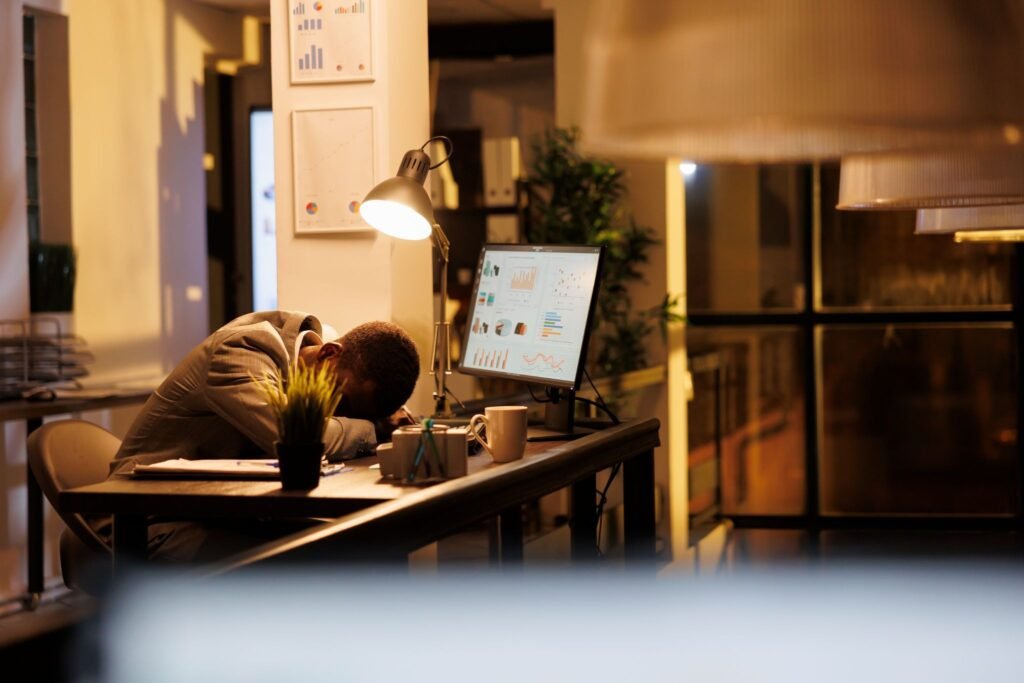
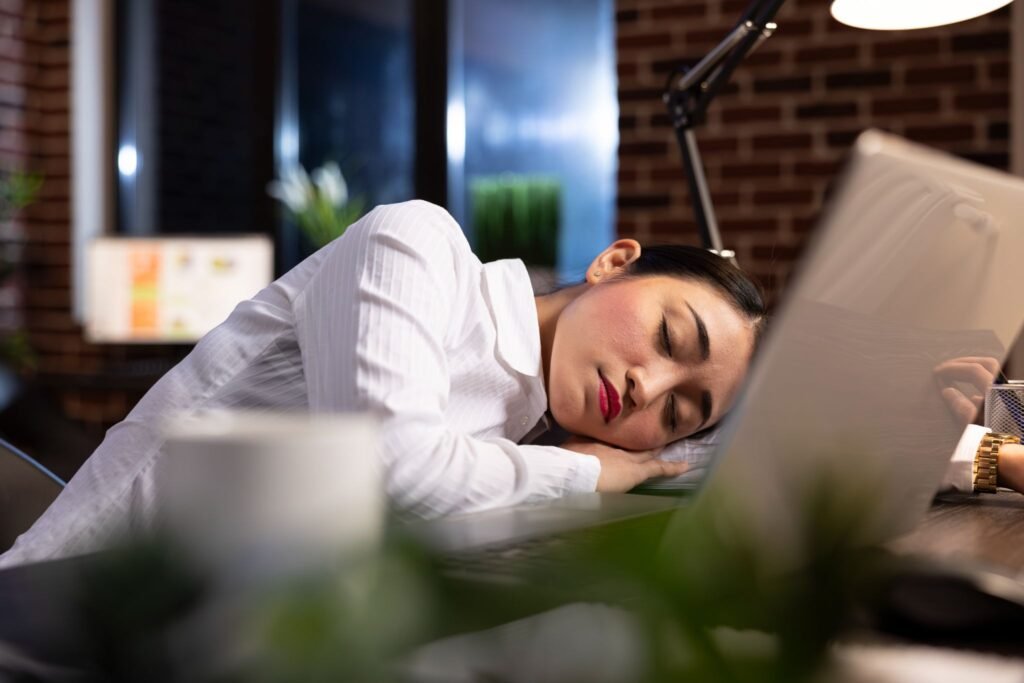
For years, I bought into the toxic workplace badge of honor that treats sleep deprivation as the ultimate proof of ambition. In high-pressure environments, it’s remarkably easy to convince yourself that shaving two hours off your night gives you two more hours to pull ahead. During an intense season earlier in my career, I regularly trimmed my sleep down to four or five hours, convinced that raw willpower, double-shot espressos, and smart task management could compensate.
The reality hit me hard. I wasn’t getting ahead; I was operating through a thick, persistent brain fog. My working memory stumbled over simple details, and my stress levels spiked until random panic attacks and creeping anxiety became regular uninvited guests. The real cost wasn’t just poor numbers—it was my mental health breaking down in real time.
When I finally hit a wall and was forced to address my sleep habits, the shift wasn’t dramatic overnight magic; it was basic physiology. Getting a full seven to eight hours didn’t just clear my headspace; it made me realize that productivity is never about doing more hours, but about having the mental capacity to do what actually matters. True high performance begins long before your morning alarm rings.
Quality sleep plays a crucial role in your cognitive function and workplace productivity, especially in high-pressure careers. Poor sleep directly impacts your decision-making abilities, creativity, and judgment, often leading to burnout and disengagement. When you’re well-rested, you’re more focused, innovative, and emotionally regulated, which enhances your performance. Prioritizing effective sleep strategies can greatly boost your overall work output and well-being. Discovering more about sleep could reveal new methods to optimize your daily productivity.
KEY TAKEAWAYS
- Sleep quality directly influences cognitive function, affecting memory, attention, and problem-solving abilities in high-pressure work environments.
- Chronic sleep deprivation leads to emotional fatigue and burnout, diminishing job satisfaction and overall workplace engagement.
- Prioritizing sleep enhances creativity and innovation, resulting in improved productivity and effective problem-solving among employees.
- Implementing sleep-friendly workplace policies fosters a supportive environment, encouraging employees to prioritize their health and well-being.
- Companies that invest in sleep initiatives see measurable benefits, including reduced burnout and enhanced focus, ultimately driving organizational success.
THE IMPACT OF SLEEP QUALITY ON COGNITIVE FUNCTION
Sleep promotes physical recovery in the body. As you sleep, your body tissues repair and strengthen. Your heart rests, and your blood pressure changes throughout the night to promote cardiovascular health. During sleep, your body also creates hormones that help your immune system fight infections, so good sleep can prevent you from getting sick and help you recover quickly.
When you don’t get enough quality sleep, your cognitive function can take a significant hit. Research shows that sleep deprivation directly correlates with cognitive decline, affecting memory, attention, and problem-solving capabilities. You know how vital these skills are in a high-pressure workplace; without sufficient rest, your brain struggles to perform at its best.
Poor sleep disrupts neural connections, making it challenging to process information and retain important details. If you’re facing tight deadlines, this can lead to increased errors and reduced creativity, ultimately stifling your ability to innovate.
Moreover, chronic sleep deprivation can contribute to a cycle of stress and anxiety, further degrading your cognitive performance. By prioritizing sleep, you empower yourself to reclaim your mental sharpness, enhance your productivity, and navigate workplace challenges with clarity.
Embracing better sleep hygiene isn’t just a personal choice; it’s a pathway to professional freedom and success.
How Does Poor Sleep Affect Decision-Making Abilities?
Although many people underestimate the impact of sleep on decision-making, insufficient rest can lead to impaired judgment and increased risk-taking behaviors.
When you’re sleep-deprived, you experience decision fatigue, making it harder to assess risks accurately and understand how to be productive when your mental energy is limited. Cognitive overload kicks in as your brain struggles to process information, leading to creativity decline and poor emotional regulation. You might find your impulse control diminished, causing snap decisions that you wouldn’t normally consider.
Furthermore, memory retention suffers, making it difficult to recall past experiences to inform your choices. With diminished judgment accuracy, you risk making choices that could harm your career or workplace relationships.
The interplay between sleep quality and decision-making reveals just how essential rest is for maintaining clarity and sound judgment. Prioritizing sleep fosters an environment where you can thrive, ensuring that your decisions reflect your true potential rather than fatigue-induced errors.
How Sleep Affects Employee Burnout
Sleep plays an essential role in mitigating employee burnout, as inadequate rest can exacerbate feelings of exhaustion and disengagement. When you’re deprived of quality sleep, employee fatigue sets in, reducing your ability to cope with workplace demands.
Research shows that chronic sleep deprivation can lead to a cycle of stress and emotional fatigue, making it harder to stay motivated and increase productivity.
Quality sleep is critical for cognitive function and emotional regulation, both of which are significant for burnout prevention. Without adequate rest, you’re more likely to experience irritability, decreased job satisfaction, and a lack of creativity.
These factors contribute to an overwhelming sense of burnout that can seep into every aspect of your professional life.
Practical Tips for Better Sleep in High-Stress Careers
Chronic sleep deprivation can greatly impact your ability to function effectively in high-stress careers. Improving your sleep hygiene and incorporating relaxation techniques can enhance your rest and productivity. Here are some practical tips to help you recharge:
| Tip | Description |
| Establish a Sleep Schedule | Go to bed and wake up at the same time daily. |
| Create a Sleep Sanctuary | Keep your bedroom dark, cool, and quiet. |
| Limit Screen Time | Avoid screens at least an hour before bed. |
These simple adjustments can create a restful environment, making it easier for you to unwind. Consider incorporating mindfulness or deep breathing exercises as a simple self care activity into your evening routine. Remember, prioritizing your sleep isn’t just about rest; it’s about reclaiming your energy and focus, essential for thriving in high-pressure situations. Embrace these strategies to harness your full potential.
Creating a Workplace Culture That Prioritizes Sleep
As employees increasingly feel the pressures of modern work environments, fostering a workplace culture that prioritizes sleep becomes essential for both individual well-being and overall productivity.
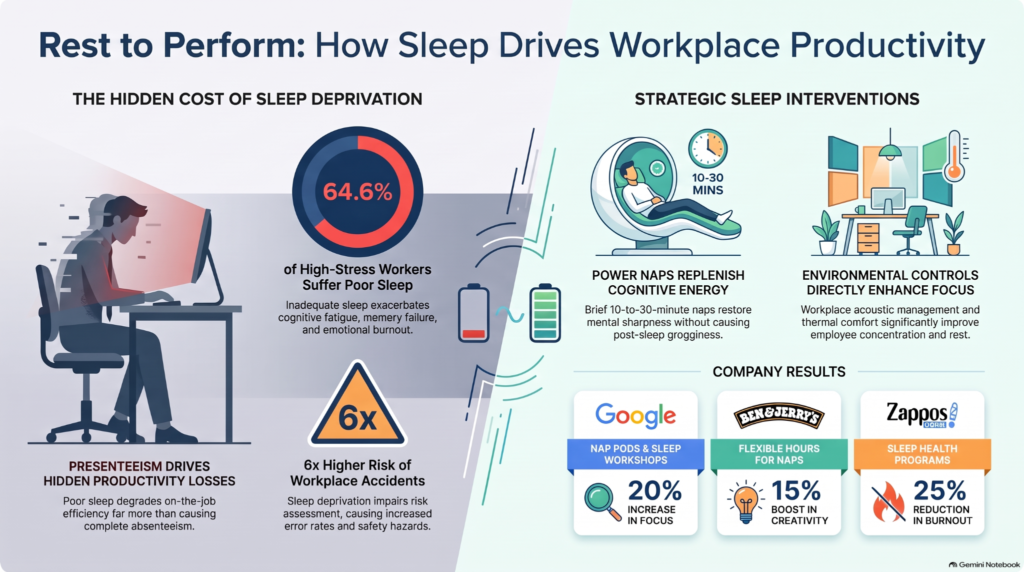
Implementing sleep-friendly policies can markedly enhance workplace morale and output. For instance, creating designated workplace nap rooms allows employees to recharge during the day, reducing burnout and improving focus. Research shows that short naps can lead to increased alertness and better decision-making.
Encouraging open conversations around sleep health can also mitigate the stigma often associated with taking breaks for rest. By promoting a culture that acknowledges the value of sleep, you empower employees to prioritize their health without fear of judgment.
This proactive approach not only enhances individual performance but cultivates a more engaged and productive workforce. Ultimately, when you value sleep, you invest in your team’s potential to thrive in high-pressure careers.
USING TECHNOLOGY TO ENHANCE SLEEP AND BOOST PRODUCTIVITY
Whenever we talk about building sustainable habits, we tend to obsess over rigid daytime productivity hacks, while leaving our evenings entirely unmanaged. When I was rebuilding my own daily routine after burnout, I realized that if your nervous system is in constant overdrive until the second you shut the laptop, quality sleep simply won’t happen.
I had to start treating rest like an experiment in behavioral science rather than an afterthought. Instead of forcing rigid, arbitrary rules, I ran simple baseline tests on the weekends to see what my body genuinely needed without an alarm clock dictated by panic. I cut screens an hour before bed, dropped the bedroom temperature down, and introduced a consistent wind-down ritual.
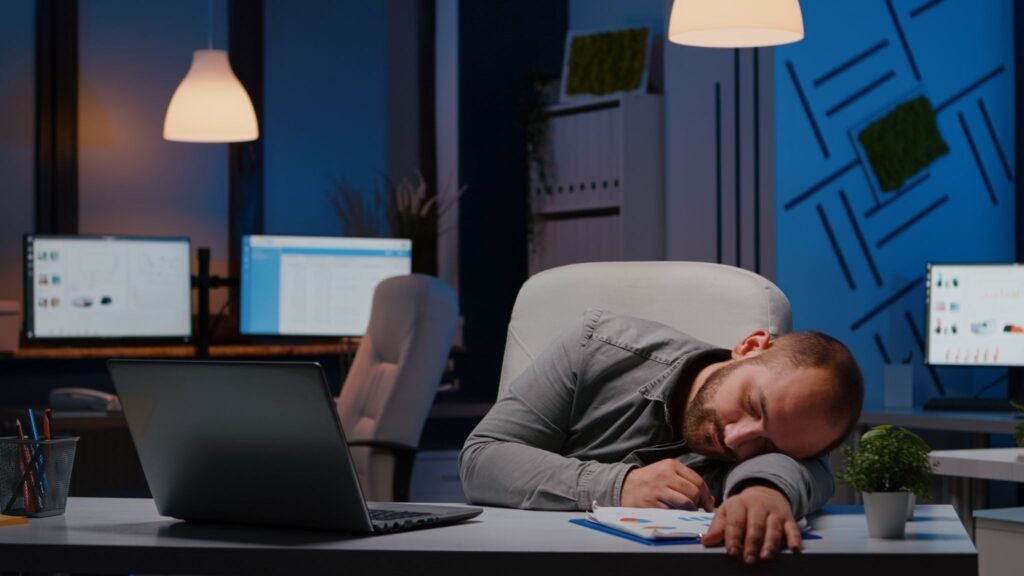
Even more transformative was unlearning the guilt around midday recovery. Between intense deep-work blocks and heavy strength-training sessions, I found that stepping away for a focused 20-minute power nap or quiet non-sleep deep rest acted like a complete cognitive reset. It keeps decision fatigue at bay and prevents the slow emotional drainage that usually creeps in by 3 PM. Giving your brain structured downtime isn’t slacking off—it’s an intentional, high-leverage tool that keeps your cognitive engine running cleanly.
Sleep supports nearly every system in the body. When we fall asleep, our eyes close, our breathing slows, and our muscles gradually relax. Neurons in the brain switch to a sleeping state, beginning many biological processes that refresh our body and mind. The rejuvenation provided by sleep is vital for our cardiovascular and immune systems, as well as our ability to think clearly, learn new information, and manage our emotions.
In today’s fast-paced world, you might find it challenging to maintain quality sleep, but technology offers valuable tools to help.
Sleep tracking applications and smart sleep gadgets can provide insights into your sleep patterns, enabling you to make informed adjustments for better rest.
Sleep Tracking Applications
Sleep is a public health priority that directly impacts workplace success. Employers, health professionals, and individuals all have a role in fostering a culture that values sleep. By making sleep a priority, we can enhance our productivity, well-being, and overall quality-of-life.
While many individuals struggle to maintain a healthy sleep routine, sleep tracking applications offer a promising solution to enhance both rest and workplace productivity. These sleep apps analyze your sleep metrics, helping you identify patterns and areas for improvement. By providing insights into your sleep cycles, duration, and quality, they empower you to make informed adjustments.
| Feature | Benefit | Example |
| Sleep Cycle Tracking | Understand sleep stages | REM, deep sleep |
| Sleep Quality Score | Evaluate overall rest | Daily sleep score |
| Wake-Up Time Alerts | Optimize morning routine | Gentle alarm |
Embracing these tools can liberate you from restless nights, allowing you to thrive in high-pressure careers. After all, quality sleep is essential for peak performance.
Smart Sleep Gadgets
Many people overlook the impact of smart sleep gadgets on their rest and productivity, yet these innovative tools can greatly enhance your sleep quality.
Smart sleep technology, like wearable sleep devices, provides valuable insights into your sleep patterns, helping you understand what disrupts your rest. By analyzing data such as heart rate and sleep cycles, these gadgets empower you to make informed adjustments to your bedtime routine.
For instance, some devices use gentle light and sound cues to promote relaxation, ensuring you drift off more easily. Embracing these tools not only fosters better sleep but also boosts your overall performance at work.
With improved rest, you’ll experience greater clarity, focus, and creativity, ultimately leading to a more fulfilling career.
Success Stories: Companies That Improved Productivity Through Sleep Initiatives
As organizations increasingly recognize the link between sleep quality and workplace productivity, several companies have successfully implemented sleep initiatives that transformed their work environments and enhanced employee performance. Let’s explore how these sleep policies have positively impacted productivity metrics.
| Company | Initiative | Result |
| Nap Pods and Sleep Workshops | 20% increase in focus | |
| Ben & Jerry’s | Flexible Hours for Naps | 15% boost in creativity |
| Zappos | Sleep Health Programs | 25% reduction in burnout |
RELATED STUDIES ABOUT SLEEP QUALITY AND WORKPLACE PRODUCTIVITY
As you navigate the demands of a high-pressure career, consider the hidden link between sleep quality and your productivity. Ignoring your sleep can lead to poor decision-making, increased burnout, and a decline in overall performance. But what if prioritizing rest could reveal not just your potential, but that of your entire team? Imagine the transformative power of a workplace that values sleep—could it be the key to thriving in your role? The answer may surprise you.
Wake up and get some sleep: Reviewing workplace napping and charting future directions
This systematic scoping review evaluates the multidisciplinary literature on workplace napping (WN), conceptualizing it as an active energy management and recovery strategy and outlining practical considerations for human resource management (HRM) and organizational policy.
Study Overview & Methodology:
- Research Objective: Synthesizes fragmented empirical, theoretical, and popular-press literature on workplace napping to define the construct, assess employee and organizational outcomes, and examine the role of HR managers in normalizing WN.
- Scoping Search & Screening: Searched Scopus, ProQuest, EBSCO, and Google Scholar using a broad protocol combining peer-reviewed journals, conference papers, book chapters, and industry news sources, identifying 96 publications for thematic synthesis.
- Methodological Synthesis: Identified core emerging themes across definitions/characteristics, theoretical mechanisms, cultural/demographic variations, and industry practices.
Conceptual Definition & Theoretical Foundations:
- Formal Definition: The authors define WN as “the active form of recovery process via sleep whereby an employee detaches from work to conserve physical and psychological resources,” typically lasting an uninterrupted duration of 10 to 45 minutes.
- Differentiation from Rest and Deep Sleep:
- Rest: A broad category involving reduced physical or cognitive activity without complete sensory disengagement.
- Sleep: A naturally recurring physiological state of altered consciousness characterized by muscle inhibition during REM sleep and progression into deep slow-wave stages (Stage 3, 90+ minutes).
- Napping: Short sleep bouts (typically 10 to 40 minutes); “power naps” last under 20 to 30 minutes, avoiding the grogginess and sleep inertia caused by awakening from slow-wave sleep.
- Theoretical Frameworks: Grounded in three organizational behavior models:
- Effort-Recovery Model: Posits that short naps allow activated physiological and mental systems to return to baseline, preventing cumulative fatigue.
- Conservation of Resources (COR) Theory: Frames napping as a means to replenish depleted cognitive, energetic, and emotional resources against ongoing workplace demands.
- Psychological Detachment Theory: Connects brief disengagement from work-related thoughts during the day to reduced negative affect, improved mood, and renewed focus.
- The Incubation Effect: Suggests that stepping away from difficult tasks during brief naps facilitates subconscious information processing, aiding creative problem-solving.
Key Findings on Employee & Organizational Outcomes:
- Cognitive & Performance Benefits: Afternoon power naps (10 to 30 minutes) significantly improve objective alertness, reaction time, sustained attention, concentration, working memory, and psychomotor performance.
- Physical & Mental Well-Being: Midday napping reduces cardiovascular strain, lowers blood pressure, regulates salivary interleukin-6 and norepinephrine responses to stress, and mitigates risks of burnout.
- Safety & Productivity: Sleep-deprived employees are up to six times more likely to be involved in workplace accidents. Providing scheduled nap opportunities lowers on-the-job errors, cuts absenteeism, and offsets productivity losses, especially in shift work, transportation, and healthcare.
Contextual, Cultural, & Demographic Influences:
- Cultural Practices: Examines historical traditions—including the Spanish and Mediterranean siesta, Vietnamese ngủ-trưa, Chinese xiuxi, and Japanese inemuri (“sleeping while present” as a sign of dedication)—contrasting them with Western attitudes that have traditionally stigmatized workplace sleeping as laziness.
- Socioeconomic & Demographic Disparities: Inadequate sleep disproportionately affects lower-income and underrepresented populations due to higher job stress, shift work, and structural inequities. Generational differences also emerge, with Gen Z (80%) and Millennials (70%) reporting higher participation in napping.
- Industry Variations: High napping rates are reported in technology (70%) and public administration (68%), where tech companies (e.g., Google, Facebook, Nike, Zappos) actively install sleep pods and dedicated Zen rooms. Conversely, high-risk operational sectors (construction, finance, transportation) often formally prohibit napping despite widespread informal employee adherence.
Strategic & Managerial Implications:
- Overcoming Stigma via Official Policies: Moving WN from an illicit, concealed behavior to a sanctioned wellness practice requires clear organizational communication, managerial role-modeling, and eliminating penalties for taking restorative breaks.
- Optimized Dosing Guidelines: Recommends daytime naps of 10 to 30 minutes scheduled during the post-lunch circadian dip (early afternoon), avoiding naps longer than 45 minutes to minimize sleep inertia.
- Implementation Steps for HR:
- Survey employee interest and assess fatigue risks across job functions.
- Form cross-functional task forces to establish guidelines and designate quiet physical spaces (e.g., sleep pods, darkened break rooms).
- Pilot programs with clear evaluation metrics (e.g., worker satisfaction, fatigue tracking, error rates) before company-wide rollout.
- Offer employee education on sleep hygiene, circadian rhythms, and power napping to support overall health literacy.
| REFERENCE: Amitabh Anand, Rita Tóth, Jessica L. Doll, Sanjay Kumar Singh, Wake up and get some sleep: Reviewing workplace napping and charting future directions, European Management Journal, Volume 43, Issue 4, 2025, Pages 561-572, ISSN 0263-2373, https://doi.org/10.1016/j.emj.2024.04.003. (https://www.sciencedirect.com/science/article/pii/S0263237324000550) |
Sleep and work productivity loss in multiple sclerosis: An Australian study
This study evaluates the relationship between sleep disruptions—specifically poor sleep quality and daytime sleepiness—and work productivity loss among individuals living with multiple sclerosis (MS) in Australia, while determining the mediating influence of common MS symptom clusters.
Study Overview & Methodology:
- Cohort & Data Source: Analyzed cross-sectional data from 526 employed participants enrolled in the Australian Multiple Sclerosis Longitudinal Study (AMSLS) who completed the 2019 Disease Course Survey and the 2020 MS Nurses and Sleep Survey.
- Participant Characteristics: The sample had a mean age of 50.8 years, was predominantly female (84.8%), 55.9% held a university degree, 82.8% had relapsing-onset MS, and the average duration since diagnosis was 13.6 years.
- Measurement Tools:
- Work Productivity Loss: Measured using the Work Productivity and Activity Impairment: MS version (WPAI: MS) questionnaire over an extended 4-week recall period, assessing total work productivity loss, presenteeism, and absenteeism.
- Sleep Parameters: Pittsburgh Sleep Quality Index (PSQI; scores greater than 5 indicate poor sleep quality) and the Epworth Sleepiness Scale (ESS; scores of 11 or higher indicate abnormal daytime sleepiness).
- MS Symptoms: Assessed using MS Symptoms Scores (MSSymS; 0–10 numeric rating scale across 13 symptoms), grouped into four multivariable clusters: fatigue and cognitive symptoms; pain and sensory symptoms; anxiety and depression; and walking, balance, and spasticity difficulties.
- Analytical Approach: Due to the zero-inflated distribution of productivity loss data, associations and marginal effects were estimated using Cragg hurdle regression models adjusting for age, sex, and education level.
Key Findings:
- High Prevalence of Sleep Dysfunction & Productivity Impairment:
- Poor sleep quality was present in 64.6% of the cohort, and 20.9% exhibited abnormal daytime sleepiness.
- The prevalence of any work productivity loss was substantially higher among poor sleepers (59.7%) compared to good sleepers (34.4%, p < 0.001).
- Mean total work productivity loss across the entire sample was 14.0%, but reached 18.1% among poor sleepers compared to 6.4% in good sleepers (p < 0.001).
- Direct Associations with Sleep Measures:
- Each 1-unit increase in PSQI score (worse sleep quality) was associated with a 2.9 percentage point increase in total work productivity loss (beta = 2.9, 95% CI [1.9, 3.8]).
- Each 1-unit increase in ESS score (greater daytime sleepiness) was associated with a 2.1 percentage point increase in total work productivity loss (beta = 2.1, 95% CI [1.4, 2.8]).
- Presenteeism Drives the Disparity:
- Both sleep measures showed substantially stronger associations with presenteeism than with absenteeism.
- The effect of poor sleep quality on presenteeism (beta = 1.9, 95% CI [1.3, 2.6]) was more than triple its effect on absenteeism (beta = 0.6, 95% CI [0.3, 0.9]), indicating that sleep-related vocational impairment primarily manifests as reduced on-the-job efficiency while working rather than days absent.
Mediation by MS Symptoms:
- Substantial Symptom Attenuation: Including the four MS symptom clusters attenuated the association between PSQI and total productivity loss by 58.6%, and between ESS and total productivity loss by 71.4%.
- Full Mediation of Daytime Sleepiness: Daytime sleepiness became statistically non-significant for both presenteeism and absenteeism once symptom clusters were added, demonstrating near-complete mediation.
- Primary Mediating Clusters:
- Fatigue and cognitive symptoms served as the single strongest mediator across total productivity loss, absenteeism, and daytime sleepiness models.
- Pain and sensory symptoms functioned as the second strongest mediator, particularly for presenteeism.
- Reverse mediation analyses showed that sleep measures only marginally altered the direct effects of symptom clusters on productivity, supporting a pathway where poor sleep operates upstream to worsen fatigue, cognitive impairment, and central pain sensitization.
Clinical & Occupational Implications:
- Routine Sleep Assessment: Healthcare providers should integrate brief, validated sleep screening tools (PSQI, ESS) into routine clinical evaluations for working-age adults with MS.
- Multitargeted Sleep Interventions: Treating sleep disorders—through cognitive behavioral therapy for insomnia (CBT-I), sleep hygiene education, or medical management of coexisting sleep disorders—offers a dual benefit by directly restoring work productivity and indirectly reducing daytime fatigue, cognitive dysfunction, and sensory pain.
- Workplace Support for Presenteeism: Because occupational impairment primarily presents as on-the-job productivity decline rather than absence, employers should consider flexible pacing, scheduled rest breaks, and cognitive workload management to support employee retention and functioning.
| REFERENCE: Baye Dagnew, Laura L Laslett, Cynthia A Honan, Bruce V Taylor, Alice Saul, Ingrid van der Mei, Sleep and work productivity loss in multiple sclerosis: An Australian study, Multiple Sclerosis and Related Disorders, Volume 103, 2025, 106738, ISSN 2211-0348, https://doi.org/10.1016/j.msard.2025.106738. (https://www.sciencedirect.com/science/article/pii/S2211034825004808) |
Workplace design for human flourishing: Evidence from a purpose-built, health-promoting corporate headquarters in Thailand
This longitudinal study examines how relocating from dispersed office buildings and home-based remote work to a purpose-built, health-promoting corporate headquarters in Bangkok, Thailand, influences employee indoor environmental quality (IEQ) satisfaction, well-being, work engagement, concentration, and productivity.
Study Overview & Methodology:
- Research Setting & Scope: Investigated knowledge workers at DTGO Corporation Limited across three distinct operational phases: pre-pandemic dispersed worksites in 2019 (Wave 1, n = 581), remote work during COVID-19 in 2021 (Wave 2, n = 602), and occupation of a newly consolidated, biophilic corporate campus (“CampUS”) in 2023 (Wave 3, n = 714). The longitudinal analytical sample comprised 493 employees participating in at least two survey waves (including 230 completing all three).
- Evaluated Facility: The purpose-built headquarters incorporated enhanced air filtration systems, biophilic greenery, expansive outdoor nature views, flexible workstations, dedicated fitness zones, nap rooms with sleep pods, and healthy dining amenities. The facility was situated on the city’s periphery, approximately 10 km from former worksites.
- Measurement Tools: Administered the validated Flourishing Index (measuring physical/mental health, happiness, meaning, relationships, and character), the Utrecht Work Engagement Scale-9 (UWES-9), single-item sleep quality metrics, Karolinska-adapted alertness scales for concentration, Work Limitations Questionnaire items for productivity, and multi-domain perceptual IEQ satisfaction ratings.
- Analytical Strategy: Applied mixed-effects linear and logistic regression models with employee-level random intercepts, adjusting for time-varying covariates including job level and weekly office attendance. The quantitative findings were triangulated with four post-occupancy qualitative focus groups (n = 34).
Key Findings:
- Significant Gains in IEQ Satisfaction: Transitioning to the new headquarters produced substantial, statistically significant increases in satisfaction across all evaluated IEQ domains. The largest positive gains were observed for indoor air quality (beta = 1.25, p < 0.001), views of nature (beta = 0.85, p < 0.001), and noise control (beta = 0.75, p < 0.001) relative to baseline offices.
- IEQ Domain Linkages to Well-Being and Work:
- Flourishing: Satisfaction with all individual IEQ dimensions (air quality, natural light, view, thermal conditions, noise) was positively associated with higher overall well-being (beta values ranging from 0.10 to 0.12, p < 0.05).
- Noise as the Primary Performance Driver: Satisfaction with acoustic control exhibited the broadest positive influence across outcomes, correlating significantly with well-being, sleep quality, concentration, reduced IEQ-related productivity loss, and higher odds of perceived productivity (OR = 1.36, p = 0.003).
- Thermal and Visual Conditions: Thermal satisfaction was associated with better sleep quality, improved concentration, and reduced productivity interference. Views of nature significantly predicted higher work engagement (beta = 0.17, p = 0.002) and increased odds of perceived productivity (OR = 1.41, p = 0.001).
- Mixed Effects of Headquarters Relocation:
- Moving from home-based work (Wave 2) to the campus (Wave 3) markedly increased work engagement (beta = 2.81, p < 0.001) and improved sleep quality (beta = 0.11, p = 0.016).
- However, returning to the office was also accompanied by a decline in overall flourishing (beta = -0.30, p = 0.006) and lower concentration/focus (beta = -0.67, p < 0.001), while perceived productivity gains remained neutral.
- The Moderating Role of Commuting Burden:
- Travel Friction: Over 63% of employees reported a lengthened commute following the move to the suburban campus, with 40.8% traveling 31–60 minutes and 40.6% traveling over an hour one-way.
- Attenuation of Building Benefits: Commuting time acted as a negative dose-response penalty on flourishing (reaching -1.10 points on a 0–10 scale for commutes >120 minutes, p = 0.001) and attenuated relocation-related engagement gains.
- Sleep and Concentration Reversal: Employees with short commutes experienced improved sleep quality and maintained focus at the new headquarters, whereas these benefits were attenuated and reversed among employees with long commutes (commutes >120 minutes were associated with a significant decrease in sleep quality: interaction beta = -0.82, p < 0.001).
- The “Commute-Worthy” Work Disconnect: Qualitative focus groups highlighted that while employees valued campus collaboration and face-to-face problem solving, quiet focus work was performed more efficiently at home due to fewer conversational interruptions. High physical facility quality alone was considered insufficient to justify arduous daily travel for routine administrative work.
- Methodological Insights: Retrospective comparative questions (asking occupants to contrast current daylight/views directly against former spaces) showed only modest correlation (r approx. 0.18–0.20) with mathematically derived change scores, but demonstrated higher statistical sensitivity in predicting psychological and performance outcomes.
Practical & Organizational Implications:
- Prioritize High-Impact IEQ Investments: When budgeting for interior health design, organizations should prioritize acoustic control and thermal comfort, as these factors exert the most consistent influence on cognitive concentration, sleep, and task productivity.
- Balance Architecture with Transit Accessibility: The health benefits of purpose-built, biophilic offices cannot be isolated from spatial location; corporate moves to peripheral sites require subsidizing flexible hybrid arrangements or commuter transit options to prevent travel fatigue from eroding employee flourishing.
- Align Physical Presence with Task Type: Employers should avoid rigid on-site attendance mandates, reserving in-office time for collaborative and social tasks (“commute-worthy activities”) while supporting remote flexibility for individual, deep-focus tasks.
| REFERENCE: Dorota Weziak-Bialowolska, Linda Powers Tomasso, John D. Spengler, Workplace design for human flourishing: Evidence from a purpose-built, health-promoting corporate headquarters in Thailand, Journal of Building Engineering, Volume 128, 2026, 116546, ISSN 2352-7102, https://doi.org/10.1016/j.jobe.2026.116546. (https://www.sciencedirect.com/science/article/pii/S2352710226013677) |
CONCLUSION
Looking back at both the data and my personal recovery journey, one truth stands out: sacrificing sleep for your career is a terrible trade with compounding negative interest. We often talk about productivity loss as abstract percentages on a corporate report, but in daily life, it manifests as presenteeism—dragging yourself to your desk, staring blankly at documents, and snapping at colleagues because your emotional regulation is fried.
Real professional growth isn’t about running yourself ragged to hit an impossible ideal. It’s about designing an honest, sustainable system where your health and your work reinforce each other instead of competing. You don’t need an overnight life overhaul to fix this, either. Start with small, non-negotiable adjustments: protect your bedtime by thirty minutes, build a low-friction evening wind-down routine, and respect your body’s need to step away from the noise.
When you prioritize sleep quality, you aren’t sacrificing output; you are securing the baseline clarity, emotional resilience, and sustained focus required to do meaningful work without burning your life down in the process. Protect your rest like your career depends on it—because it truly does.