
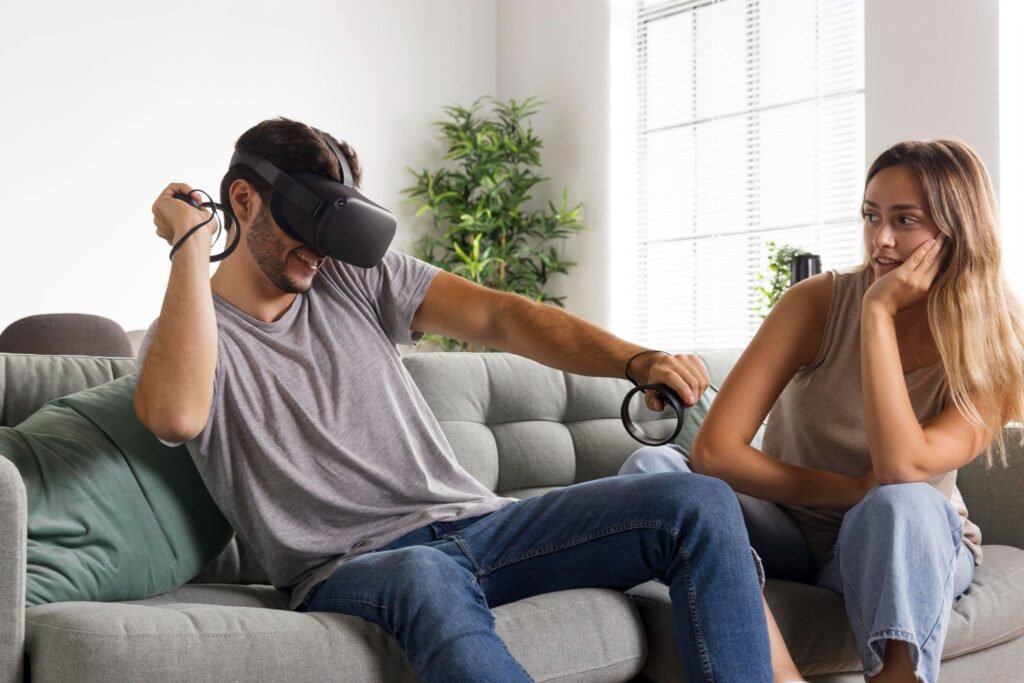
Whenever I talk with clients or friends about leisure, there is an unspoken hierarchy of what counts as “healthy” recreation. People readily praise a weekend spent working on a pottery wheel, hiking a quiet forest trail, or tending a vegetable garden, but mention playing twenty minutes of a cozy puzzle game on a phone, and a sense of guilt immediately creeps into the conversation. In behavioral health, we look closely at how micro-restorative activities impact our nervous system, and casual gaming has unfairly carried the stigma of being mindless screen time.
From a cognitive and behavioral perspective, low-stakes digital play functions as an accessible, high-agency mental reset. When you are balancing high cognitive loads at work or managing sensory exhaustion, jumping straight into a physically demanding hobby isn’t always realistic.
A colorful, low-pressure game acts as a bridge: it provides clear, achievable boundaries, predictable sensory rewards, and immediate cognitive absorption that helps quiet the sympathetic nervous system. We need to dismantle the puritanical belief that recreation only counts if it produces a physical artifact or burns calories. Used intentionally, casual gaming offers a practical, restorative micro-break that helps settle emotional noise and reset your focus for the rest of the day.
Casual gaming can considerably enhance your mood and overall mental health. Engaging in colorful, immersive games lowers anxiety and promotes positive emotions. These games provide a sense of accomplishment, boosting self-esteem and motivation. However, it’s essential to maintain balance by setting gaming limits and recognizing when to take breaks to prevent stress. By being mindful of your emotional responses during gameplay, you can cultivate a healthier relationship with gaming and emotional wellness. Discover more about optimizing your gaming experience.
KEY TAKEAWAYS
- Casual gaming enhances mental health by providing relaxation and enjoyment, lowering anxiety, and uplifting mood through engaging challenges and colorful environments.
- Games like Candy Crush and Animal Crossing evoke positive emotions and foster social interaction, combating feelings of isolation and promoting emotional connection.
- Achieving milestones in casual games boosts self-esteem and motivation while honing problem-solving skills, leading to a sense of accomplishment and community engagement.
- Maintaining balanced gaming habits involves setting specific gaming hours, prioritizing tasks, and recognizing emotional triggers to prevent gaming-related stress.
- Regular breaks from gaming are essential for recharging the mind, preventing fatigue, and encouraging social interactions, promoting a healthier overall gaming experience.
THE BENEFITS OF CASUAL GAMING FOR MENTAL HEALTH
While you might think of gaming as merely a pastime, research shows that casual gaming can considerably enhance your mental health. Engaging in casual gaming allows you to escape daily stressors, providing a sense of relaxation and enjoyment.
Studies indicate that this form of entertainment can lower anxiety levels and promote a positive mood, contributing to overall mental wellness. Understanding the science of hobbies and mental health improvement also highlights how casual gaming can provide relaxation, encourage positive emotions, and support emotional well-being.
Moreover, casual gaming often encourages social interaction, whether through online platforms or shared experiences with friends. This social aspect fosters connections, enhancing your support system and combating feelings of isolation.
Additionally, the simple act of playing games can stimulate cognitive functions, improving problem-solving skills and creativity.
In essence, casual gaming isn’t just a way to unwind; it’s an accessible tool for nurturing your mental health. By recognizing its benefits, you empower yourself to harness gaming as a positive influence in your life, promoting emotional freedom and resilience.
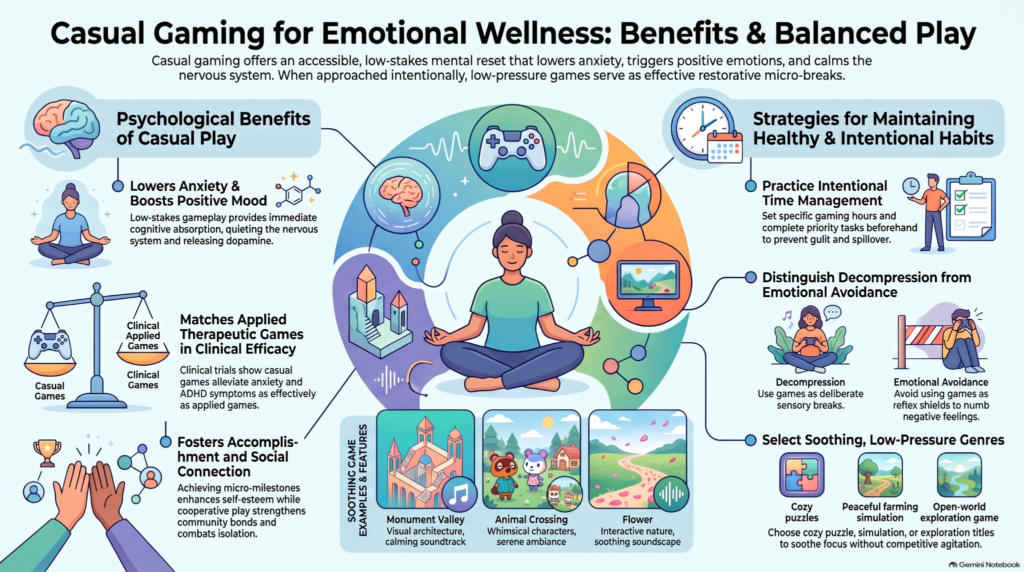
How Casual Games Promote Positive Emotions
Casual games have a unique ability to evoke positive emotions, as they often provide an immersive escape that allows you to engage with colorful environments and enjoyable challenges. Similar to journaling as recreational self-care scientific benefits, casual gaming can provide a simple way to unwind, process everyday stress, and support emotional balance when enjoyed in moderation.
These games foster an emotional connection, drawing you into their vibrant worlds, which can uplift your mood and reduce stress. The simplicity and accessibility of casual gaming create opportunities for social interaction, whether you’re collaborating with friends or competing against others.
This interaction can enhance feelings of belonging and camaraderie, reinforcing your sense of community. Research indicates that gaming can trigger the release of dopamine, a neurotransmitter associated with pleasure and satisfaction, further promoting positive feelings.
By balancing relaxation and engagement, casual games serve as a tool for emotional wellness, allowing you to unwind while also nurturing social bonds.
Ultimately, these experiences empower you to cultivate joy and resilience in your daily life.
Examples of Casual Games That Boost Your Mood
Video games can be an effective tool for stress relief, often sparking positive emotions and reducing anxiety. Research highlights that cooperative play can enhance stress reduction more than competitive gaming. While concerns exist about the effects of violent games, the overall data supports that gaming can improve emotional coping skills without evident negative impacts on real-world behavior.
Many casual games are specifically designed to uplift your spirits and enhance your well-being. These games often feature colorful puzzles and soothing music, creating an immersive experience that promotes relaxation and joy. Here are some examples:
| Game Title | Features |
| Candy Crush | Colorful puzzles, engaging soundtracks |
| Monument Valley | Stunning visuals, calming music |
| Animal Crossing | Whimsical characters, soothing ambiance |
| Tetris 99 | Fast-paced puzzles, nostalgic tunes |
| Flower | Interactive nature, serene soundscape |
Playing these games not only distracts you from stress but also provides a joyful outlet for self-expression. The engaging mechanics and vibrant designs stimulate your mind, while the soothing music helps you unwind. Ultimately, these casual games serve as a powerful tool for emotional wellness, allowing you to reclaim your sense of freedom in a delightful virtual world.
Achieving a Sense of Accomplishment in Casual Games
Casual games are built for accessibility, which makes them an ideal stress relief tool. Unlike competitive esports or marathon gaming sessions, casual play is low-stakes and easy to control. Adults can choose when to play, how long to engage, and whether to play solo or with friends. This flexibility helps create a sense of relaxation and escape, much like reading a book or watching a lighthearted show.
Achievement in gaming can greatly enhance your overall mood and sense of well-being. When you tackle casual challenges, you can experience a tangible sense of accomplishment, which boosts your self-esteem and reduces stress.
This dynamic plays a key role in emotional wellness, as achievement rewards provide instant gratification.
Consider these benefits:
- Motivation: Each completed challenge fuels your desire to continue playing and improving.
- Skill Development: Maneuvering through casual games hones your problem-solving skills, making you feel more competent.
- Community Connection: Sharing achievements with friends or online can foster a sense of belonging.

FINDING BALANCE IN YOUR GAMING HABITS
In my research on recreational habits and stress resilience, I often examine the delicate border where restorative play slips into avoidance. The data on adult gaming behaviors shows that the primary motivation for playing casual games is coping and stress regulation. That in itself is not problematic; in fact, healthy leisure should help us decompress. However, what makes casual games soothing—predictable reward loops, steady progression, and gentle audiovisual feedback—is the exact mechanism that can turn twenty minutes of deliberate relaxation into hours of emotional avoidance.
When I climb, every handhold requires total somatic presence; if my mind wanders, my grip slips. Casual games require much less physical accountability, making it easy to slip into autopilot. When adults experience fatigue or role strain, they often use games as an emotional buffer to numb underlying feelings like irritation, guilt, or anxiety. If you find yourself reaching for a game the second a difficult email lands in your inbox, or if you feel irritable when a session ends, the game is no longer functioning as recreation—it has become a defensive shield.
The key to protecting the restorative value of gaming is treating it like an active sensory choice rather than a default reflex. Set an intentional stopping point, pay attention to how your body feels before and after, and ensure the game is recharging your mental battery rather than draining it unnoticed.
Video games have evolved far beyond mere entertainment. As interactive, immersive, and emotionally engaging experiences, they are uniquely positioned to influence how players regulate their moods. Whether offering a tranquil escape or an adrenaline-fueled outlet, games enable users to engage with their emotional states in ways that are personal, purposeful, and powerful.
Finding balance in your gaming habits is essential for maintaining emotional well-being.
By managing your gaming time effectively, recognizing what triggers your emotions, and choosing games that promote relaxation, you can create a healthier relationship with gaming.
This thoughtful approach not only enhances your gaming experience but also supports your overall mood regulation.
Gaming Time Management
While gaming can be a valuable tool for mood regulation, it’s crucial to manage your time effectively to avoid negative impacts on other areas of your life.
Striking a balance in your gaming habits requires intentional time allocation and well-structured gaming schedules. Here are some strategies to help you enjoy gaming without compromising other responsibilities:
- Set specific gaming hours to maintain a healthy routine.
- Prioritize tasks before gaming sessions to prevent guilt and distractions.
- Reflect on your gaming experiences regularly to guarantee they align with your emotional needs.
Recognizing Emotional Triggers
As you navigate your gaming experiences, recognizing emotional triggers can greatly enhance your ability to maintain balance in your habits.
Developing trigger awareness allows you to identify specific feelings that arise during or after gameplay. For instance, do you find yourself feeling frustrated after a competitive match, or relaxed during casual play?
Emotional identification is essential; it helps you understand how different games affect your mood. By acknowledging these triggers, you can make more informed choices about your gaming habits and their impact on your emotional wellness.
Creating a healthier gaming routine means prioritizing experiences that uplift you while avoiding those that lead to negative feelings.
Ultimately, this awareness empowers you to enjoy gaming as a source of freedom and relaxation.
Choosing Relaxing Games
Many gamers overlook the importance of selecting relaxing games as an essential step in achieving emotional balance.
Choosing the right game genres can help you unwind and recharge, allowing you to enjoy the freedom gaming offers without added stress. Consider your player preferences and explore options that soothe rather than agitate.
- Casual simulation games: Engage in creative activities without pressure.
- Puzzle games: Challenge your mind while maintaining a calming pace.
- Nature exploration games: Immerse yourself in tranquil environments to promote relaxation.
Effective Strategies to Use Casual Gaming for Relaxation
Casual gaming can serve as an effective tool for relaxation, especially when you approach it with intentional strategies. When enjoyed in moderation, gaming can become a rewarding self care activity that helps relieve stress, improve your mood, and support emotional wellness. To maximize your relaxation, consider selecting game types that promote calmness, such as puzzle games or simulation experiences. These often require less intense focus, allowing your mind to unwind.
Engaging in social interaction through multiplayer games can also enhance your relaxation. Connecting with friends or meeting new players can provide a sense of community, reducing feelings of isolation and boosting your mood.
Set specific time limits for your gaming sessions to guarantee that you maintain balance in your life. This can prevent gaming from becoming a source of stress rather than a tool for relaxation.
Finally, reflect on how different games affect your mood—being aware of what makes you feel good is essential. By employing these strategies, you can enjoy casual gaming while fostering emotional wellness and relaxation.
When to Take a Break From Gaming?
How do you know when it’s time to step away from the screen? Recognizing the signs of gaming burnout is vital for maintaining your emotional wellness and social interaction.
If you notice any of the following, it might be time for a break:
- You’re feeling frustrated or irritable while playing, rather than relaxed.
- You’ve neglected social interactions or other interests in favor of gaming.
- You’re experiencing fatigue or headaches after extended sessions.
Taking regular breaks not only helps recharge your mind but also allows you to reconnect with friends and family.
Gaming should be enjoyable, not a source of stress. If you find yourself dreading gameplay instead of looking forward to it, listen to those feelings.
Step back, engage in alternative activities, and come back refreshed. Finding balance is essential for keeping gaming a positive part of your life.
RELATED STUDIES ABOUT CASUAL GAMING AND MOOD REGULATION
In the grand tapestry of life, casual gaming can be a vibrant thread that enhances your emotional well-being. By engaging with these games, you can cultivate positive emotions and achieve a sense of accomplishment, all while finding moments of relaxation. However, it’s essential to strike a balance and recognize when it’s time to step away. Embrace casual gaming as a tool for mood regulation, but always listen to your needs and guarantee it enriches your life, not detracts from it.
Effectiveness of applied and casual games for young people’s mental health: A systematic review of randomised controlled studies
This systematic review synthesizes randomized controlled trials (RCTs) evaluating the effectiveness of digital applied and casual games in improving mental health across both (sub)clinical and healthy youth aged 6 to 24 years.
Study Overview & Conceptual Framework
- Clinical & Systemic Context: Mental health problems affect rising proportions of children, adolescents, and young adults, contributing substantially to the global disease burden. Conventional face-to-face psychotherapies (primarily cognitive-behavioral therapy) demonstrate modest average improvements, with roughly 37% of youth failing to respond and high rates of premature dropout linked to low motivation and engagement. Digital interventions—specifically digital games—offer potential solutions regarding scalability, uptake, cost-effectiveness, and intrinsic appeal.
- Typology of Digital Games:
- Applied Games: Interventions incorporating game mechanics (gamification) or designed as dedicated immersive games (serious games) whose explicit primary goal is education, symptom reduction, or behavioral change.
- Casual Games: Readily accessible, commercial off-the-shelf entertainment games designed purely for recreational play and enjoyment without an explicit therapeutic design.
- The Role of Nonspecific Factors: In psychotherapy research, non-technique-specific elements (e.g., treatment expectations, hope, mindset, client-therapist alliance, motivation to change) often account for larger proportions of therapeutic variance than specific treatment modalities. Because casual games lack embedded psychotherapeutic exercises yet often yield positive mental health shifts, understanding whether applied game outcomes are driven by designed therapeutic mechanics or broader nonspecific factors represents a critical inquiry.
- Review Objectives: Systematically map RCT evidence across both applied and casual games, evaluating outcomes across clinical and healthy youth populations, examining comparison condition rigor, identifying the use of multimodal interventions, and assessing the degree to which nonspecific factors and study biases have been addressed.
Methodology & Search Architecture
- Reporting Standards & Databases: Conducted in adherence with PRISMA guidelines across PsycINFO, Web of Science, and PubMed (searches run through July 22, 2023).
- Inclusion Criteria:
- Population: Youth samples with a mean age between 6 and 24 years.
- Intervention: Digital games (applied or casual) evaluated either as standalone interventions or combined with treatment-as-usual/active therapies (multimodal interventions). Non-digital games, board games, gambling games, physical sports games, and games used solely as diagnostic or manipulation tools were excluded.
- Outcomes: Quantitative mental health outcomes (internalizing, externalizing, neurodevelopmental, psychotic, or personality domains) or positive well-being/physiological stress metrics.
- Study Design: Parallel, cluster, or crossover randomized controlled trials. For crossover designs, only data from the pre-crossover first period were extracted to prevent carryover contamination.
- Data Synthesis & Forest Plots:
- Identified 145 eligible published papers.
- Standardized mean differences (Cohen’s d with 95% confidence intervals) were calculated at immediate post-test.
- Due to severe clinical, design, and outcome heterogeneity, formal meta-analytic pooling (summary diamonds) was precluded; findings were instead synthesized through structured subgroup categorization and forest plot panels grouped by comparison types.
- Cluster RCT sample sizes were mathematically adjusted to effective sample sizes using design effect calculations based on intracluster correlation coefficients.
- Risk of Bias: Assessed using the revised Cochrane Risk of Bias tool for randomized trials (RoB 2.0).
Key Findings in (Sub)Clinical Populations (75 Studies)
- Target Conditions: The (sub)clinical literature focused predominantly on attention-deficit/hyperactivity disorder (ADHD) and attentional deficits (n=22), autism and social communication challenges (n=17), and anxiety disorders (n=17), followed by depressive symptoms (n=7), psychosis (n=5), and externalizing problems (n=3).
- Relative Efficacy of Applied Games:
- Across comparisons, applied games consistently outperformed passive control conditions (5 studies), matched active/gold-standard therapies in head-to-head trials (19 studies), and occasionally exceeded active controls (4 studies).
- Their equivalence to established, multi-component face-to-face therapies (such as traditional CBT) underscores their promise as scalable, lower-cost interventions.
- Applied games demonstrated their strongest clinical utility in improving social skills among youth on the autism spectrum, enhancing verbal memory in early psychosis, and reducing pediatric anxiety.
- In contrast, applied games showed more limited efficacy in treating ADHD and depression, frequently failing to outperform control groups. This may reflect the multifaceted biological heterogeneity of these syndromes or insufficient interaction doses with the therapeutic mechanics.
- Relative Efficacy of Casual Games:
- In the majority of clinical trials that incorporated a casual game arm, casual games performed as effectively as applied games and active treatment-as-usual controls.
- Casual games proved most effective for alleviating depressive symptoms, anxiety, and ADHD symptoms. Because applied games showed weaker results in ADHD and depression, casual games represent an accessible, highly scalable, and cost-effective clinical alternative.
Key Findings in Healthy Youth Populations (70 Studies)
- Medical Distraction (24 Studies):
- Primarily utilized casual games as acute distraction tools during stressful medical procedures (e.g., wound care, pediatric burn hydrotherapy, venipuncture, cast removal, preoperative anesthesia induction).
- Digital games were consistently as effective as, or superior to, standard medical care in reducing acute pediatric procedural anxiety.
- Momentary Affect & Emotional States (14 Studies):
- For positive affect, casual games were as effective as, or more effective than, active control conditions.
- For negative affect, applied games performed on par with active controls, casual games, and passive conditions. Casual games were equally effective at reducing negative affect compared to active or passive conditions, with no observed differences between violent and nonviolent game content.
- Longitudinal Trait Mental Health & Well-Being (32 Studies):
- Longitudinal interventions measuring enduring psychological traits (internalizing symptoms, general psychological difficulties, well-being) produced mixed findings with no clear pattern of superiority for either applied or casual games.
- These modest outcomes mirror broader prevention research, where universal prevention trials targeting unselected healthy populations reliably yield substantially smaller effect sizes than indicated or clinical interventions.
Methodological Insights & Systemic Evidence Gaps
- Neglect of Nonspecific Factors: Despite the acknowledged influence of common therapeutic factors in psychological change, non-game-specific variables were rarely measured. Only two studies directly examined the statistical association between changes in mental health and client expectations or treatment motivation. While several studies tracked indirect engagement proxies (session completion, play duration, liking), standardized assessments of hope, expectations, and therapeutic mindset are largely absent.
- Multimodal Intervention Confounding: A substantial number of clinical trials evaluated multimodal interventions where digital games were bundled alongside conventional therapy or treatment-as-usual. Because trial arms rarely decoupled these components, the independent, additive therapeutic value of the digital game cannot be isolated.
- Definitional Ambiguity: The literature lacks consistent boundaries distinguishing “gamified interventions” from dedicated “serious games”. While gamification merely layers external reward mechanics onto repetitive exercises, serious games create immersive narrative worlds that foster intrinsic motivation, playfulness, and voluntary replayability—distinctions that likely influence clinical engagement and long-term efficacy.
- Measurement Inconsistency & Outcome Neglect: The evidence base is marked by widely disparate, non-standardized outcome instruments, restricting meta-analytic synthesis. Furthermore, trials disproportionately emphasize symptom reduction while neglecting positive psychological outcomes such as resilience, optimism, and general well-being.
Future Research Directions
- Standardizing Definitions: Establish formal, consensus-based taxonomies delineating gamified interventions from serious games to clarify how game sophistication influences participant motivation and clinical outcomes.
- Control Group & Comparative Rigor: Prioritize active control conditions—including head-to-head comparisons of applied games against commercial casual games—to disentangle specific game-based therapeutic ingredients from general engagement, distraction, and digital placebo effects.
- Systematic Measurement of Nonspecific Factors: Integrate validated measures of treatment expectations, hope, and perceived autonomy into trial protocols to determine how common psychological factors mediate digital intervention outcomes.
- Core Outcome Sets & Follow-Up Tracking: Adopt harmonized outcome batteries incorporating both clinical symptom scales and positive mental health constructs, backed by extended follow-up windows to assess the durability of intervention effects.
| REFERENCE: Aniek Wols, Michelle Pingel, Anna Lichtwarck-Aschoff, Isabela Granic, Effectiveness of applied and casual games for young people’s mental health: A systematic review of randomised controlled studies, Clinical Psychology Review, Volume 108, 2024, 102396, ISSN 0272-7358, https://doi.org/10.1016/j.cpr.2024.102396. (https://www.sciencedirect.com/science/article/pii/S0272735824000175) |
Using substances while playing: Players’ motivations, perceptions, and experiences with psychoactive drugs during recreational gaming
This qualitative empirical study investigates the first-person lived experiences, motivations, and perceptions of adult video game players who consume psychoactive substances during recreational gaming, offering an experience-centered alternative to conventional medical and addiction models.
Study Overview & Conceptual Framework
- Critique of the Predominant Medical Lens: Research on substance use in gaming predominantly relies on a medical/psychiatric framework, framing substance use and gaming primarily as co-occurring addictive disorders or maladaptive escapism. While epidemiological surveys have documented prevalence, they rarely capture how players themselves interpret these practices, the diverse meanings attached to them, or how consumption is situated within concrete gaming episodes.
- Recreational Gaming vs. Esports Contexts: While performance-enhancing drug use (“smart drugs,” prescription stimulants) has been examined in professional esports and high-stakes competitive play, substance use within ordinary, recreational, and amateur gaming remains under-theorized.
- Theoretical Grounding:
- Drug Instrumentalization Theory: Conceptualizes non-addictive psychoactive substance use as a goal-directed, learned behavior to alter internal mental states to facilitate valued activities.
- Game Experience & Altered States: Draws upon constructs of flow (Csikszentmihalyi), immersion (Brown & Cairns), narrative transportation (Green & Brock), and Digitally Induced Altered States of Consciousness (DIAL) to analyze how gameplay alters affect, sensory perception, and cognitive focus.
- Research Questions:
- RQ1: How do players experience psychoactive substances during gameplay, and what functions do they perceive them to serve?
- RQ2: What factors do players perceive as influencing their substance use during play?
Methodology & Sample Architecture
- Epistemological Approach: Grounded in an interpretivist/constructivist paradigm utilizing remote, semi-structured qualitative interviews.
- Recruitment & Sampling Strategy:
- Recruited 24 adult non-clinical players (11 from Italy and 13 from the United States) who actively used psychoactive substances during gaming.
- Criterion-Based Selection: Eligible participants were of legal age, had direct personal experience playing games under altered states of consciousness, and were recruited outside of addiction or treatment programs.
- Cross-National Heterogeneity: Sampled from Italy (purposive/controlled snowballing via community insider access, without monetary incentives to comply with national GDPR guidelines and avoid undue inducement) and the United States (anonymous online prescreening followed by controlled snowballing with a $15 reimbursement gift card).
- Participant Characteristics:
- Cohort Profile: Age and gender were omitted to protect participant privacy given the sensitive, legally restricted nature of illicit substance disclosures.
- Player Typology: Balanced across casual players (n=13; playing primarily for leisure and relaxation) and amateur competitive players (n=11; non-salaried players engaging in ranked ladders, tournaments, or leagues with a performance mindset).
- Gaming Preferences: Spanned diverse genres, including first-person shooters (FPS; e.g., Call of Duty, Escape from Tarkov), RPGs, fighting games, souls-like games, roguelikes, sandbox/open-world titles, and grand strategy games.
- Reported Substances: Cannabis (THC and CBD), alcohol, stimulants (caffeine, energy drinks, Adderall, cocaine), psychedelics (psilocybin, LSD, DMT, 2C compounds, including microdosing), dissociatives, and nootropics.
- Data Collection & Reflexive Thematic Analysis:
- Interviews lasted 45 to 90 minutes, conducted in Italian or English by bilingual researchers, fully transcribed, and anonymized.
- Data were analyzed using team-based reflexive thematic analysis (Braun & Clarke). A total of 263 initial codes were generated, refined, and grouped iteratively into three overarching interpretive themes.
- Researcher positionality was actively reflexive: the Italian lead interviewer brought clinical psychology training and insider ethnographic knowledge of FPS communities, while the U.S. interviewer contributed an educational computer science background.
Key Qualitative Themes & Empirical Findings
- Theme 1: Gaming in Adulthood — Chasing the “Lost Immersion”:
- Nostalgia for Effortless Absorption: Participants reflected nostalgia for the effortless, spontaneous immersion they experienced during youth (e.g., losing self-consciousness, feeling fully inside virtual worlds).
- Adult Barriers to Immersion: In adulthood, achieving deep immersion is obstructed by time scarcity, cognitive fatigue from work, domestic interruptions, divided attention, and internal guilt regarding gaming as an unproductive or indulgent pursuit.
- Compensatory Behavioral Adaptations: Players attempted behavioral modifications—such as late-night play sessions to avoid interruptions, shifting to cooperative multiplayer games, or playing demanding games (e.g., Elden Ring)—but these often yielded fatigue, sleep disruptions, or performance-related stress. Consequently, players turned to psychoactive substances as an intentional tool to lower the barrier to immersion.
- Theme 2: Situated Modulation — Aligning Substances with Game Demands:
Substance use was rarely indiscriminate; players actively matched specific substances, doses, and timing to particular game genres, tasks, and desired psychological states:- Cannabis: Most frequently utilized to regain immersion, dampen everyday stress, and silence intrusive overthinking by down-regulating prefrontal cognitive noise. It was widely paired with open-world sandbox games and low-stakes repetitive tasks (grinding, resource farming in survival games) to heighten exploratory curiosity and relieve monotony. In strategic contexts, some players used cannabis as a cognitive modulator to “step back,” curb impulsivity, and calculate tactical moves.
- Alcohol: Primarily served as a social lubricant and emotional regulator in casual group play (e.g., Mario Party), reducing social anxiety and lowering inhibitions. In solo gaming, low doses eased mental fatigue and facilitated instinctual play, but higher doses impaired motor coordination, induced tactical recklessness, and heightened emotional volatility.
- Stimulants (Energy Drinks, Prescription Amphetamines, Cocaine): Deployed during competitive, high-intensity genres (FPS, fighting games) requiring rapid reflexes and sustained vigilance. Energy drinks and prescription stimulants (e.g., Adderall) were used to counter fatigue during multi-hour tournament play. Conversely, cocaine was described as unsuited for competitive play due to disruption of fine motor control, rapid onset of cognitive scatter, and panic.
- Psychedelics (LSD, DMT, Psilocybin): Reported by a smaller subset to amplify sensory aesthetics, colors, and emotional resonance within game worlds. However, full doses frequently disrupted goal-directed play, turning active interaction into passive contemplation, confusion over simple in-game mechanics, or dissociative anxiety. Regular psilocybin microdosing was noted by one player to stabilize baseline mindset without disrupting gameplay.
- Unintended Outcomes & the Limits of Modulation: Substance modulation remained unpredictable; variations in tolerance, dose, and fatigue could transform intended immersion or focus into disorientation, impaired reaction time, heightened anxiety, or loss of game control.
- Theme 3: Legitimacy Work, Fairness, and Situational Self-Restraint:
- Situational vs. Categorical Rules: Participants established contextual boundaries around fairness and legitimacy. Substances viewed as harmless, everyday accompaniments in casual settings (e.g., smoking cannabis during casual co-op) were reclassified as inappropriate, irresponsible, or “cheating-adjacent” when entering competitive, ranked, or tournament modes.
- Motivations for Competitive Restraint: Restraint was governed by two main factors rather than fear of external drug testing:
- Performance Reliability: Avoiding substances (like cannabis or alcohol) that introduce cognitive or motor unpredictability into high-stakes matches.
- Moral Integrity & Social Visibility: Protecting competitive identity and peer reputation. In online tournaments where opponents cannot see one another, winning while under the influence of illicit stimulants was perceived as compromising the authentic meaning of victory, resembling sports doping.
- Exceptions for Attention Sustenance: Stimulants like energy drinks or prescribed ADHD medication were perceived by some competitive players as legitimate aids because they were framed as restoring baseline attention during fatiguing tournament schedules rather than distorting competitive fairness.
Theoretical & Practical Implications for Human-Computer Interaction (HCI)
- Pharmacological Appropriation of Technology: Expands HCI concepts of user appropriation. Just as players use single-player cheats or community game mods to bypass unwanted barriers, adult players mobilize psychoactive substances as “pharmacological mods” to tailor gameplay temporality, emotional tone, and attentional focus to their personal needs.
- State-Task Fit Framework: Demonstrates that substance-involved play operates as an active state-management strategy seeking alignment between pharmacological effects and in-game cognitive-affective architectures.
- Player Agency Beyond Pathology: Challenges purely clinical, deficit-based models by documenting that recreational substance use can function as an agentic attempt to navigate adult time constraints and emotional demands. However, because pharmacological modulation carries inherent risks of cognitive disruption and diminished agency, game designers and harm-reduction advocates must understand player-level motivations to develop targeted, non-judgmental support systems.
Limitations
- Non-Clinical, Self-Selected Cohort: Participants were recruited outside clinical treatment channels, meaning findings reflect non-problematic recreational use and cannot be generalized to the epidemiology of substance use disorders or severe gaming pathology.
- Reliance on Retrospective Self-Report: Subjective interviews carry vulnerability to social desirability bias, and researchers could not biochemically verify substances, dosing accuracy, or real-time intoxication levels.
- Platform & Hardware Scope: The sample predominantly engaged in mainstream PC and console gaming, leaving mobile gaming, virtual reality (VR), and location-based gaming environments unexamined.
| REFERENCE: Arianna Boldi, Kutub Gandhi, Alexandra To, Amon Rapp, Using substances while playing: Players’ motivations, perceptions, and experiences with psychoactive drugs during recreational gaming, International Journal of Human-Computer Studies, Volume 218, 2027, 103924, ISSN 1071-5819, https://doi.org/10.1016/j.ijhcs.2026.103924. (https://www.sciencedirect.com/science/article/pii/S1071581926001990) |
“Addiction or entertainment?” A study on adults’ digital gaming habits
This cross-sectional survey study investigates the relationships between demographic factors, gaming patterns, platform modalities, and six psychological subdimensions of digital gaming addiction among adult digital gamers in Türkiye.
Study Overview & Conceptual Framework
- Public Health Context & Adult Focus: While the literature on digital game addiction concentrates heavily on children and adolescents (ages 10–18), gaming among adults has expanded significantly, with adult gamers in Türkiye concentrating between ages 18 and 44. Adult gaming addiction carries clinical and socioeconomic costs, including sleep disturbances, musculoskeletal and ocular problems, diminished workplace productivity, role strain, and family conflict.
- Conceptual Definition: Aligned with DSM-5 and ICD-11 behavioral addiction frameworks, digital gaming addiction is conceptualized through excessive time allocation, compulsivity, loss of control, mood modification, tolerance, withdrawal, and persistent engagement despite negative psychosocial consequences.
- Research Objectives: The study examines how demographic characteristics (gender, age, marital status, education level, industry sector, geographic region) and gaming patterns (genre preferences, platform choices, gameplay method, weekly gaming hours, daily screen time) relate to specific psychological dimensions of gaming addiction in adults.
Methodology & Measurement Architecture
- Study Design & Sampling: A non-experimental, cross-sectional design adhering to STROBE observational reporting guidelines. Using convenience sampling conducted predominantly online, data were gathered from 391 adult digital gamers aged 18 and older residing in Türkiye (predominantly the Marmara region, 53.2%).
- Sample Characteristics:
- Demographics: 55.0% male (n=215), 45.0% female (n=176). Most participants were aged 25–34 (67.0%), followed by 18–24 (25.1%) and 35–44 (7.9%). A majority were single (74.4%), university graduates holding a bachelor’s degree (75.7%), and within middle-income brackets (68.5%).
- Occupational Sectors: Digital and creative sectors (44.0%, n=172), traditional and service sectors (29.4%, n=115), unemployed/in transition (15.3%, n=60), and technical/production sectors (11.3%, n=44).
- Gaming Preferences & Exposure: Primary genres were Action/FPS (26.3%) and RPGs (25.8%). Primary platforms were PC (39.6%), mobile/tablet (37.3%), multi-platform users (15.1%), and consoles (7.9%). Daily screen time exceeded 7 hours for 47.3% of the sample, and weekly gaming ranged from 0–5 hours (38.6%) to 31+ hours (8.7%).
- Measurement Instrument: Digital Game Addiction Scale for Adults (DGAS-A; Göller & Pişkin, 2022), comprising 31 items evaluating six latent dimensions:
- Loss of Control & Negative Consequences (10 items; sample mean M=1.92,SD=0.74).
- Sad Withdrawal (5 items; M=1.89,SD=0.80).
- Angry Withdrawal (4 items; M=1.68,SD=0.77).
- Coping (4 items; M=3.22,SD=1.03).
- Shame (3 items; M=1.98,SD=0.96).
- Attachment (5 items; sample mean M=3.28,SD=0.97).
- Critical Scoring Rule for Attachment: All five Attachment items were reverse-coded prior to analysis as dictated by the original validation instrument. Therefore: High Attachment Score = Low Emotional Attachment to gaming, whereas Low Attachment Score = High Emotional Attachment. All other five subscales follow standard positive scoring (higher score = greater addiction symptom/distress).
- Statistical Analysis: Because Kolmogorov-Smirnov and Shapiro-Wilk tests established non-normal distribution across all dimensions (p<0.001), non-parametric analyses were applied (Mann-Whitney U, Kruskal-Wallis H with post-hoc Bonferroni pairwise corrections, and Spearman rank correlations). Statistical power calculations confirmed adequate power ($>80\%$) for rank-based tests across the sample size (N=391).
Key Empirical Findings
- Prominence of Coping vs. Low Internalized Attachment:
- Coping emerged as the highest positively scored subdimension (M=3.22), indicating that using gaming as a stress-regulatory mechanism or escape from tension is the primary addiction-related concern in this adult cohort.
- Conversely, the high mean on the reverse-coded Attachment subscale (M=3.28) demonstrated that participants on average exhibited relatively low emotional attachment to gaming. Loss of Control (M=1.92), Shame (M=1.98), Sad Withdrawal (M=1.89), and Angry Withdrawal (M=1.68) exhibited low group-level averages.
- Inter-Subscale Coherence & Habitual Dissociation:
- All six subdimensions correlated positively and significantly (p<0.001, Spearman’s =0.226 to 0.791).
- Loss of Control exhibited the strongest systemic associations, correlating heavily with Shame (=0.791), Angry Withdrawal (=0.754), and Sad Withdrawal (=0.751), establishing its central role in the addiction construct.
- Attachment Paradox: Because Attachment is reverse-coded, its positive correlations with other subdimensions (=0.226 to 0.420) indicate that adults with low emotional attachment still experience moderate levels of shame, withdrawal, and coping. This dissociates emotional attachment from behavioral automaticity, showing that habituated gaming routines can induce withdrawal distress even without conscious affective attachment.
- Demographic & Occupational Risk Profiles:
- Gender Disparities: Males scored significantly higher on Angry Withdrawal (U=16,659.0,p=0.038,r=0.105), reflecting heightened emotional irritability and restlessness when prevented from playing. Males also scored higher on Attachment (U=16,611.5,p=0.037,r=0.105), which—due to reverse scoring—demonstrates that males reported lower emotional attachment to gaming than females. No gender differences were found for Coping, Shame, Sad Withdrawal, or Loss of Control.
- Age Effects: Adults aged 18–24 demonstrated the highest scores across five subdimensions (Shame, Coping, Sad Withdrawal, Angry Withdrawal, Loss of Control; all p<0.01), whereas the 35–44 cohort scored lowest.
- Marital Dynamics: Married participants exhibited significantly higher Shame (p=0.032), Coping (p=0.039), and Angry Withdrawal (p<0.001) than single counterparts, likely reflecting heightened conflict with domestic obligations, parenting roles, and spousal expectations.
- Digital/Creative Occupational Sector Vulnerability: Planned theoretical contrasts comparing digital/creative sector employees (n=172) against non-digital sectors (n=219) showed that digital workers scored significantly higher on all addiction subscales (p<0.05). Grounded in Job Demands-Resources theory, techno-overload, continuous screen immersion, and blurred work-leisure boundaries create cognitive fatigue, leading tech workers to use gaming as a maladaptive decompression tool.
- Gaming Habits, Modalities, and Platform Multiplicity:
- Screen Time Dose-Response: Daily screen time exceeding 7 hours was associated with significantly elevated scores across all addiction subscales (p<0.001), with Loss of Control showing a step-wise increase from 1–3 hours to 4–6 hours to 7+ hours.
- Non-Linear Weekly Gaming Curve: While gamers playing 0–5 hours/week scored lowest across subdimensions, participants playing moderate-to-high hours (6–30 hours) scored higher than those playing 31+ hours on Angry Withdrawal and Shame (p<0.01), suggesting that extreme-duration gamers may normalize their play or experience desensitization.
- The Multi-Platform Risk Factor: Multi-platform users (playing simultaneously across PC, mobile, and consoles) exhibited significantly higher Coping (p=0.002) and Sad Withdrawal (p=0.004) than single-platform users. Constant hardware accessibility enables round-the-clock engagement and reliance on gaming for emotional regulation.
- Genre Differences: Action/FPS and RPG players scored significantly higher on Sad Withdrawal (p=0.002), Angry Withdrawal (p=0.013), and Loss of Control (p=0.019) compared to casual/puzzle gamers, likely driven by progression mechanics, competitive ranking systems, and social guild obligations.
Practical & Policy Implications
- Mental Health Clinical Assessment: Clinicians treating adult distress should assess gaming’s functional role in emotion regulation and stress management before prescribing abstinence. Interventions should address the primary drivers of compulsive coping, including occupational burnout, loneliness, and marital strain.
- Workplace Digital Wellness: Employers—especially in technology, software, and creative industries—must recognize that occupational digital intensity increases vulnerability to screen-based compensatory behaviors. Organizations should enforce work-leisure boundary protections, discourage off-hours connectivity, and provide confidential counseling services.
- Public Health & Policy Expansion: Regulatory bodies that currently focus on youth gaming (such as the Turkish Ministry of Health) should expand research and prevention frameworks to encompass adult populations, considering transparency guidelines for addictive game mechanics and funding adult digital health literacy programs.
- Game Industry Responsibility: Game developers should adopt voluntary player well-being features, including visible in-game playtime trackers, opt-in play summaries, and cooldown periods in competitive modes to mitigate continuous compulsion loops.
Study Limitations
- Cross-Sectional & Non-Causal Nature: The observational cross-sectional design precludes causal inference regarding whether gaming causes psychological distress or whether pre-existing stress and burnout prompt escapist gaming.
- Sampling & Regional Concentration: Reliance on convenience sampling conducted predominantly online in the industrialized Marmara region restricts generalizability to the broader Turkish adult population or rural demographics.
- Psychometric Validation Constraints: Although internal consistency was high (=0.929), the study did not conduct an independent sample-specific Confirmatory Factor Analysis (CFA) or assess measurement invariance across subgroups.
- Type I Error Inflation: The extensive number of non-parametric between-group comparisons conducted without familywise error corrections (such as Holm-Bonferroni) elevates the probability of Type I errors, warranting cautious interpretation of marginal effect sizes (r=0.10 to 0.16).
- Common-Method Variance: Sole reliance on self-report questionnaires introduces potential common-method bias and social desirability distortions, supporting the need for multi-method designs incorporating objective screen-time telemetry.
| REFERENCE: Faruk Dursun, “Addiction or entertainment?” A study on adults’ digital gaming habits, Acta Psychologica, Volume 269, 2026, 107454, ISSN 0001-6918, https://doi.org/10.1016/j.actpsy.2026.107454. (https://www.sciencedirect.com/science/article/pii/S0001691826012552) |
CONCLUSION
Recreation in all its forms—whether you are working with wet clay in an art studio, organizing a community group on a mountain summit, or planting digital crops on an island—serves one central purpose: nourishing emotional wellness and sustaining cognitive vitality. Human beings are not built for continuous output. We need genuine play to process the friction of everyday life, exercise our creative agency, and give our executive brain networks time to recover.
Casual gaming belongs in that recreational toolkit, provided it is approached with self-awareness and balance. It doesn’t need to compete with outdoor hobbies, artistic crafts, or physical exercise; instead, it can complement them as a gentle, low-demand pause button on demanding days. If a session leaves you feeling calmer, clearer, and more grounded, it has done its job as true recreation.
But if you finish playing feeling depleted, tense, or disconnected from the people and routines that sustain you, that is your cue to step away, stretch, and seek out a different kind of restorative outlet. True wellness is never about rigid rules or villainizing how you rest; it is about cultivating the self-awareness to choose what actually restores your energy and honors your mental peace.