
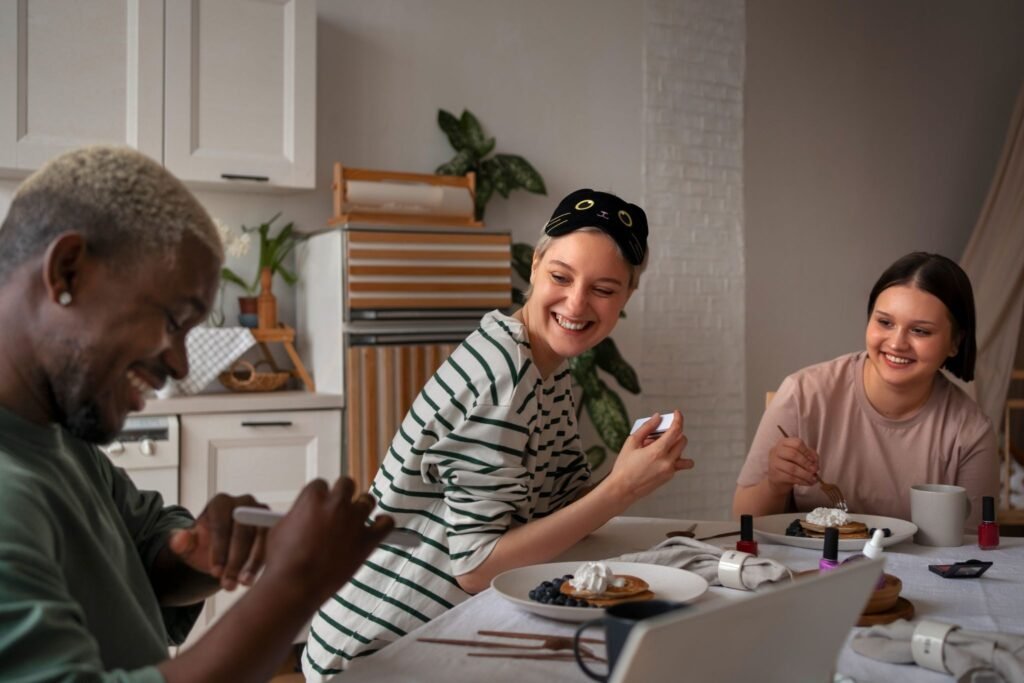
In my early years coaching clients through burnout, I kept running into an unexpected pattern. People would come to me armed with identical wellness checklists—ten-step morning routines, isolated meditation apps, and rigid dietary rules—yet they felt more disconnected and emotionally depleted than ever. In the Western wellness sphere, we are conditioned to believe that taking care of ourselves is a solitary, hyper-individualized endeavor. If we are stressed, anxious, or exhausted, the prevailing narrative insists that the fault lies in our lack of discipline or failure to optimize our morning schedule.
My background in psychology and integrative nutrition taught me early on that human physiology does not thrive in isolation. Working with people from diverse cultural traditions completely shattered my assumptions about what restoration actually looks like. I watched clients find profound nervous-system regulation not from spending forty-five minutes alone in quiet isolation, but from slow Sunday kitchen traditions, sitting in community tea ceremonies, or cooking heirloom recipes passed down through generations.
The environments, ancestral narratives, and community beliefs we grow up around quietly dictate what safety and restoration mean to our bodies. When we strip cultural context out of wellness, self-care easily turns into another exhausting personal chore. Learning to honor how our heritage and communal ties influence our minds is the first step toward genuine balance.
Cultural influences shape your self-care practices greatly, guiding your mental health and lifestyle choices. Different cultures prioritize various rituals, from communal activities to individual pursuits, uniquely impacting how you approach well-being. For instance, collectivist communities may foster support networks that enhance emotional health, while individualistic societies often emphasize personal responsibility. Understanding these dynamics can lead you to align your self-care with your true values and enrich your routines. There’s so much more to explore about this essential connection.
KEY TAKEAWAYS
- Cultural narratives dictate self-care definitions, influencing individuals’ acceptance and engagement in various wellness practices across different contexts.
- Traditional self-care rituals reflect cultural values, offering unique pathways to wellness that enhance individual and communal well-being.
- Community support plays a crucial role in collectivist cultures, fostering emotional health through shared experiences and resources that bolster self-care practices.
- Cultural identity shapes coping mechanisms and emotional expressions, empowering individuals to navigate mental health challenges aligned with their values.
- Mindful practices and cultural storytelling enhance the self-care experience, creating connections with food and community that contribute to overall mental well-being.
HOW CULTURE SHAPES OUR UNDERSTANDING OF SELF-CARE
As you navigate your self-care journey, it’s essential to recognize how deeply culture shapes your understanding of what self-care truly means. Your self-care definitions are often influenced by the cultural narratives you’ve absorbed throughout your life.
These narratives can dictate what activities, practices, or even emotions are considered acceptable or beneficial for your well-being. For instance, in some cultures, self-care might emphasize communal activities and relationships, while in others, individualistic pursuits may be prioritized.
This diversity can lead to conflicting feelings about what self-care looks like for you. It’s important to question these narratives and explore how they resonate with your values and needs.
In doing so, you can cultivate a more authentic, personalized approach to self-care that reflects your unique identity and desires for freedom. Understanding these influences helps you reclaim self-care as a practice that truly nurtures you.
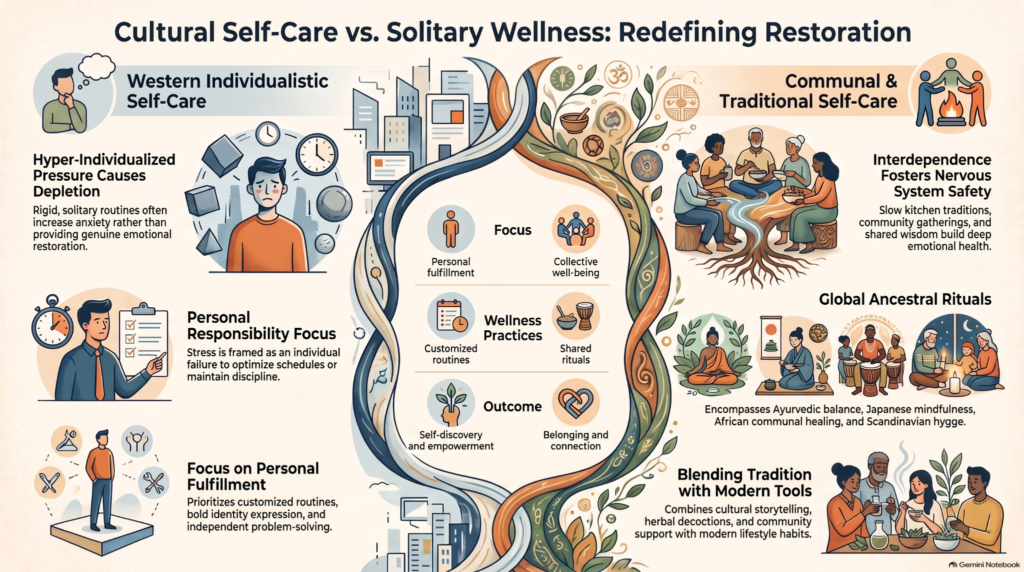
Exploring Traditional Self-Care Rituals Around the World
Effective self-care can improve health outcomes for chronic conditions, but implementing self-care is challenging. Individuals with multiple chronic conditions face even more self-care complexity than those with single chronic conditions, generating additional stressors. Although stressors have been found to negatively influence self-care in multiple chronic conditions, the role of culture in generating stressors has been neglected.
While exploring the rich tapestry of traditional self-care rituals around the world, you’ll discover a myriad of practices that reflect cultural values and beliefs.
Each ritual offers a unique pathway to wellness and connection, inviting you to embrace different perspectives on self-care.
- Ayurvedic practices emphasize balance and holistic health through personalized diets and herbal remedies.
- Japanese mindfulness promotes presence and tranquility through meditative tea ceremonies.
- African healing often integrates community and spirituality, using traditional herbs and communal gatherings to foster well-being.
- Scandinavian hygge encourages comfort and coziness, reminding you to cherish simple pleasures in daily life.
How Collectivist Cultures Embrace Community Support
In many collectivist cultures, community support serves as an essential pillar for self-care, creating a network that nurtures individual well-being through shared experiences.
You’ll find that community gatherings play a significant role in fostering connection and solidarity. These events aren’t just social; they’re crucial for emotional health. When you engage with others, you tap into a rich tapestry of shared wisdom and resources that can enhance your self-care practices.
Support networks in these cultures often provide a sense of belonging and reassurance, reminding you that you’re not alone in your struggles.
This interdependence encourages open dialogue about mental health and lifestyle choices, promoting a culture where seeking help is normalized. Embracing community support allows you to explore self-care through a lens of collective strength, paving the way for healing and growth that’s deeply rooted in the bonds you share with others.
How Individualism Influences Self-Care in Western Cultures
Culture has an undeniable impact on how people view and manage health. From the way families talk about emotions to the foods served at the dinner table, cultural influences shape both mental and physical well-being. Such influences start early and continue throughout life, guiding how people approach challenges, seek help, and define what it means to be healthy.
In Western cultures, the emphasis on individualism often means you feel a strong sense of personal responsibility for your own well-being.
This focus not only shapes how you approach self-care, but also encourages you to express your identity through wellness practices that resonate with you.
As you navigate this landscape, it’s essential to recognize how these cultural values impact your choices and perceptions of self-care.
Personal Responsibility Emphasis
As you navigate the landscape of self-care, it’s essential to recognize how deeply individualism shapes your approach in Western cultures. This emphasis on personal responsibility often intertwines with cultural expectations, pushing you to prioritize self-accountability in your wellness journey. It can feel empowering, yet it might also weigh heavily on your shoulders.
- You’re expected to actively manage your mental health.
- Your choices reflect your personal values and beliefs.
- There’s pressure to seek solutions independently.
- You may struggle with guilt if you don’t meet self-imposed standards.
Understanding this dynamic can help you balance the freedom of individualism with the support of community, fostering a healthier relationship with self-care.
Embrace your journey while acknowledging the collective influences around you.
Self-Expression Through Wellness
While you might not realize it, the way you express yourself through wellness is profoundly shaped by the individualistic values prevalent in Western cultures. You embrace wellness creativity as a form of self-identity, often prioritizing personal desires over communal expectations. This mindful expression allows you to explore various self-care practices that resonate deeply with your unique experiences.
| Aspect | Individualistic Approach | Communal Approach |
| Focus | Personal fulfillment | Collective well-being |
| Wellness Practices | Customized routines | Shared rituals |
| Expression Style | Bold, unique, and diverse | Harmonious and traditional |
| Outcome | Self-discovery and empowerment | Belonging and connection |
Recognizing these influences can enhance your self-care journey and foster a deeper understanding of your wellness choices.

BLENDING TRADITIONAL AND MODERN SELF-CARE PRACTICES
When I work with clients trying to redesign their lifestyles, there is often a palpable tension between the customs they inherited and the modern, high-pressure world they navigate every day. We frequently witness traditional healing philosophies—whether it is the seasonal grounding of Ayurveda, Indigenous kinship support, or Nordic sauna rituals—being packaged into trendy, commodified products stripped of their soul. On social feeds, ancestral wellness is often marketed as a quick aesthetic fix rather than a living philosophy.
In my own life, finding grounded balance came from learning to honor authentic tradition alongside realistic, science-backed habits. When I am in my kitchen brewing a herbal decoction using whole roots, dried jujubes, or hawthorn berries, or tending to my balcony garden after a hectic coaching schedule, I am not just ticking off an isolated wellness box. I am engaging in an intentional ritual that unites sensory presence, nourishment, and cultural heritage.
Bridging these realms doesn’t require adopting rigid dogmas or borrowing practices that don’t belong to you. Instead, it is about giving yourself permission to step away from clinical, individualistic pressure and asking: What grounded practices bring me true connection, emotional safety, and communal warmth? When you intentionally blend cultural wisdom with modern lifestyle tools, your self-care shifts from a burdensome obligation into a sustainable, deeply rooted way of living.
Blending traditional and modern self-care practices can create a holistic approach that resonates with your unique needs and lifestyle. By integrating various methodologies, you can enhance your mental health and overall well-being.
Consider the following:
- Herbal remedies can complement modern therapies, offering natural alternatives for stress relief.
- Mindfulness practices, rooted in cultural rituals, help you stay present and grounded.
- Community gatherings foster connection and support, essential for emotional wellness.
- Self-reflection techniques allow you to explore your feelings and beliefs, guiding your journey toward spiritual wellness.
Combining meaningful cultural traditions with modern wellness techniques can help you build healthy lifestyle habits that support emotional balance, mental well-being, and a more fulfilling daily routine.
This fusion of practices empowers you to take charge of your self-care, embracing what feels right. It’s about finding balance and nurturing your spirit in a way that resonates with you.
Through these blended approaches, you pave the way for a fulfilling lifestyle that honors both tradition and innovation.
How Cultural Identity Affects Our Mental Health
Cultural, spiritual and religious beliefs and practices can impact on health behaviours and practices, health outcomes, use of and access to healthcare, and decision-making regarding medical treatment.
Your cultural identity plays a significant role in shaping your mental health, influencing how you perceive wellbeing and cope with challenges.
Cultural norms often dictate acceptable expressions of emotions and stress, which can either support or hinder your mental resilience.
Understanding these dynamics can empower you to navigate your mental health more effectively, aligning your self-care practices with your unique cultural background.
Cultural Norms and Mental Wellbeing
As you navigate the complexities of your cultural identity, it’s essential to recognize how deeply cultural norms shape your mental wellbeing. Your experiences, influenced by these norms, can either support or hinder your mental health.
Understanding this connection allows you to challenge cultural stigma around mental health and embrace various healing practices.
- Acknowledge the impact of cultural beliefs on your emotional state.
- Seek out supportive communities that align with your values.
- Explore healing practices unique to your heritage.
- Challenge the stigma by openly discussing mental health within your culture.
Identity and Coping Mechanisms
While steering through the intricacies of cultural identity, individuals often find that their coping mechanisms are greatly influenced by their heritage.
Your identity formation shapes how you perceive challenges and seek solutions. If your background emphasizes community support, you might lean on family and friends as coping strategies during tough times. Conversely, cultures valuing individualism might encourage self-reliance, leading you to tackle issues alone. Recognizing the income inequality impact on self care behaviors can help explain why access to wellness resources and opportunities to manage stress may differ across socioeconomic groups.
Understanding these nuances is essential, as they impact your mental health. By recognizing how your cultural context influences your approach to stress, you can empower yourself to adapt your strategies.
Embracing diverse coping methods rooted in your identity can foster resilience, ultimately guiding you toward healthier lifestyle decisions and greater emotional freedom.
Practical Tips for Incorporating Cultural Insights Into Your Self-Care Routine
Incorporating cultural insights into your self-care routine can enrich your practices and deepen your understanding of well-being. By embracing your heritage and the wisdom of others, you’ll discover new ways to nurture your mental health. Choosing a meaningful self care activity, such as practicing a traditional tea ceremony, preparing a cultural recipe, or sharing stories with loved ones, can make your self-care routine more personal and emotionally fulfilling.
Here are some practical tips to get you started:
- Practice mindful eating: Explore traditional recipes that reflect your culture’s values, focusing on nourishment and connection to food.
- Engage in cultural storytelling: Share stories from your background that inspire you, fostering connections with others and reinforcing your identity.
- Ritualize self-care: Integrate meaningful cultural rituals or practices, like meditation or tea ceremonies, that resonate with your spirit.
- Celebrate diversity: Explore and learn from other cultures’ self-care practices, broadening your perspective and enriching your routine.
RELATED STUDIES ABOUT CULTURAL INFLUENCES ON SELF CARE PRACTICES
Incorporating cultural influences into your self-care routine can truly enrich your mental health and lifestyle choices. By blending traditional practices with modern insights, you can find what resonates with you. Remember, it’s not just about putting on a brave face; it’s about nurturing your well-being holistically. Embrace the diverse tapestry of self-care, and don’t hesitate to seek community support. After all, a problem shared is a problem halved, and together, we can thrive.
Culturally sensitive self-management practice: a mature biopsychosocial model to improve outcomes for people living with chronic musculoskeletal conditions
This conceptual review examines the limitations of conventional biopsychosocial practice in musculoskeletal physiotherapy, arguing for an expanded, “mature” biopsychosocial framework that integrates culture as an overarching determinant rather than an optional social add-on, using digital self-management tools as an operational exemplar.
Conceptual Framework & Rationale
- Global Burden of Musculoskeletal (MSK) Conditions: Chronic MSK conditions—such as persistent low back pain—represent the leading global cause of physical disability, functional impairment, and healthcare utilization. Because ongoing demand outstrips clinical capacity, healthcare guidelines mandate shifting away from episodic, clinician-dependent passive care toward collaborative, person-centered supported self-management.
- Critique of the Conventional Biopsychosocial Model:
- Originally introduced by George Engel in 1977 to counteract biomedical reductionism via general systems theory, the model conceptualized interconnected biological, psychological, and social strata.
- In current physiotherapy practice, the model is often operationalized narrowly: clinicians consistently prioritize biological and psychological dimensions while marginalizing or treating the “social” and “cultural” components as optional, secondary factors.
- Redefining Culture Beyond Ethnicity:
- Culture is frequently conflated with static racial or ethnic categories. The authors define culture dynamically as the shared values, behaviors, traditions, and lenses through which patients, families, and clinicians interpret health, bodily symptoms, disability, and quality of life.
- Culture cannot be isolated within the social domain; it operates as an overarching, permeating construct shaping biological responses, cognitive illness beliefs, emotional coping styles, and interpersonal expectations.
- The Equity Imperative in Diversifying Populations: Demographic shifts (e.g., a 4.3% increase in Black, Asian, and Minority Ethnic populations in the UK) require healthcare systems to dismantle systemic bias and address cultural barriers to rehabilitation. Without cultural competence, cultural humility, and cultural safety, standard self-management approaches risk alienating ethnoculturally diverse patients and perpetuating existing health inequities.
Core Architecture of the “Mature” Biopsychosocial Model
The authors propose a restructured conceptual framework that positions culture as an all-encompassing envelope enclosing clinical self-management practice:
- Therapeutic Discourse Alignment: Rather than imposing standardized educational scripts, clinicians must align five core internal patient elements within the patient’s cultural context:
- Needs: Validating lived pain experiences and movement safety within domestic and occupational constraints.
- Expectations: Exploring and reframing initial desires for hands-on, expert-led passive treatments into collaborative, relational partnerships.
- Beliefs: Respectfully eliciting and addressing cultural models of pain etiology (e.g., fears that movement signifies structural damage or tissue destruction).
- Knowledge: Developing shared understanding of chronic pain neurophysiology using accessible, culturally tailored language, visual aids, and teach-back strategies.
- Skills: Incrementally introducing practical self-management behaviors (such as activity pacing, load monitoring, and home exercise micro-dosing).
- The Person-Centered Collaborative Core: Clinical assessment and intervention move away from professional-driven mandates (“what’s the matter with you?”) toward patient-defined priorities (“what matters to you?”). Care operates as a collaborative triad involving the patient, the clinician, and—with consent—family members or significant others.
- Holistic Life Dimensions: Meaningful self-management targets are embedded across four functional spheres:
- Social Functioning: Addressing family roles, caregiving duties, and domestic responsibilities.
- Economic Functioning: Navigating work demands, financial strain, and transportation barriers.
- Emotional Functioning: Normalizing shame, fear-avoidance, and frustration surrounding functional limitations.
- Spiritual Functioning: Integrating religious commitments, community worship (e.g., mosque or church attendance), and prayer rituals into movement recommendations.
Exemplar: Digital and Blended Self-Management Support
The authors evaluate technology-supported care (virtual consultations, apps, wearable devices) to illustrate how the mature model guides clinical implementation:
- Opportunities: Digital platforms offer cost-effective, scalable self-management support, flexible remote monitoring, and broader geographic access for underserved populations.
- Risks of Cultural Insensitivity:
- Digital interventions frequently reflect Eurocentric, individualistic assumptions that clash with collectivistic values, family-centered decision-making, or cultural preferences for relational, hands-on care.
- Language barriers, low digital health literacy, and unfamiliar user interfaces can compound systemic exclusion.
- Culturally Sensitive Digital Adaptation: Developing effective digital tools requires co-designing platforms with ethnoculturally diverse end-users, providing multilingual support, accommodating varied health literacy levels, and offering flexible, blended pathways (combining remote digital tracking with face-to-face contact).
Practice Recommendations & Implementation Strategies
- Reflexivity and Cultural Humility: Clinicians must move beyond passive cultural awareness to practice active reflexivity, acknowledging power imbalances, recognizing their own cultural assumptions, and creating an “ethical space” for open dialogue.
- Embedding Culture in Routine Clinical Reasoning: Rather than treating cultural evaluation as an administrative checklist or time-consuming task, clinicians should integrate cultural inquiry into standard history-taking, goal formulation, and exercise prescription.
- Engaging Family and Social Support Networks: Recognizing the central role of family structures in collectivist communities, clinicians should invite significant others into care planning to establish realistic task distribution and shared accountability.
- Systemic Workforce and Curricular Reform: Healthcare institutions and university programs must incorporate formal, integrated cultural competence training into undergraduate physiotherapy curricula and continuing professional development frameworks.
Future Research Directions & Structural Barriers
- Healthcare System Realities: The widespread implementation of culturally responsive care faces structural challenges, including severe workforce shortages, compressed consultation windows, and productivity-driven service metrics. Research must evaluate how culturally sensitive frameworks can function effectively within resource-constrained environments.
- Empirical Validation: Future studies need to move beyond conceptual descriptions to test the operational validity of the mature biopsychosocial model using patient-reported outcome measures (PROMs), patient-reported experience measures (PREMs), treatment adherence indices, and health equity metrics across diverse clinical cohorts.
| REFERENCE: Nathan Hutting, Janet Deane, Dana Maki, Lisa Roberts, Culturally sensitive self-management practice: a mature biopsychosocial model to improve outcomes for people living with chronic musculoskeletal conditions, Musculoskeletal Science and Practice, Volume 84, 2026, 103584, ISSN 2468-7812, https://doi.org/10.1016/j.msksp.2026.103584. (https://www.sciencedirect.com/science/article/pii/S2468781226001001) |
Toward culturally responsive and trauma-informed pediatric disaster care: A global agenda for practice, preparedness, and policy
This narrative review synthesizes literature across pediatric disaster preparedness, cultural responsiveness, and trauma-informed care to formulate an actionable conceptual agenda and operational framework that addresses the unique developmental, familial, and sociocultural needs of children across the disaster continuum.
Conceptual Framework & Rationale
- Disasters as Social Phenomena: Disasters are social events shaped by pre-existing inequities rather than purely “natural” disruptions. Pediatric populations face distinct physical, anatomical, cognitive, and social vulnerabilities that make them disproportionately susceptible during crises. However, following Peek’s foundational scholarship, children must be viewed not only as vulnerable victims but also as individuals possessing capacities for resilience.
- The Adult-Centric and Biomedical Gap: Existing disaster preparedness and management frameworks remain predominantly adult-centric and focused on clinical surge capacity, rapid triage, physical evacuation, and basic clinical logistics. Standard biomedical models often fail to account for how culture shapes family dynamics, child-rearing practices, communication, and emotional processing.
- Systemic Inequities and Marginalized Youth: Children from racial and ethnic minority groups, migrant and refugee families, Indigenous communities, and those with disabilities or medical complexities face heightened systemic barriers. Without intentionally embedding cultural humility and trauma-informed systems into emergency operations, disaster responses risk alienating families, inducing medical errors, and exacerbating trauma.
- Review Objectives:
- Synthesize cross-disciplinary evidence regarding cultural, familial, developmental, and psychosocial determinants of pediatric disaster experiences.
- Identify structural gaps in contemporary pediatric disaster frameworks.
- Formulate an operational agenda across practice, education, policy, and research across preparedness, response, and recovery.
Methodology & Review Design
- Narrative Synthesis Approach: Conducted as a narrative review to achieve conceptual integration and cross-disciplinary framework development rather than a quantitative meta-analysis of single-intervention efficacy.
- Search Strategy & Scope: Searched PubMed and Scopus for English-language peer-reviewed literature, consensus statements, clinical guidelines, and international policy documents published between January 2010 and March 2026, supplemented by seminal foundational publications prior to 2010.
- Key Search Term Clusters: Combinations encompassing pediatric disaster preparedness, trauma-informed care, cultural responsiveness, cultural humility, family-centered care, disaster communication, psychological first aid, health equity, and pediatric disaster response.
- Thematic Organization: Literature was mapped iteratively across the disaster continuum (preparedness, response, and recovery) and organized into five core operational domains:
- Family structures and decision-making.
- Communication and language access.
- Child-rearing and caregiving norms.
- Spiritual and secular coping systems.
- Trauma-informed pediatric care.
Core Findings Across the Five Operational Domains
- Family Structures & Collective Decision-Making:
- Collective Authority: Conventional emergency protocols assume an individualistic single-decision-maker household model. In many cultures, critical protective decisions (such as evacuation) involve collective deliberation among extended kin, community elders, or religious leaders.
- Reunification Over Evacuation: Simulation and empirical disaster data demonstrate that caregivers prioritize family reunification and calming children over immediate departure, often delaying exit until all relatives are accounted for.
- Diverse Caregiving Configurations: Emergency protocols must account for kinship caregivers, foster parents, legal guardians, and institutional care settings to ensure continuity of care, legal consent, and timely family tracking.
- Communication, Language Justice, & Disaster Linguicism:
- Mitigating Language Inequality: Inaccessible language creates “disaster linguicism,” excluding non-dominant language communities from life-saving alerts and shelter services. Relying on bilingual children or family members to interpret introduces diagnostic inaccuracy, elevates acute distress, and distorts medical consent. Qualified professional interpreters and translated materials are essential.
- Developmentally Adapted Communication: Effective crisis communication requires plain language, visual pictograms, interactive digital resources, and augmentative and alternative communication (AAC) devices for children with disabilities, sensory deficits, or limited literacy.
- Child-Rearing Norms & Cultural Humility:
- Culturally Mediated Distress Behaviors: Behaviors such as avoiding eye contact, deferring questions to adults, or remaining silent may reflect cultural respect for authority rather than affective withdrawal, catatonia, or developmental delay.
- Parenting Styles Under Stress: Parenting practices perceived by Western clinicians as overly strict or disengaged often represent protective adaptations. Clinicians must adopt cultural humility—balancing curiosity and self-reflection with their ethical duty to protect the child from direct harm.
- Spirituality & Secular Coping Systems:
- Faith as an Emotional Anchor: Prayer, spiritual storytelling, and religious rituals provide structural continuity and meaning during crisis recovery. Faith leaders often function as vital, trusted public health messengers.
- Avoiding Assumptions: Responders must assess individual family preferences rather than presuming religious adherence, ensuring equitable access to secular coping networks, including school groups, sports, and peer support.
- Trauma-Informed Pediatric Care:
- Guiding Principles: Grounded in physical safety, emotional predictability, trustworthiness, empowerment, and cultural responsiveness.
- Minimizing Retraumatization: Protocols should prioritize keeping children with their primary caregivers, providing honest age-appropriate explanations, minimizing sensory overstimulation, and offering micro-choices (e.g., choosing which arm for a blood pressure cuff) to restore perceived agency. Expressive modalities (drawing, therapeutic play, storytelling) and Psychological First Aid (safety, calming, connectedness, self-efficacy, and hope) should be systematically integrated.
- Cumulative and Historical Trauma: Response systems must recognize that disaster-related stress interacts with historical oppression, forced displacement, and structural racism, necessitating long-term mental health continuity beyond the immediate emergency phase.
Implementation Framework & System Recommendations
- Clinical Practice & Health Systems: Disaster management plans must institutionalize rapid family reunification protocols, real-time qualified medical interpretation, and pediatric behavioral health triage to identify children experiencing acute distress.
- Education & Multi-Disciplinary Simulation: Disaster drills must evolve beyond standard adult physical trauma or mass casualty scenarios. Exercises should incorporate pediatric simulations involving non-English-speaking families, children with neurodevelopmental disabilities, unaccompanied minors, and complex behavioral crises.
- Workforce Integration: Healthcare systems should deploy interdisciplinary teams that incorporate certified child life specialists, pediatric social workers, behavioral health clinicians, and community cultural mediators into primary disaster response networks.
- Policy & Global Governance: International standards—including the Sendai Framework for Disaster Risk Reduction, WHO Health Emergency and Disaster Risk Management Framework, Sphere Handbook standards, and UNICEF child protection mandates—must incorporate specific, auditable metrics governing cultural responsiveness, language accessibility, and pediatric trauma-informed care.
Critical Limitations & Future Research Agenda
- Methodological Scope: Narrative synthesis design omitted quantitative meta-analytic pooling, formal risk-of-bias grading, and systematic quality appraisal tools.
- Linguistic Restriction: Limiting inclusion to English-language publications may under-represent vital community-based disaster scholarship from low- and middle-income countries disproportionately impacted by humanitarian crises.
- Evidence Base Disparities: While clinical triage and psychological first aid possess substantial literature, empirical investigations assessing spirituality, cultural coping, cumulative disaster trauma, and operational implementation metrics in pediatric populations remain sparse.
- Future Research Imperatives: Validation of standardized pediatric disaster cultural competencies; implementation science tracking organizational barriers; evaluation of multilingual risk communication; and comparative international trials evaluating culturally adapted disaster drills.
| REFERENCE: Jamla Rizek, Toward culturally responsive and trauma-informed pediatric disaster care: A global agenda for practice, preparedness, and policy, Progress in Disaster Science, Volume 31, 2026, 100672, ISSN 2590-0617, https://doi.org/10.1016/j.pdisas.2026.100672. (https://www.sciencedirect.com/science/article/pii/S2590061726001584) |
‘I understand the importance of cultural safety but do not really know enough about how to implement it’: A qualitative exploration of health practitioners’ knowledge, attitudes and practices of providing culturally safe care for Aboriginal and Torres Strait Islander infants and families in neonatal intensive care units
This qualitative study examines the knowledge, attitudes, perceived roles, and practical barriers experienced by neonatal healthcare practitioners delivering culturally safe care to Aboriginal and Torres Strait Islander infants and families across tertiary Neonatal Intensive Care Units (NICUs) in New South Wales, Australia.
Conceptual Framework & Rationale
- Inequities in Neonatal Admissions: Aboriginal and Torres Strait Islander infants experience higher rates of NICU admission than non-Indigenous infants (24.4% vs. 16.3%). Because tertiary paediatric intensive care facilities are concentrated in major urban centres, large proportions of First Nations families are forced to travel “off Country” for extended periods to receive critical neonatal care, disrupting cultural networks, family kinship responsibilities, and emotional support systems.
- The “Policy-to-Practice” Gap in Cultural Safety: While Aboriginal and Torres Strait Islander peak health bodies (e.g., NACCHO, CATSINaM, AIDA, IAHA) and registration standards (Ahpra) have mandated cultural safety within national healthcare laws and professional codes of conduct, substantial gaps persist between top-down regulatory policy and clinical bed-side execution. Prior literature demonstrates that First Nations parents in Australian NICUs frequently encounter interpersonal racism, poor clinical communication, medical mistrust, and systemic exclusion from parent-led infant care.
- Theoretical Foundation of Cultural Safety: Conceptualised originally by Māori nurse Irihapeti Ramsden, cultural safety moves beyond passive “cultural awareness” or checklist-based “cultural competency”. It directly addresses systemic power differentials, institutional colonisation, white privilege, and historical trauma within healthcare systems. Crucially, care is defined as culturally safe solely by Aboriginal and Torres Strait Islander recipients and communities receiving that care, rather than by the service providers delivering it.
- Core Research Objective: To qualitatively explore healthcare practitioners’ perspectives on their roles, clinical reflections, knowledge translation gaps, and systemic barriers regarding culturally safe care within tertiary neonatal intensive care units.
Methodology & Governance Architecture
- Indigenous Research Methodologies & Governance:
- The study was led by an Aboriginal PhD candidate and Gamilaroi neonatal registered nurse, supported by a senior Wiradjuri health researcher and non-Indigenous collaborators experienced in First Nations health scholarship.
- Formal ethical oversight and decision-making were governed by the Winanga-li Aboriginal Governance Committee, established to ensure adherence to AH&MRC NSW ethical guidelines and NHMRC ethical conduct standards for Indigenous research.
- Survey instruments and qualitative analytic templates were refined and validated through collaborative yarning with an expert panel of Aboriginal and Torres Strait Islander practitioners and community researchers.
- Design & Setting: An online, cross-sectional, descriptive qualitative survey conducted across two major tertiary referral paediatric centres in New South Wales: John Hunter Children’s Hospital (Newcastle) and Westmead Children’s Hospital Grace Unit (Sydney).
- Participant Cohort:
- Recruited registered nurses, clinical nurse specialists, nurse practitioners, medical doctors (interns, registrars, fellows, consultants), and allied health clinicians (speech pathologists, physiotherapists, social workers) between April and October 2024.
- A total of 164 practitioners completed Open-Ended Question 1 (defining their role in culturally safe care), and 103 completed Open-Ended Question 2 (reflections and practical barriers).
- Demographic Profile: 92.1% identified as female; 75.0% were nursing personnel; 15.9% were medical doctors; 7.9% were allied health staff; and 4.9% identified as Aboriginal (no participants identified as Torres Strait Islander).
- Qualitative Analytical Protocol: Free-text qualitative responses were managed in NVivo 14 and analyzed using hierarchical template analysis. Initial deductive frameworks were refined through inductive data-driven coding and iterative collaborative yarning with the Winanga-li Governance Committee to finalize consensus themes.
Key Qualitative Findings
Analysis generated five primary interrelated themes encompassing systemic, educational, and interpersonal dimensions of neonatal practice:
- Theme 1: Awareness of Cultural Safety and Defined Roles:
- Clinicians widely acknowledged that delivering culturally safe care is an essential, non-negotiable professional obligation within the NICU.
- Practitioners emphasized core relational skills—active listening, empathetic advocacy, approachability, and transparency—as central to building rapport with First Nations families.
- Participants recognized the necessity of ongoing personal self-reflection, identifying the need to examine unconscious biases, white privilege, and the historical legacy of colonisation on institutional healthcare distrust.
- The Equality vs. Equity Misconception: A notable subset of clinicians maintained the view that “treating every patient equally” constituted cultural safety, conflating universal equality with tailored equity and failing to address distinct cultural needs. Others treated cultural care as an outsourced task, assuming responsibility belonged entirely to Aboriginal Liaison Officers (ALOs) rather than remaining a shared bedside duty.
- Theme 2: Lack of Confidence, Relational Anxiety, and “Pākehā Paralysis”:
- Despite positive motivations, practitioners reported profound uncertainty, lack of clinical confidence, and hesitation when engaging with Aboriginal and Torres Strait Islander parents.
- Non-Indigenous staff described feeling “scared” or “daunted” by interactions due to fear of making cultural missteps, causing offense, appearing insensitive, or operating through a privileged lens.
- This dynamic closely reflects “Pākehā paralysis”—a phenomenon wherein non-Indigenous professionals become immobilised by guilt, fear, and systemic institutional barriers, inadvertently resulting in clinical avoidance of cultural engagement.
- Staff reported acute discomfort asking parents about Indigenous identification, fearing it might appear discriminatory or based on physical stereotypes.
- Theme 3: Truth Telling: Culturally Unsafe Realities in Practice:
- Participants openly acknowledged that culturally safe care was often absent, deprioritized, or poorly implemented within high-acuity neonatal environments.
- Under heavy workloads and high medical acuity, cultural considerations were routinely set aside in favor of immediate physiological stabilization, delaying supportive communication until later stages of hospitalization.
- Practitioners reported witnessing culturally unsafe incidents, casual racism, non-inclusive language, and harmful stereotypes (such as team comments assuming Indigenous parents “did not want to communicate”).
- Staff reported systemic hesitation to challenge or call out culturally unsafe behavior among peers due to hierarchy constraints, lack of advocacy training, and absent institutional reporting mechanisms.
- Theme 4: Demand for Experiential, Face-to-Face Education Over Online Modules:
- Mandatory generic online modules (e.g., NSW Health’s “Respecting the Difference”) were viewed as superficial, low-yield check-box exercises lacking clinical relevance to the acute NICU environment.
- Clinicians advocated for interactive, face-to-face experiential learning, including clinical yarning workshops, simulated case scenarios, Schwartz rounds, and direct teaching led by local Aboriginal and Torres Strait Islander community members and former NICU families.
- Staff called for immersive, on-Country learning experiences to better understand how connection to land, extended kinship structures, and Sorry Business intersect with neonatal care.
- Theme 5: Structural Gaps and the Need for Aboriginal Leadership:
- Policy and Protocol Deficits: Clinicians reported an absence of NICU-specific clinical guidelines outlining operational workflows for navigating cultural ceremonies, kinship visitation restrictions, and extended leave for Sorry Business.
- Underutilized Support Services: While Aboriginal Liaison Officers were viewed as essential resources, several staff noted that ALOs were under-resourced, not embedded directly within neonatal units, or that clinical workflows lacked structured referral mechanisms.
- Centering First Nations Leadership: Participants emphasized that sustainable institutional change requires embedding identified Aboriginal and Torres Strait Islander leadership roles within neonatal clinical management to lead service design, enforce accountability, and conduct cultural safety clinical audits.
Practice, Health System, & Policy Implications
- Moving Beyond Passive E-Learning to Experiential Training: Health service networks must replace standard passive online modules with recurring, funded, face-to-face experiential training (such as clinical yarning and reflective simulation) co-delivered with local Aboriginal communities.
- Establishing Neonatal-Specific Cultural Practice Guidelines: NICU leadership must formulate flexible, culturally responsive clinical policies that accommodate extended kinship structures, bedside cultural practices, and travel logistics for families returning to Country during critical admissions.
- Dismantling Pākehā Paralysis Through Institutional Accountability: Health services cannot place sole responsibility for cultural safety on individual bedside clinicians. Overcoming relational anxiety requires psychological safety, supportive peer debriefing spaces, and transparent clinical audit mechanisms that evaluate cultural safety as a core clinical quality metric.
- Workforce Investment and Leadership Embedding: State health departments must fund dedicated, embedded Aboriginal Liaison Officers and Aboriginal Health Workers within tertiary intensive care nurseries, while actively promoting First Nations clinical professionals into executive healthcare leadership positions.
Study Limitations
- Geographic & Jurisdictional Boundaries: Conducted across two tertiary paediatric hospital units within New South Wales, meaning findings may not fully represent rural community nurseries, smaller regional special care facilities, or interstate jurisdictions across Australia.
- Self-Selection Bias: Participation was voluntary; respondents may have possessed higher baseline interest, personal motivation, or concern regarding cultural safety compared to non-participating peers.
- Survey Logistics & Workplace Constraints: High NICU patient acuity, clinical workload surges, and varying digital access during shifts may have prevented more heavily burdened clinicians from completing the qualitative survey.
| REFERENCE: Jessica Bennett, Kade Booth, Jamie Bryant, Michelle Kennedy, ‘I understand the importance of cultural safety but do not really know enough about how to implement it’: A qualitative exploration of health practitioners’ knowledge, attitudes and practices of providing culturally safe care for Aboriginal and Torres Strait Islander infants and families in neonatal intensive care units, First Nations Health and Wellbeing – The Lowitja Journal, Volume 4, 2026, 100120, ISSN 2949-8406, https://doi.org/10.1016/j.fnhli.2026.100120. (https://www.sciencedirect.com/science/article/pii/S2949840626000057) |
CONCLUSION
If my work in lifestyle strategy and mindfulness has reinforced any single truth, it is that sustainable well-being is never one-size-fits-all. True self-care cannot be sustained if it constantly fights against who you are, the communities you love, or the environment you live in. Too many individuals walk away from standard wellness programs carrying unnecessary shame simply because an imported, rigid regime felt artificial or emotionally sterile in their everyday reality.
Your rituals for rest, emotional expression, and physical nourishment should feel like coming home to yourself. That comfort begins with cultural humility and self-awareness—looking both inward at your core values and outward at the collective relationships that sustain you. Whether your deepest restorative moments stem from sitting in shared silence around a dining table with family, sharing stories across generations, or taking a brisk solitary walk outside, grant yourself the grace to build practices that reflect your heritage and lifestyle demands.
Healing and resilience are rarely solitary journeys; we are wired for belonging, shared empathy, and mutual support. Release the pressure to perform wellness for anyone else’s approval, honor the roots that shape your perspective, and allow your self-care practices to nourish your mental health on terms that are authentically, sustainably your own.